
Choosing a Roofing Repair Company: Expert Guide
Finding the right roofing repair company can mean the difference between a quick fix that lasts for years and a temporary patch that leads to costly future problems. Whether you're dealing with an emergency leak, storm damage, or routine maintenance needs, the contractor you choose will directly impact the quality, durability, and cost-effectiveness of your roof repair. With so many options available in the Fort Worth area and beyond, property owners need a clear framework for evaluating contractors based on expertise, transparency, and accountability. This guide walks you through the essential factors that separate exceptional roofing repair companies from those that cut corners, helping you make an informed decision that protects your investment.
What Defines a Professional Roofing Repair Company
A professional roofing repair company operates with a clear commitment to quality, safety, and customer transparency. These organizations maintain proper licensing and insurance coverage, employ trained crews, and follow industry standards established by organizations like ARCO’s accreditation guidelines. The distinction between a professional operation and a fly-by-night contractor becomes evident in how they approach every aspect of the repair process.
Professional companies invest in ongoing training for their teams, ensuring that technicians stay current with evolving roofing materials, installation techniques, and building codes. They understand that roofing repair requires more than basic handyman skills. It demands specialized knowledge of different roofing systems, proper flashing installation, moisture management, and structural integrity.
In-House Crews Versus Subcontractor Networks
The crew composition represents one of the most significant differentiators among roofing repair companies. Some contractors maintain in-house teams of employees who work exclusively for their organization, while others operate as general contractors who hire subcontractors for each project.
In-house crews offer several advantages:
- Consistent quality control across all projects
- Direct accountability to the roofing repair company
- Standardized training and safety protocols
- Better communication between office staff and field workers
- Unified company culture and work standards
When a roofing repair company uses subcontractors, quality can vary dramatically from one project to another. The company has less control over who shows up at your property, how they perform their work, and whether they follow the company's stated standards. For property owners seeking reliable, predictable results, choosing a contractor with dedicated in-house crews reduces variables and ensures accountability.
Documentation and Communication Standards
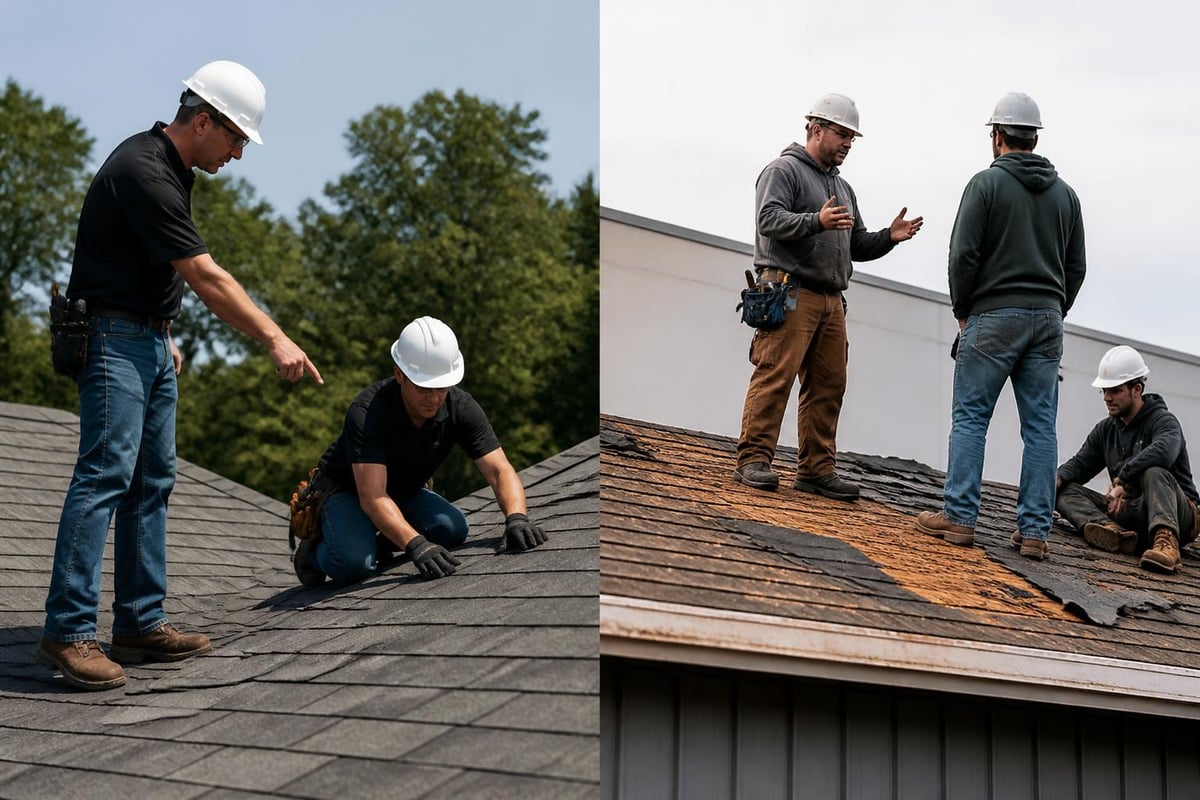
Professional roofing repair companies prioritize thorough documentation at every project stage. This includes detailed inspection reports with photographs, itemized scopes of work, material specifications, and transparent pricing breakdowns. Documentation serves multiple purposes: it protects both the property owner and the contractor, provides clarity for insurance claims, and establishes clear expectations.
Communication standards separate exceptional contractors from mediocre ones. A quality roofing repair company assigns a dedicated point of contact, provides regular project updates, responds promptly to questions, and explains technical issues in accessible language. They understand that most property owners aren't roofing experts and take time to educate clients about their options, the reasoning behind recommendations, and the expected outcomes of different repair approaches.
Key Qualifications to Verify Before Hiring
Before engaging any roofing repair company, property owners should verify specific qualifications that indicate professionalism and capability. These credentials provide objective measures of a contractor's legitimacy and commitment to industry standards.
| Qualification Type | What to Verify | Why It Matters |
|---|---|---|
| Licensing | Current state/local licenses | Ensures legal compliance and basic competency |
| Insurance | General liability and workers' comp | Protects you from financial liability |
| Certifications | Manufacturer certifications | Indicates specialized training and material knowledge |
| References | Recent project references | Provides real-world performance evidence |
| Warranty Terms | Labor and material coverage | Demonstrates confidence in workmanship |
Insurance Coverage Requirements
A legitimate roofing repair company carries both general liability insurance and workers' compensation coverage. General liability protects property owners if the contractor damages your property during repairs. Workers' compensation covers medical expenses and lost wages if a crew member is injured on your property.
Always request certificates of insurance directly from the contractor's insurance carrier, not just a photocopy of a certificate. Insurance status can change, and some contractors let policies lapse between projects. Verify that coverage will be active during your scheduled repair dates and that policy limits are adequate for the scope of work.
Manufacturer Certifications and Training
Leading roofing material manufacturers offer certification programs for contractors who meet specific training and performance standards. These certifications indicate that the roofing repair company has invested in specialized knowledge about particular products and installation techniques. Certified contractors often gain access to extended warranties that provide additional protection for property owners.
When evaluating a contractor's certifications, consider:
- How many manufacturers have certified the company
- How recently they completed certification training
- Whether certifications align with the materials recommended for your project
- What enhanced warranty options become available through certified installation
Evaluating Emergency Response Capabilities
Not all roofing repairs can wait for scheduled appointments. Severe weather, sudden leaks, and unexpected damage require immediate attention to prevent water intrusion and secondary damage to building interiors. A roofing repair company's emergency response capabilities reveal much about their operational structure and customer commitment.
For properties in storm-prone areas like Fort Worth, where hail damage and high winds create frequent roofing emergencies, having access to emergency roof repair services with same-day response can prevent thousands of dollars in interior damage. The best contractors maintain on-call crews, stock emergency materials, and have systems in place to triage urgent requests.
Same-Day Response Infrastructure
Companies offering genuine same-day emergency service must maintain specific operational capabilities. They need sufficient crew capacity to handle unexpected calls without abandoning scheduled projects. They stock emergency tarping materials, temporary sealants, and common repair components. They have dispatch systems that can mobilize teams quickly and communication protocols that keep property owners informed.
Ask potential contractors about their average emergency response time, their availability outside normal business hours, and whether they charge premium rates for emergency calls. Understanding these factors upfront prevents surprises when urgent situations arise.
The Importance of Detailed Inspection Processes
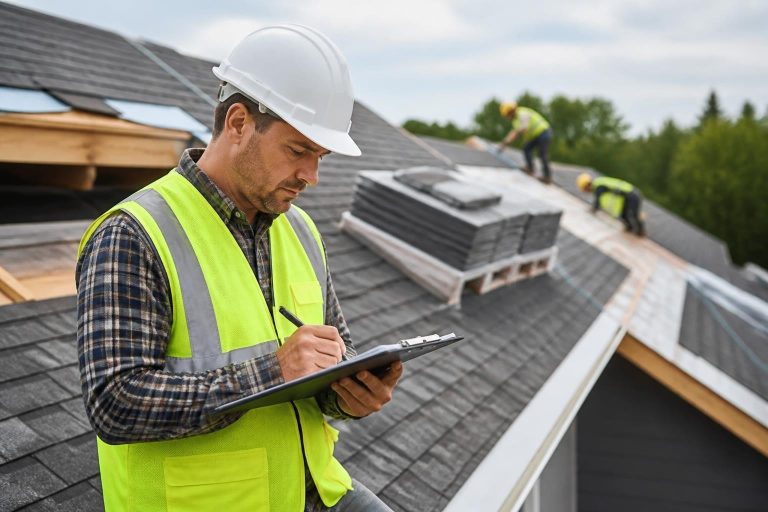
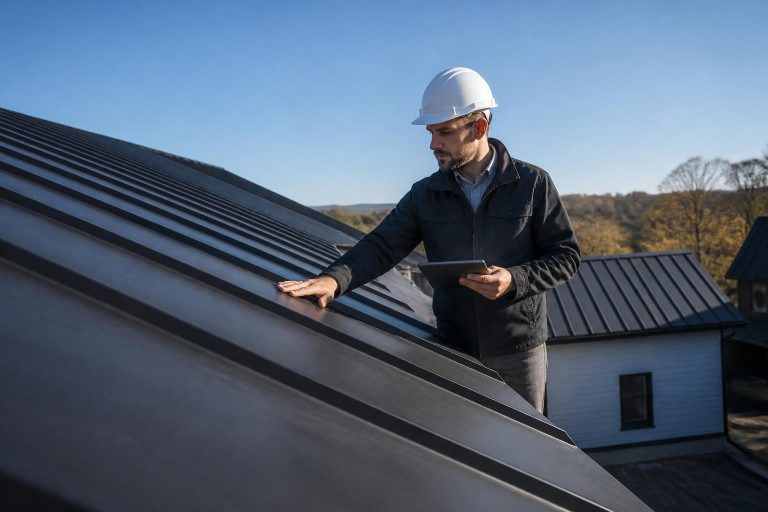
Quality roofing repairs begin with thorough inspections that identify not just obvious damage but underlying issues that could compromise repair effectiveness. A professional roofing repair company conducts systematic inspections following protocols like those outlined in ASTM D7186 standards, documenting conditions and providing property owners with comprehensive assessment reports.
A complete roof inspection should evaluate:
- Surface condition and visible damage
- Flashing integrity around penetrations and transitions
- Drainage system functionality
- Underlayment condition (where accessible)
- Structural elements for sagging or deterioration
- Interior signs of water intrusion or moisture
- Ventilation adequacy and attic conditions
Contractors who rush through inspections or provide vague damage assessments often miss critical issues that resurface after repairs are completed. Detailed inspections cost more time upfront but save property owners money by ensuring all problems are addressed in a single repair cycle.
Photographic Documentation Standards
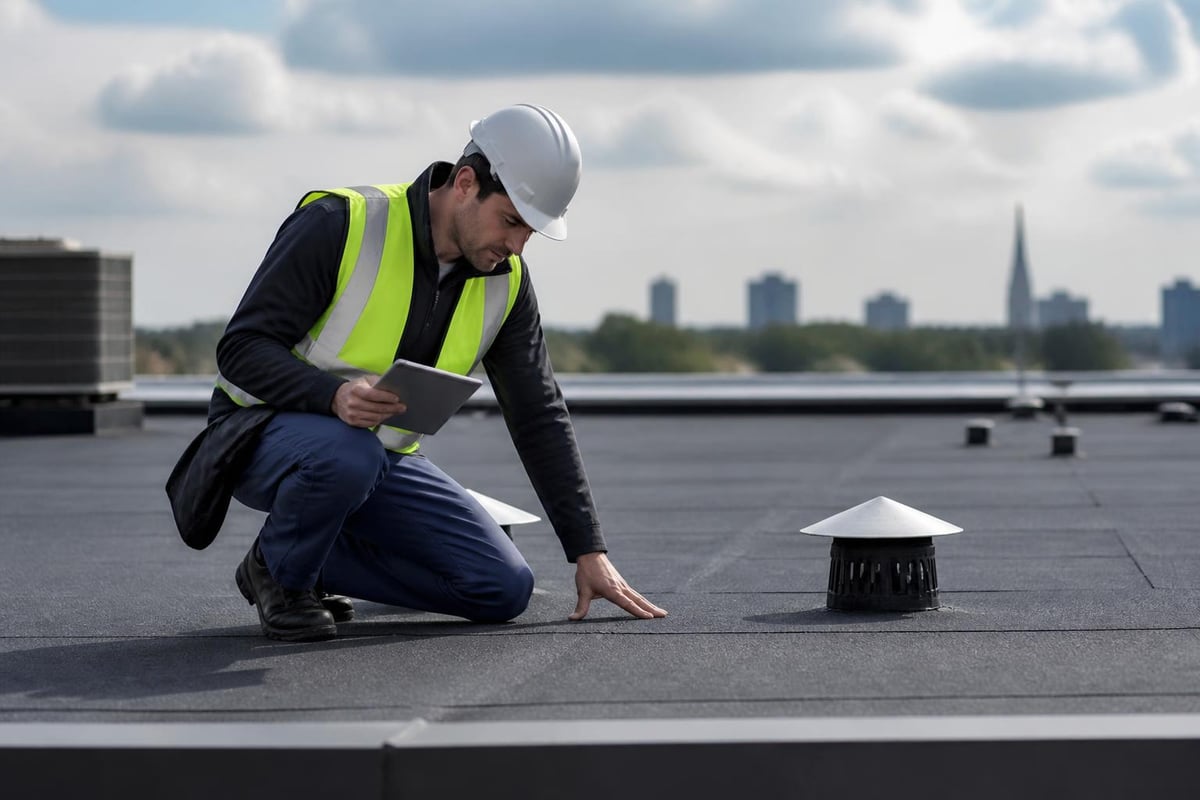
Professional contractors photograph every significant finding during inspections. These images serve multiple purposes: they help property owners visualize problems they can't safely see themselves, provide evidence for insurance claims, create baseline documentation for future comparisons, and protect both parties by establishing clear agreement about pre-existing conditions.
Review sample inspection reports before hiring a roofing repair company. Quality reports include well-lit, in-focus photographs with annotations explaining what the images show, measurements where relevant, and clear descriptions of each issue's severity and repair urgency.
Warranty Protection and Long-Term Support
Warranty terms reveal how much confidence a roofing repair company has in their workmanship and materials. While material warranties come from manufacturers, labor warranties reflect the contractor's commitment to their installation quality. Understanding warranty coverage helps property owners evaluate the true cost and value of different repair proposals.
Labor Warranty Duration and Terms
Labor warranties typically range from one to ten years, with five-year coverage representing a solid middle ground that balances contractor confidence with reasonable property owner protection. When comparing warranties, examine not just the duration but the specific terms and exclusions.
| Warranty Aspect | What to Check | Red Flags |
|---|---|---|
| Coverage Duration | Years of labor protection | Less than 2 years |
| Transferability | Can new owners use it? | Non-transferable terms |
| Exclusions | What voids coverage | Excessive exclusions |
| Claim Process | How to request service | Unclear procedures |
| Response Timeline | How quickly repairs happen | No specified timeline |
Some contractors offer prorated warranties where coverage decreases over time, while others provide full coverage for the entire warranty period. Full-term warranties demonstrate greater contractor confidence. Additionally, verify whether warranty coverage requires specific maintenance activities and how those requirements are documented.
Material Warranty Coordination
When a roofing repair company uses manufacturer-certified installation methods and products, material warranties often extend beyond standard terms. These enhanced warranties can provide decades of protection against manufacturing defects. However, material warranties become void if repairs are performed by uncertified contractors or if unauthorized modifications occur.
Ask contractors to explain how their installation methods preserve material warranty coverage and whether they coordinate warranty registration on your behalf. Professional companies handle these administrative details as part of their service, ensuring you receive all available protection.
Insurance Claim Navigation and Documentation
Storm damage and sudden roofing failures often involve insurance claims that require specific documentation and communication with adjusters. An experienced roofing repair company understands insurance processes and can significantly improve claim outcomes through proper documentation and adjuster coordination. For property owners navigating the complexities of coverage, working with insurance claim specialists ensures nothing falls through administrative cracks.
Damage Assessment for Insurance Purposes
Insurance adjusters evaluate damage based on specific criteria that determine coverage eligibility and payout amounts. A roofing repair company experienced in insurance work knows how to document damage in ways that clearly demonstrate covered perils while providing the detailed evidence adjusters require.
This documentation typically includes:
- Timestamped photographs from multiple angles
- Measurements of damaged areas
- Material identification and specifications
- Comparison to undamaged sections
- Professional assessment of repair versus replacement needs
- Cost estimates aligned with insurance industry standards
Contractors who regularly work with insurance claims understand how to present information in formats adjusters recognize and trust. They know which documentation strengthens claims and how to explain technical issues in terms insurance representatives understand.
Commercial Versus Residential Expertise
While some roofing principles apply universally, commercial and residential roofing involve different materials, installation methods, code requirements, and project management approaches. When selecting a roofing repair company, consider whether they specialize in your property type and have relevant experience with your specific roofing system.
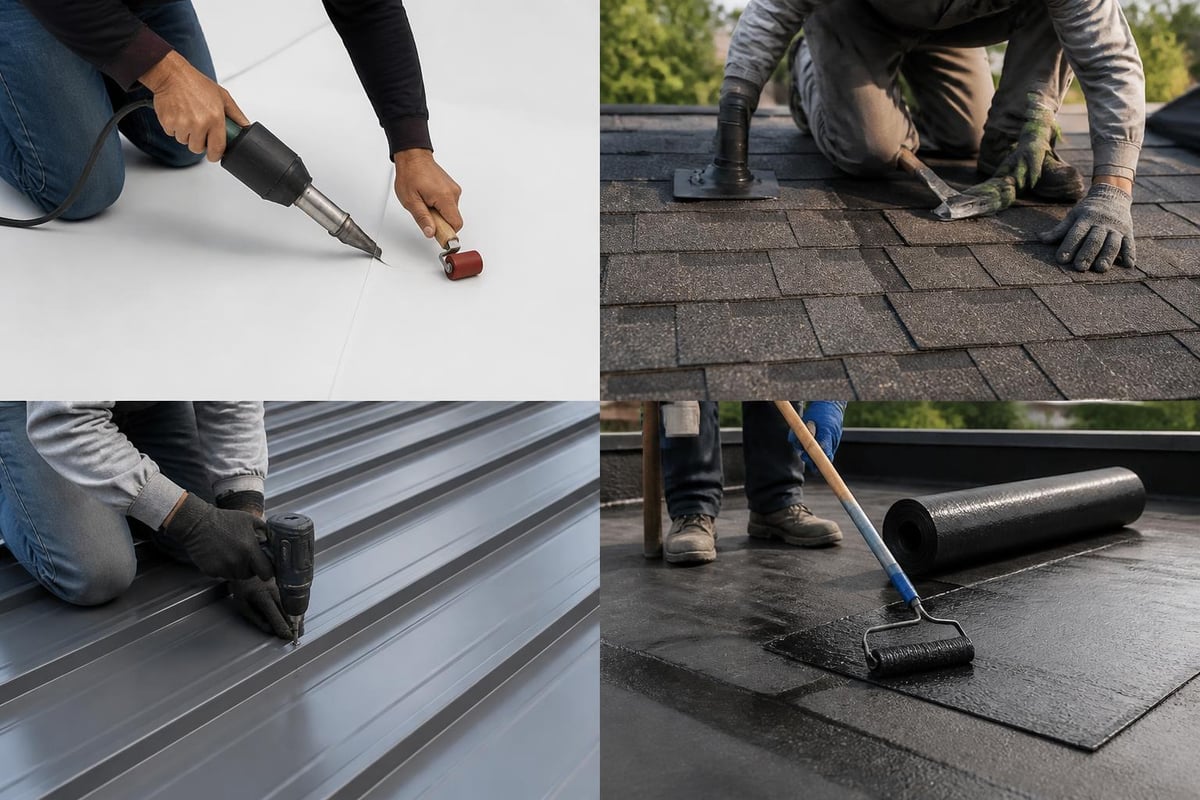
Commercial roofing typically involves flat or low-slope systems using materials like TPO, EPDM, or modified bitumen. These systems require specialized knowledge about drainage, seam integrity, and commercial building codes. Residential roofing more commonly involves pitched roofs with asphalt shingles, tile, or metal panels.
A roofing repair company that excels in both commercial and residential work demonstrates versatility and comprehensive expertise. However, if a contractor exclusively handles one property type, they may offer deeper specialization in that specific area.
System-Specific Knowledge Requirements
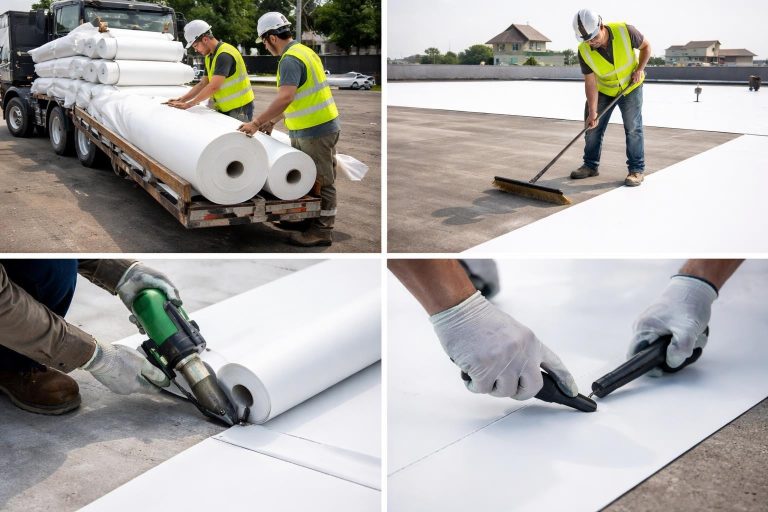
Different roofing systems present unique repair challenges. TPO roofing requires heat-welded seams and specialized membrane repair techniques. Asphalt shingle repairs involve proper underlayment integration and matching weathered materials. Metal roofing demands understanding of thermal expansion, fastener systems, and panel seam integrity.
When discussing your project with potential contractors, listen for specific technical knowledge about your roofing system. Generic responses suggest limited experience, while detailed explanations of system-specific repair methods indicate genuine expertise.
Project Management and Job Site Standards
The way a roofing repair company manages projects and maintains job sites reflects their professionalism and respect for your property. Quality contractors protect landscaping, minimize disruption to occupants, maintain clean work areas, and complete projects on schedule.
Daily Job Site Protocols
Professional roofing repair companies establish clear daily protocols that crews follow consistently. These include morning safety briefings, material staging that protects property, debris containment systems, end-of-day cleanup procedures, and secure storage of tools and materials. For guidance on operational efficiency, contractors often reference resources like roofing operation optimization tips to maintain high standards.
Ask contractors about their job site management practices:
- How do they protect landscaping and building surroundings?
- What debris removal systems do they use?
- How frequently do they clean work areas?
- What happens if weather delays the project?
- How do they secure the site when crews aren't present?
Companies with established protocols provide consistent experiences across all projects, while those without clear standards deliver unpredictable results.
Communication During Active Projects
Once work begins, communication becomes crucial for managing expectations and addressing issues promptly. The best roofing repair companies assign a project manager or foreman who serves as your primary contact throughout the repair process. This person should provide daily updates, explain any unexpected findings, and answer questions as they arise.
Establish communication preferences upfront. Some property owners prefer text updates, while others want phone calls or email summaries. Professional contractors adapt to client preferences and maintain consistent contact throughout the project.
Price Transparency and Estimate Comparisons
Understanding how roofing repair companies structure pricing helps property owners evaluate quotes and identify potential issues. The lowest bid rarely represents the best value, while the highest doesn't guarantee superior quality. Price transparency and detailed cost breakdowns enable informed comparisons.
Itemized Estimate Components
Quality estimates break down costs into specific categories rather than providing single lump-sum figures. This transparency allows property owners to understand what they're paying for and compare proposals on equal terms.
Comprehensive estimates should itemize:
- Labor costs by task or crew hours
- Material costs with product specifications
- Equipment rental or specialized tool expenses
- Disposal and haul-away fees
- Permit costs and inspection fees
- Project management and overhead allocations
- Profit margins (though some contractors include this in labor rates)
- Warranty coverage included in the base price
When comparing estimates from multiple contractors, verify that all proposals include the same scope of work and materials. A lower price may reflect inferior materials, limited warranty coverage, or exclusion of necessary preparation work.
Red Flags in Pricing Structures
Certain pricing approaches signal potential problems with a roofing repair company. Be cautious of contractors who demand large upfront deposits before work begins, offer prices significantly below competitors without clear explanations, pressure you to make immediate decisions with limited-time discounts, or provide vague estimates without detailed breakdowns.
Professional contractors typically request modest deposits to order materials, with the majority of payment due upon satisfactory completion. They understand that quality work speaks for itself and don't rely on high-pressure sales tactics.
Evaluating Local Reputation and Track Record
A roofing repair company's reputation within their service area provides valuable insights into their reliability, quality, and customer service. Local contractors build reputations over years through consistent performance, community involvement, and how they handle both successful projects and occasional challenges.
Reference Checking Best Practices
When contractors provide references, contact at least three recent clients with projects similar to yours in scope and complexity. Ask specific questions about their experience:
- How well did the contractor communicate throughout the project?
- Did crews arrive on schedule and complete work as promised?
- How did the company handle unexpected issues or changes?
- What was the job site condition during and after work?
- Has the repair performed as expected since completion?
- Would you hire this contractor again for future work?
Pay attention not just to what references say but how they say it. Enthusiastic recommendations carry more weight than lukewarm endorsements, while hesitation or qualified praise may indicate concerns the reference isn't expressing directly.
Online Review Analysis
Digital reviews on platforms like Google, Yelp, and industry-specific sites provide broader perspective on a roofing repair company's performance. When reviewing online feedback, look for patterns rather than focusing on individual comments. A few negative reviews among dozens of positive ones is normal, while numerous complaints about similar issues suggest systemic problems.
Consider how companies respond to negative reviews. Professional contractors acknowledge concerns, explain their perspective respectfully, and demonstrate willingness to address legitimate problems. Defensive, dismissive, or argumentative responses indicate poor customer service approaches.
Timeline Expectations and Scheduling Reliability
Understanding realistic timelines for roofing repairs helps property owners plan appropriately and identify contractors who over-promise to win bids. Project duration depends on repair complexity, weather conditions, material availability, and crew size. Professional roofing repair companies provide realistic schedules based on actual project requirements.
Factors Affecting Repair Timelines
Simple repairs like replacing a few damaged shingles or sealing a small leak might take just hours to complete. Extensive repairs involving structural work, multiple roof areas, or complex flashing replacement can require several days. Weather plays an unpredictable role, as roofing work depends on dry conditions and appropriate temperatures.
Material availability has become increasingly important in recent years. Supply chain disruptions can delay specialized roofing products, particularly for commercial systems or unique residential materials. Contractors who maintain relationships with multiple suppliers and stock common materials experience fewer delays.
For commercial properties requiring minimal operational disruption, resources like scheduling best practices for roof repairs help coordinate work during off-hours or slower business periods.
Schedule Commitment and Delay Communication
Reliable contractors honor their scheduling commitments and communicate proactively when delays occur. Weather delays are inevitable in roofing, but professional companies notify clients as soon as schedule changes become necessary and provide updated completion estimates.
Establish clear expectations about scheduling during the contracting phase. Understand the contractor's current project load, when your work will begin, and how weather or material delays will be handled. Companies that book work months in advance demonstrate strong demand but may have less flexibility for urgent needs.
Maintenance Programs and Ongoing Support
The relationship with a quality roofing repair company shouldn't end when the project concludes. Leading contractors offer maintenance programs that extend roof lifespan through regular inspections, minor repairs, and proactive interventions. For insights on maintaining roof integrity, property owners can reference commercial roof maintenance best practices that emphasize preventive care.
Regular maintenance catches small issues before they become major problems. Annual or biannual inspections identify loose fasteners, developing cracks, clogged drainage, or early signs of material deterioration. Addressing these minor concerns costs far less than emergency repairs after leaks develop.
Preventive Maintenance Value Proposition
Roofing repair companies that offer maintenance programs demonstrate long-term commitment to client relationships rather than transactional project approaches. These programs typically include scheduled inspections, priority service for program members, discounted repair rates, and detailed maintenance logs that document roof condition over time.
For commercial properties where roof failure can halt operations and damage inventory, maintenance programs provide critical protection. For residential properties, they offer peace of mind and potential insurance benefits, as some insurers offer discounts for documented maintenance.
Selecting the right roofing repair company requires careful evaluation of qualifications, communication standards, warranty protection, and operational capabilities that directly impact repair quality and longevity. Property owners who invest time in thorough contractor vetting protect themselves from costly rework, extended damage, and substandard repairs. When you need dependable roofing repairs backed by in-house crews, transparent documentation, and a five-year labor warranty, Texcore Construction delivers the accountability and craftsmanship Fort Worth property owners trust for both emergency responses and planned roofing projects.