Storm Damage Contractors: What Every Property Owner Needs
When severe weather strikes, property owners face urgent decisions about repairs, insurance claims, and contractor selection. Storm damage contractors specialize in rapid response, comprehensive damage assessment, and full restoration services that address everything from immediate emergency repairs to complete roof replacements. Choosing the right contractor means the difference between a smooth recovery process and months of headaches, delays, and potential financial loss. Understanding how qualified storm damage contractors operate, what credentials matter, and how to protect yourself from common pitfalls ensures your property gets restored correctly while maximizing insurance coverage.
Understanding Storm Damage Contractor Roles and Responsibilities
Storm damage contractors do far more than patch leaks and replace missing shingles. These specialized professionals assess structural integrity, document damage for insurance purposes, coordinate with adjusters, and execute comprehensive restoration plans that address both visible and hidden damage.
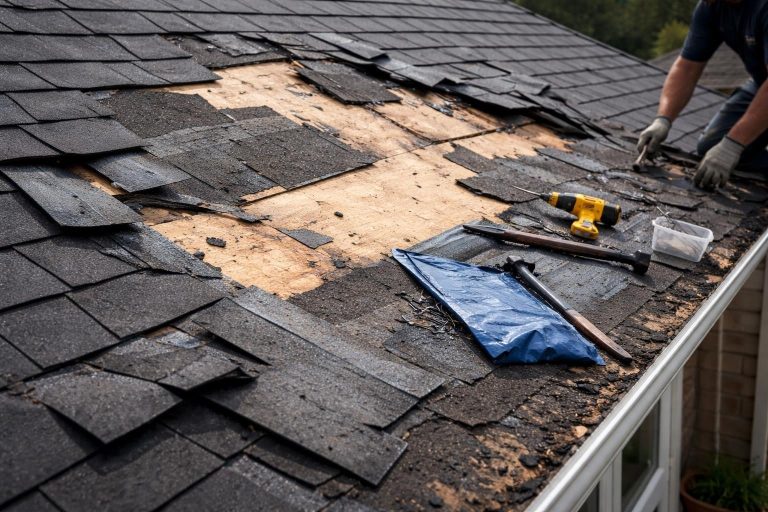
Professional contractors conduct thorough inspections that identify compromised flashing, damaged underlayment, cracked decking, and water intrusion that may not be immediately obvious. This detailed approach prevents future problems that can emerge weeks or months after a storm when hidden moisture damage manifests as rot, mold, or structural failure.
The Complete Scope of Storm Restoration Services
Quality storm damage contractors provide integrated services that cover the full restoration cycle:
- Emergency tarping and temporary weatherproofing to prevent additional damage
- Comprehensive damage assessment with photographic documentation
- Detailed written estimates that align with insurance requirements
- Direct communication with insurance adjusters and claims representatives
- Complete repairs or replacement using manufacturer-approved methods
- Final inspections and warranty documentation
The best contractors maintain in-house crews rather than relying on subcontractors. This approach ensures consistent quality, accountability, and communication throughout the project. Licensed and insured teams provide property owners with protection and recourse if problems arise.

Credentials and Qualifications That Matter
Not all storm damage contractors meet the same standards. Verifying credentials protects property owners from unlicensed operators, fly-by-night operations, and contractors who lack the expertise to handle complex restoration work.
| Credential Type | Why It Matters | What to Verify |
|---|---|---|
| State Licensing | Legal requirement and quality baseline | Current license number, no violations |
| Insurance Coverage | Protects you from liability | General liability and workers' compensation |
| Manufacturer Certifications | Access to warranties and proper installation training | Specific product certifications relevant to your roof |
| Industry Associations | Commitment to professional standards | Active membership, good standing |
According to essential contractor qualifications, proper licensing demonstrates that contractors have met minimum competency standards and maintain accountability to regulatory bodies. Insurance verification protects property owners from liability if workers are injured on site or if property damage occurs during repairs.
Red Flags in Storm Damage Contractor Selection
Several warning signs indicate contractors who should be avoided:
- Requests for full payment upfront before work begins
- Pressure tactics claiming limited-time offers or immediate decisions
- Door-to-door solicitation immediately following storms
- Lack of local references or verifiable completed projects
- Unwillingness to provide written estimates or contract terms
- No physical business address or legitimate contact information
Storm damage contractors who operate professionally understand that property owners need time to evaluate options, review contracts, and verify credentials. Legitimate contractors welcome questions and provide transparent answers about their processes, timelines, and costs.
Working with Insurance Companies and Adjusters
The insurance claims process represents one of the most challenging aspects of storm damage recovery. Experienced storm damage contractors navigate this complex landscape by understanding policy language, documentation requirements, and adjuster expectations.
Professional contractors document damage thoroughly before repairs begin. This documentation includes photographs from multiple angles, detailed measurements, material specifications, and comprehensive written descriptions that align with insurance policy coverage terms. When contractors work directly with adjusters, they explain technical aspects of damage and necessary repairs in terms insurance professionals understand.
Common Insurance Claim Mistakes to Avoid
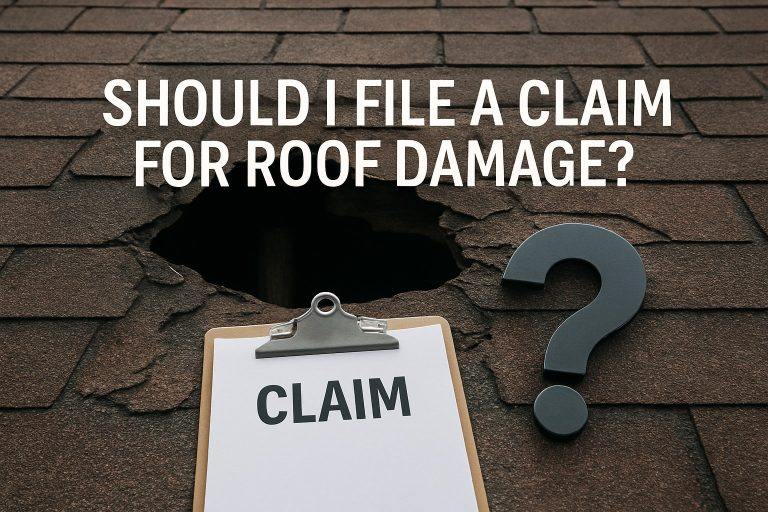
Property owners often make errors that reduce claim payouts or create delays. Avoiding common homeowner mistakes during the claims process protects your financial interests:
- Filing claims before documenting all damage leads to incomplete assessments
- Accepting initial estimates without independent verification may result in underpayment
- Starting repairs before insurance approval can void coverage
- Failing to understand policy exclusions and limitations creates unrealistic expectations
- Missing claim filing deadlines eliminates coverage entirely
Quality storm damage contractors guide property owners through these pitfalls by managing documentation, communicating with adjusters, and ensuring all necessary approvals are obtained before work begins. For Fort Worth property owners navigating insurance claims for roof damage, having contractor support throughout the claims process significantly improves outcomes.
Immediate Actions After Storm Damage Occurs
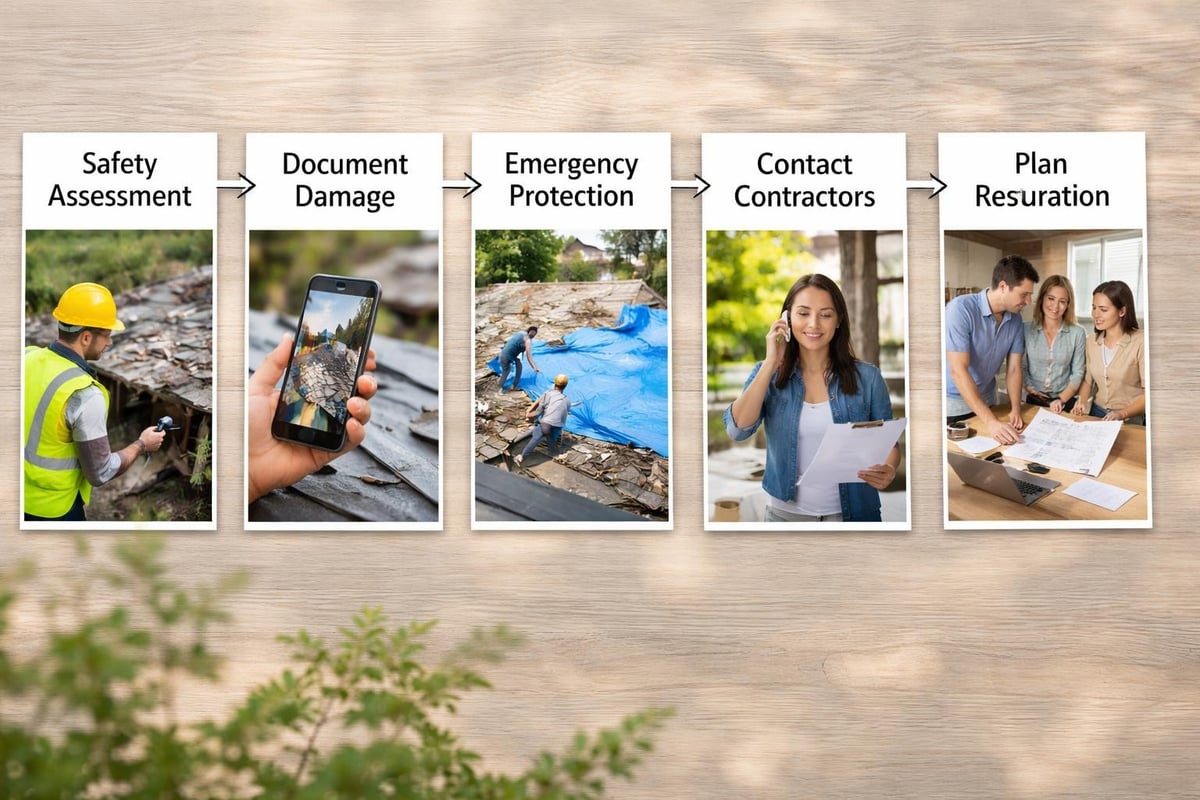
The hours immediately following severe weather determine how quickly restoration can begin and how much additional damage occurs. Storm damage contractors emphasize specific steps that property owners should take as soon as safety permits.
First, document everything. Photograph and video record all visible damage from multiple angles. Capture wide shots showing overall conditions and close-ups of specific damage points. This evidence supports insurance claims and provides contractors with information for accurate estimates. Following essential post-storm steps ensures nothing critical gets overlooked.
Emergency Protection Measures
Before professional storm damage contractors arrive, property owners can take temporary measures to prevent further damage:
- Place tarps over obvious openings or damaged areas
- Move valuable items away from active leaks
- Place buckets or containers to catch dripping water
- Remove standing water from flat surfaces when safe
- Document all emergency measures taken for insurance records
Never climb on damaged roofs or attempt repairs in unsafe conditions. Professional contractors have proper safety equipment, training, and insurance to work at heights and on compromised structures. Property owners who injure themselves during DIY repair attempts may face medical bills and potential insurance complications.
Commercial vs Residential Storm Damage Considerations
Storm damage contractors typically specialize in either commercial or residential work, though some handle both. The approaches, materials, and timelines differ significantly between these property types.
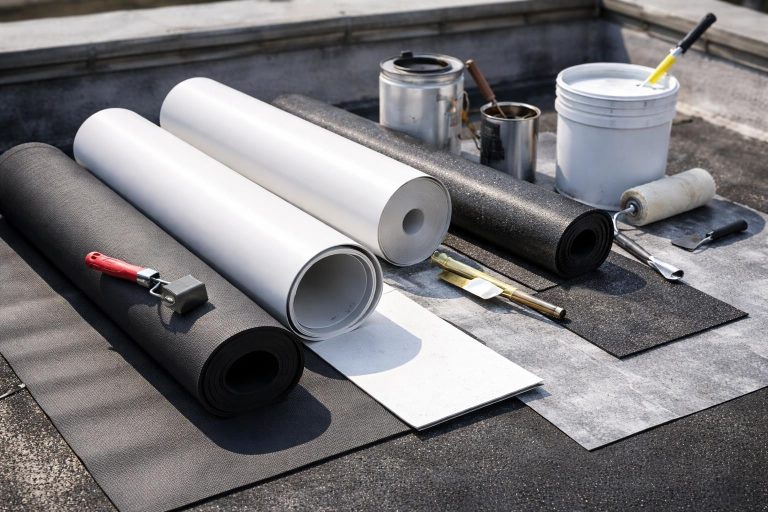
Commercial properties often feature flat or low-slope roofing systems using TPO, EPDM, or modified bitumen materials. These systems require specialized knowledge, different repair techniques, and faster response times due to business interruption concerns. Commercial building storm repairs demand careful planning to minimize operational disruptions while ensuring thorough restoration.
Residential properties typically use sloped roofs with asphalt shingles, tile, or metal materials. Storm damage contractors working on homes focus on matching existing materials, maintaining aesthetic consistency, and coordinating with homeowners' schedules and insurance requirements.
| Property Type | Primary Concerns | Typical Timeline | Common Materials |
|---|---|---|---|
| Commercial | Business continuity, tenant safety, larger scope | Days to weeks | TPO, EPDM, Modified Bitumen, Metal |
| Residential | Family displacement, aesthetic matching, budget | Weeks to months | Asphalt shingles, Tile, Metal, Slate |
| Industrial | Equipment protection, production impact, safety compliance | Days to weeks | Metal panels, Single-ply membranes, Spray foam |
Property managers and business owners should prioritize storm damage contractors with commercial experience, proper bonding for large projects, and the crew capacity to complete work quickly. Residential property owners benefit from contractors who understand homeowner insurance policies and can coordinate with occupied properties.
Types of Storm Damage and Repair Approaches
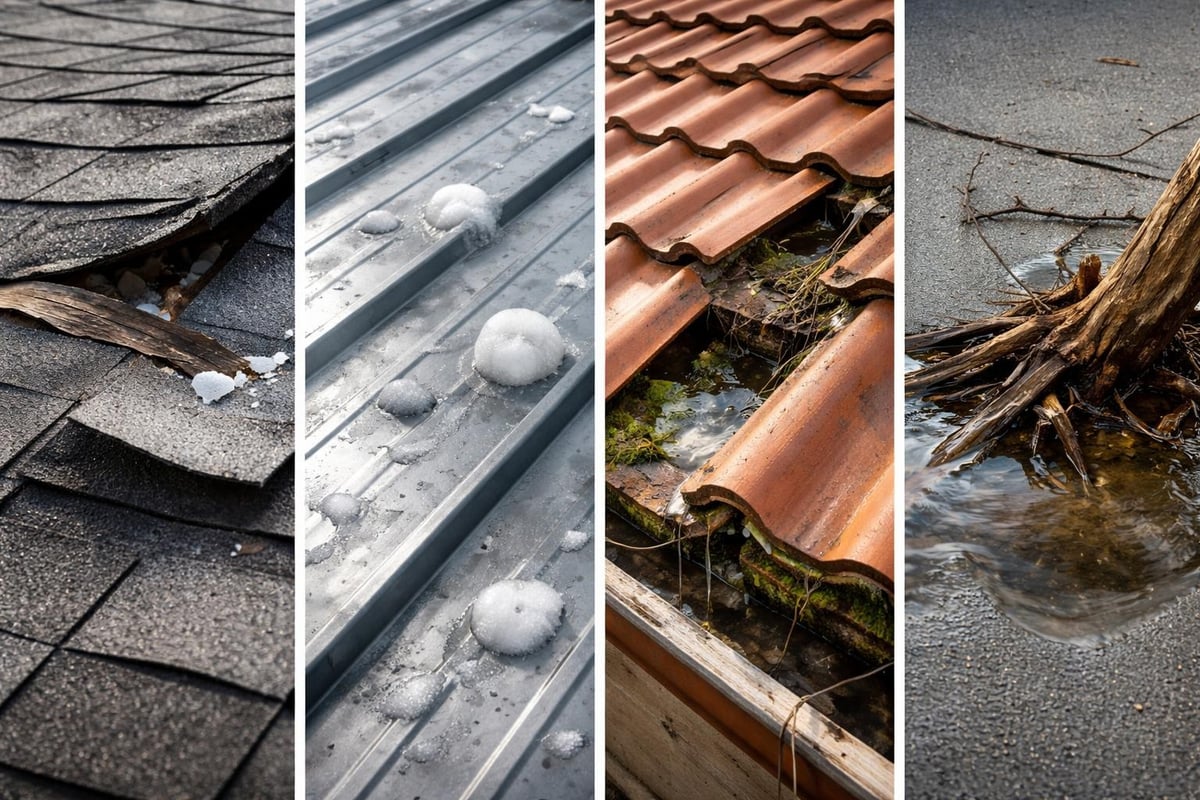
Different weather events create distinct damage patterns that require specific repair strategies. Experienced storm damage contractors assess damage type to determine appropriate restoration methods.
Wind Damage
High winds lift shingles, tear flashing, and can completely remove roofing sections. Wind creates progressive damage as lifted areas allow water intrusion that compromises underlayment and decking. Understanding wind damage to roofing systems helps property owners recognize signs that immediate professional assessment is needed.
Wind damage repairs range from simple shingle replacement to complete roof reconstruction depending on severity. Storm damage contractors evaluate whether repairs can maintain system integrity or if full replacement provides better long-term value.
Hail Impact
Hail creates bruising, granule loss, and cracking in asphalt shingles while denting metal roofing and flashing. Unlike wind damage that's immediately obvious, hail impact may not create leaks initially but compromises material integrity, reducing lifespan and performance.
Professional storm damage contractors use specific inspection techniques to identify hail damage:
- Examining shingles for mat fibers exposed by granule loss
- Checking metal surfaces for dimpling and deformation
- Inspecting gutters, downspouts, and vents for impact marks
- Assessing flashing and penetration seals for damage
Water and Debris Damage
Heavy rainfall combined with compromised roofing creates water intrusion that damages interiors, insulation, and structural components. Fallen branches, flying debris, and accumulated leaf matter can puncture roofing materials or block drainage systems.
Storm damage contractors address water damage through comprehensive approaches that include moisture remediation, structural drying, and replacement of compromised materials. Simply patching visible holes without addressing hidden moisture damage leads to mold growth and rot.
The Storm Damage Restoration Process
Professional storm damage contractors follow systematic restoration processes that ensure thorough repairs while maintaining project timelines and budgets. Understanding this workflow helps property owners know what to expect and when to raise concerns.
Initial Assessment and Documentation
The process begins with comprehensive inspection and documentation. Contractors examine all roofing components, photograph damage, take measurements, and identify both obvious and hidden issues. This assessment forms the basis for insurance claims and repair estimates.
Quality contractors provide detailed written reports that describe damage locations, affected materials, repair requirements, and cost estimates. These reports should align with insurance policy language and provide sufficient detail for adjusters to evaluate claims accurately.
Insurance Coordination and Approval
Storm damage contractors coordinate with insurance adjusters to ensure all damage gets recognized and covered. This coordination includes:
- Scheduling adjuster inspections at convenient times
- Walking adjusters through damage areas with technical explanations
- Providing supporting documentation and photographs
- Addressing questions about repair necessity and scope
- Negotiating fair valuations for damaged materials and labor
Contractors experienced in roofing insurance claims understand how adjusters evaluate damage and can present information in formats that support maximum coverage.
Repair Execution and Quality Control
Once approvals are obtained, storm damage contractors execute repairs according to manufacturer specifications and building codes. Professional operations maintain clean job sites, protect landscaping and property, and communicate progress regularly.
In-house crews ensure consistent quality and accountability. When problems arise, property owners deal directly with the company rather than navigating subcontractor relationships. Every installation should include:
- Proper material handling and storage
- Manufacturer-specified installation techniques
- Code-compliant flashing and penetration details
- Thorough cleanup and debris removal
- Final inspection and warranty documentation
Final Inspection and Warranty
Completed projects require final inspections to verify all work meets specifications and local code requirements. Storm damage contractors provide warranty documentation that covers both materials and labor, offering protection if issues emerge after completion.
Five-year labor warranties demonstrate contractor confidence in workmanship quality. Material warranties vary by product but typically extend 20 to 50 years depending on roofing system type and grade.
Selecting the Right Storm Damage Contractor
Property owners face dozens of contractor options following major storms. Systematic evaluation processes help identify qualified professionals who deliver reliable results.
Essential Questions to Ask Potential Contractors
Before signing contracts, property owners should obtain clear answers to specific questions:
- How long have you operated in this area? Local longevity indicates stability and reputation
- Do you use in-house crews or subcontractors? In-house teams provide better accountability
- What warranties do you provide on labor and materials? Strong warranties indicate quality confidence
- Can you provide recent local references? Verifiable references demonstrate consistent performance
- How do you handle change orders and unexpected issues? Clear processes prevent disputes
- What is your typical project timeline? Realistic schedules set appropriate expectations
Understanding contractor vetting criteria helps property owners evaluate answers objectively and identify contractors who meet professional standards.
Comparing Estimates and Proposals
Multiple estimates provide comparison points but shouldn't be evaluated on price alone. Storm damage contractors who submit significantly lower bids often cut corners, use inferior materials, or add charges through change orders.
Quality estimates include:
- Detailed material specifications with brand names and grades
- Line-item breakdowns of labor and material costs
- Clear timelines with milestone dates
- Payment schedules tied to project completion stages
- Warranty terms in writing
- Insurance information and license numbers
Avoid contractors who pressure immediate decisions or claim damage requires instant repairs. Legitimate storm damage requires prompt attention, but quality contractors understand property owners need time to evaluate options and verify credentials. Following comprehensive repair service guidelines ensures you select contractors who deliver complete solutions.
Prevention and Maintenance Between Storms
While storm damage contractors focus on restoration, property owners benefit from preventive measures that reduce future damage severity. Regular maintenance identifies potential vulnerabilities before weather tests them.
Annual roof inspections conducted by qualified professionals catch small issues before they become major problems. These inspections assess:
- Shingle condition and granule retention
- Flashing integrity around penetrations and transitions
- Gutter and downspout functionality
- Ventilation system performance
- Structural components for sagging or deterioration
Preparing Properties for Storm Season
Fort Worth property owners should implement specific preparations before storm season arrives:
- Trim overhanging branches that could impact roofs during high winds
- Secure loose items around properties that could become projectiles
- Clean gutters and downspouts to ensure proper drainage
- Inspect and repair minor damage before severe weather arrives
- Review insurance policies to understand coverage and exclusions
- Identify reputable contractors before emergency needs arise
Property owners who establish relationships with qualified storm damage contractors before emergencies occur benefit from faster response times and established trust when urgent situations develop. Many roofing professionals, including those offering emergency roof repair services, provide priority response to existing clients.
Cost Factors in Storm Damage Restoration
Understanding cost drivers helps property owners evaluate estimates and budget for potential out-of-pocket expenses beyond insurance coverage. Storm damage contractors price projects based on multiple variables.
Primary Cost Components
Material costs fluctuate based on market conditions, availability, and product specifications. Premium materials cost more initially but often provide better longevity and warranty coverage. Labor costs reflect crew skill levels, project complexity, and local market rates.
Additional factors affecting total project costs include:
- Roof accessibility and complexity of existing design
- Height and pitch requiring specialized safety equipment
- Extent of hidden damage discovered during tear-off
- Permit and inspection fees required by local jurisdictions
- Disposal costs for damaged materials and debris
- Timeline urgency when expedited completion is necessary
| Cost Category | Typical Percentage | Variables Affecting Cost |
|---|---|---|
| Materials | 40-50% | Product grade, availability, waste factors |
| Labor | 35-45% | Crew size, project complexity, timeline |
| Equipment | 5-10% | Safety systems, specialized tools, scaffolding |
| Permits/Fees | 2-5% | Jurisdiction requirements, inspection needs |
| Disposal | 3-8% | Material volume, landfill fees, recycling options |
Storm damage contractors who provide detailed breakdowns help property owners understand where money goes and make informed decisions about material selections and project scope.
Legal and Contractual Considerations
Contracts with storm damage contractors establish expectations, timelines, and remedies if problems occur. Property owners should review all documents carefully before signing and request clarification on unclear terms.
Essential Contract Elements
Complete contracts address potential disputes proactively by defining responsibilities and processes:
- Detailed scope of work describing all tasks and materials
- Payment schedule tied to completion milestones, not upfront
- Timeline estimates with start and completion dates
- Change order procedures for addressing unexpected conditions
- Warranty terms covering both labor and materials
- Dispute resolution processes if disagreements arise
- Cancellation policies and associated fees
Never sign contracts with blank spaces or missing information. Storm damage contractors who pressure signatures without allowing review time should be avoided. Legitimate professionals encourage property owners to read contracts thoroughly and ask questions.
Lien Waivers and Payment Protection
Property owners should obtain lien waivers from contractors and material suppliers confirming payment receipt. These documents prevent liens against properties if contractors fail to pay subcontractors or suppliers even after receiving payment from property owners.
In cases where properties require specialized assessments beyond roofing systems, such as older commercial buildings that might contain hazardous materials, coordination with qualified specialists like asbestos management professionals ensures comprehensive safety compliance during restoration work.
Technology and Innovation in Storm Damage Assessment
Modern storm damage contractors leverage technology to improve assessment accuracy, documentation quality, and project efficiency. These tools benefit both contractors and property owners through better outcomes and streamlined processes.
Advanced Inspection Technologies
Drone photography provides safe access to steep or damaged roofs without risking worker injury. High-resolution imagery captures damage details from angles impossible with ground-based photography. Thermal imaging identifies hidden moisture intrusion and insulation gaps that indicate water damage beneath visible surfaces.
Digital documentation systems organize photographs, measurements, and notes into comprehensive reports that integrate with insurance claim software. This organization ensures nothing gets overlooked and provides property owners with detailed records of damage and repairs.
Project Management and Communication Tools
Professional storm damage contractors use project management platforms that keep property owners informed throughout restoration. These systems provide:
- Real-time project updates and milestone notifications
- Photo documentation accessible from any device
- Direct messaging with project managers and crews
- Document storage for contracts, warranties, and permits
- Payment tracking and invoice management
Transparent communication reduces anxiety during stressful restoration periods and ensures property owners understand project status without constant phone calls or site visits.
Regional Considerations for Fort Worth Property Owners
Fort Worth's weather patterns create specific challenges that experienced local storm damage contractors understand thoroughly. The region experiences severe thunderstorms, hail events, and occasional tornadoes that test roofing systems regularly.
Local building codes reflect these climate realities through requirements for wind resistance ratings and installation specifications. Storm damage contractors familiar with Fort Worth regulations ensure repairs meet or exceed code requirements, protecting property owners from future complications.
Understanding Texas Storm Patterns
Spring and early summer bring the highest risk of severe weather to the Fort Worth area. Hail, high winds, and heavy rainfall often occur simultaneously, creating compound damage that requires comprehensive assessment. Property owners should schedule roof inspections following any significant weather event, even if damage isn't immediately apparent.
Local storm damage contractors maintain relationships with insurance adjusters who regularly work in the area. These relationships facilitate smoother claims processes because adjusters recognize contractors who consistently provide accurate documentation and quality work.
For property renovations following storm damage, coordination with specialized suppliers such as barn door hardware providers ensures interior upgrades complement exterior restoration work when properties undergo comprehensive rehabilitation.
Selecting qualified storm damage contractors requires careful evaluation of credentials, references, and communication practices, but the investment in thorough vetting pays dividends through quality workmanship and stress-free restoration. Property owners who understand the restoration process, insurance coordination requirements, and contractor selection criteria position themselves for successful outcomes following severe weather events. When storm damage affects your Fort Worth property, Texcore Construction delivers rapid response with in-house licensed crews, comprehensive insurance claim support, and transparent communication backed by detailed documentation and five-year labor warranties on every project.