Texas Roofing Services: A Guide for Property Owners
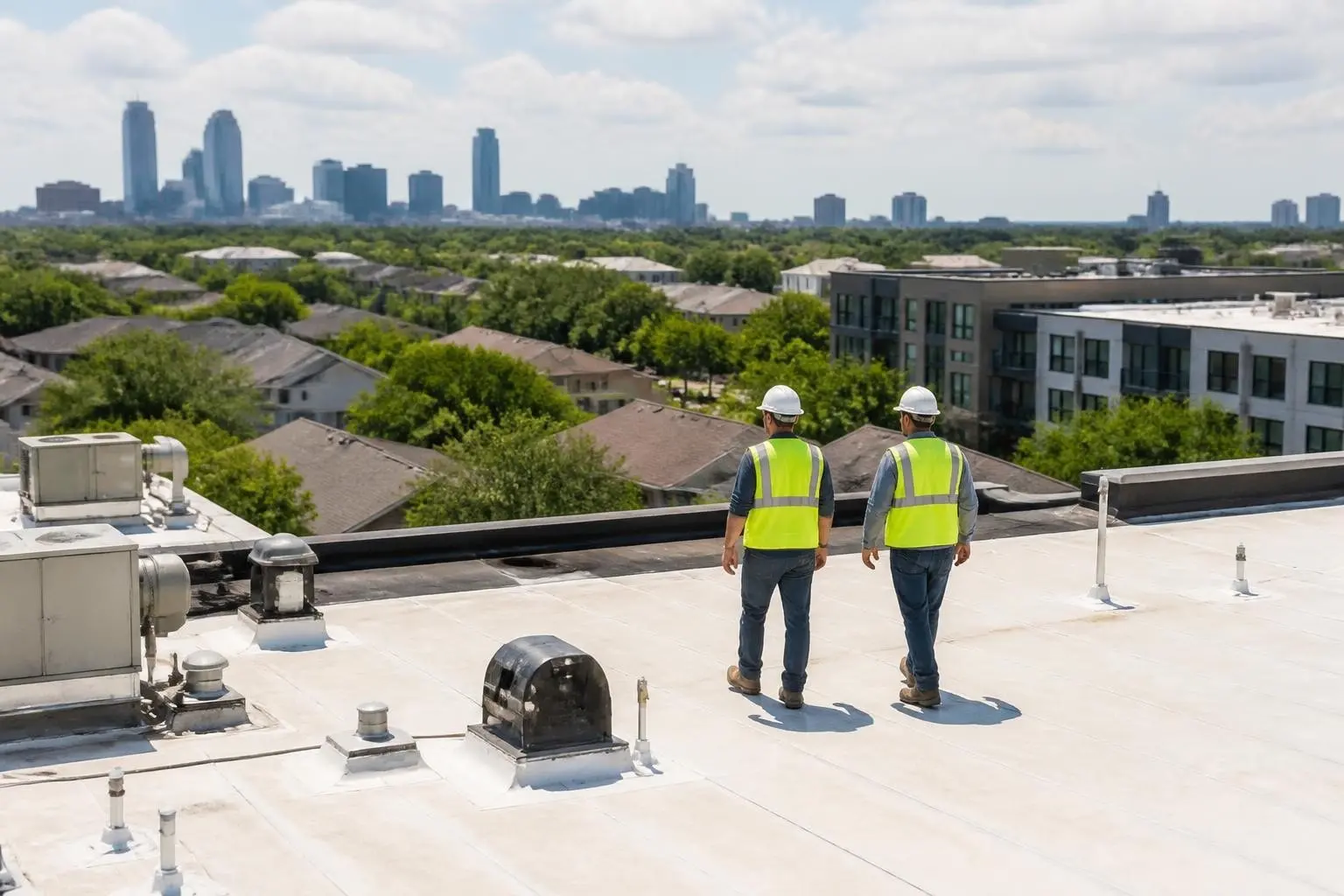
Finding reliable texas roofing services requires understanding the unique regulatory environment, climate challenges, and contractor landscape that define the Lone Star State. Unlike many states, Texas does not mandate statewide licensing for roofing contractors, placing greater responsibility on property owners to verify credentials, insurance coverage, and track records before signing contracts. Texas property owners-whether managing commercial facilities, industrial warehouses, or residential homes-face distinct roofing challenges from severe hailstorms, high winds, intense UV exposure, and temperature extremes that accelerate material deterioration. Selecting the right roofing partner means evaluating technical expertise, crew accountability, documentation practices, and the ability to deliver long-term performance under demanding conditions.
Understanding the Texas Roofing Regulatory Landscape
The absence of statewide roofing contractor licensing in Texas creates a unique compliance environment. According to the regulatory context for Texas roofing, the industry operates under a layered framework combining federal safety standards, state consumer protection statutes, and local building codes. Property owners cannot rely on a state-issued license as a qualification benchmark, making due diligence essential.
Local Jurisdictions and Building Codes
Texas municipalities maintain their own permitting requirements and building code enforcement. Major metropolitan areas including Fort Worth, Dallas, Houston, Austin, and San Antonio each enforce specific standards for roof installations, repairs, and inspections. Contractors providing texas roofing services must navigate these local regulations, secure appropriate permits, and schedule inspections according to municipal timelines.
Building officials verify compliance with International Building Code (IBC) standards, energy efficiency requirements, and fire resistance ratings. Commercial projects face additional scrutiny regarding structural load calculations, drainage specifications, and accessibility provisions. Residential work typically requires permits for full replacements but may exempt minor repairs depending on scope and jurisdiction.
Insurance and Bonding Requirements
While Texas does not mandate contractor licensing, legitimate texas roofing services maintain comprehensive insurance coverage. General liability insurance protects property owners from third-party claims arising from roofing work. Workers' compensation coverage ensures employees injured on-site receive appropriate care without imposing liability on property owners.
Essential Insurance Verification Steps:
- Request certificates of insurance directly from the contractor's insurance carrier
- Verify coverage amounts meet or exceed $1 million for general liability
- Confirm workers' compensation coverage for all crew members
- Check policy expiration dates and ensure coverage extends through project completion
- Obtain written confirmation that the property address is listed as additionally insured
Performance bonds and payment bonds provide additional protection for large commercial projects. These financial instruments guarantee project completion and subcontractor payment, reducing owner risk on substantial investments.

Commercial Roofing Systems Common in Texas
Commercial properties throughout Texas utilize diverse roofing systems designed for flat or low-slope applications. Understanding these systems helps property managers evaluate contractor expertise and make informed replacement decisions. The commercial roofing systems deployed across Fort Worth and surrounding areas reflect both regional climate demands and building-specific requirements.
TPO and EPDM Single-Ply Membranes
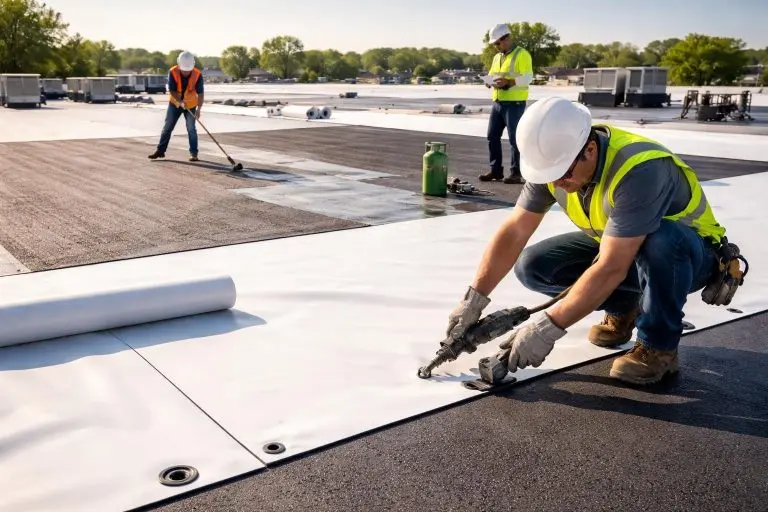
Thermoplastic Polyolefin (TPO) and Ethylene Propylene Diene Monomer (EPDM) dominate the commercial roofing market. TPO membranes offer heat-reflective properties that reduce cooling costs in Texas's intense summer heat. White TPO surfaces reflect solar radiation, maintaining lower roof temperatures and extending material lifespan.
EPDM provides proven durability with excellent weather resistance. Black EPDM absorbs heat, making it less ideal for Texas climates unless paired with reflective coatings. Both systems require skilled installation to ensure proper seam welding, flashing details, and drainage integration.
| Membrane Type | Primary Benefit | Texas Suitability | Typical Lifespan |
|---|---|---|---|
| TPO (white) | Heat reflection, energy efficiency | Excellent | 15-20 years |
| EPDM (black) | Weather resistance, proven performance | Good with coating | 20-25 years |
| Modified Bitumen | Durability, repair flexibility | Good | 12-20 years |
| Built-Up Roof | Multi-layer protection | Fair | 15-30 years |
Modified Bitumen and Built-Up Roofing
Modified bitumen systems combine asphalt with polymer modifiers to create flexible, durable membranes. Multiple installation methods-torch-applied, cold-applied, or self-adhered-accommodate different building requirements and fire code restrictions. These systems perform well in Texas climates when properly maintained.
Built-up roofing (BUR) involves layering tar and gravel to create redundant waterproofing. While less common on new construction, many existing Texas commercial buildings maintain BUR systems requiring specialized repair expertise.
Residential Roofing Materials and Performance
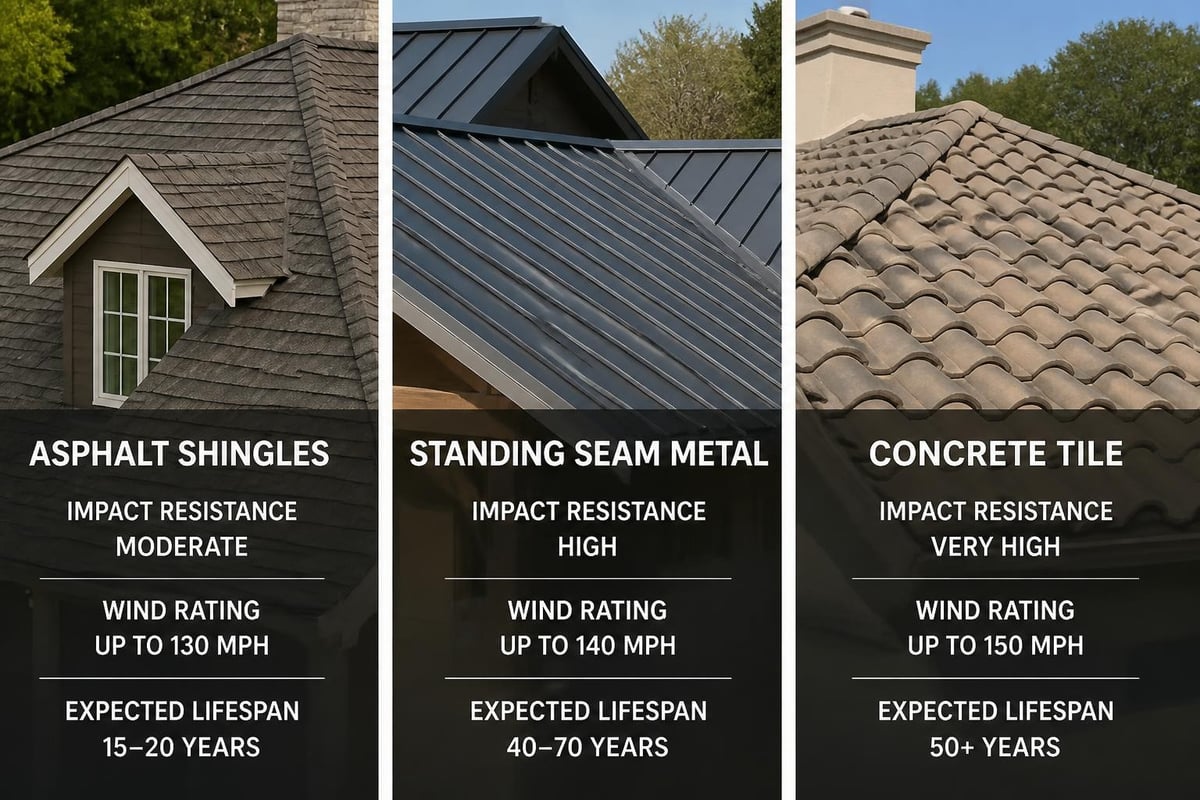
Texas homeowners typically select asphalt shingle, metal, or tile roofing systems. Each material offers distinct advantages regarding cost, longevity, weather resistance, and aesthetic appeal. Climate considerations significantly influence material performance across different Texas regions.
Asphalt Shingle Varieties
Asphalt shingles remain the most popular residential roofing material due to affordability and versatile styling. Three-tab shingles provide basic protection at the lowest cost, while architectural (dimensional) shingles offer enhanced durability and visual depth. Impact-resistant shingles receive Class 4 ratings for hail resistance, qualifying homeowners for insurance discounts in many cases.
Shingle Selection Factors:
- Wind resistance ratings (Class D, Class G, Class H)
- Impact resistance classification (Class 1-4)
- Manufacturer warranty terms and transferability
- Color options and architectural compatibility
- Algae resistance treatments for humid climates
Texas roofing services should specify shingles with minimum Class 4 impact ratings in hail-prone areas. The Fort Worth region experiences frequent severe weather events, making impact resistance a practical necessity rather than an optional upgrade.
Metal Roofing Performance
Metal roofing systems deliver exceptional longevity and weather resistance. Standing seam metal roofs shed water efficiently, resist wind uplift, and reflect solar heat. Corrugated metal provides economical coverage for agricultural buildings and simple residential structures.
Metal roofs excel in Texas applications due to fire resistance, minimal maintenance requirements, and energy efficiency. Initial costs exceed asphalt shingles, but lifecycle value often surpasses traditional materials when accounting for longevity and reduced cooling expenses.
Storm Damage Assessment and Documentation
Texas weather patterns generate significant roofing damage annually. Hailstorms, tornadoes, high winds, and heavy rainfall impact commercial and residential properties across all regions. Professional damage assessment provides the foundation for insurance claims and repair decisions. According to Texas roofing laws and legal requirements, contractors must navigate specific consumer protection statutes when responding to storm events.
Hail Damage Identification
Hail impact creates distinct damage patterns on different roofing materials. Asphalt shingles exhibit granule loss, bruising, and cracked fiberglass mats. Metal roofs show denting that compromises protective coatings. TPO and EPDM membranes display punctures or surface fractures depending on hailstone size and membrane thickness.
Professional texas roofing services document damage through detailed photography, measurement records, and material analysis. Comprehensive documentation includes:
- Roof-level photographs showing damage patterns and distribution
- Close-up images capturing individual impact points with measurement references
- Perimeter inspections documenting collateral damage to flashing, vents, and penetrations
- Written reports describing damage extent, affected areas, and recommended repairs
- Sample collection when material testing provides claim support
This documentation equips property owners with evidence for their insurance adjusters. Quality contractors provide inspection reports without filing, negotiating, or adjusting claims themselves, recognizing that claims handling requires appropriate licensing under Texas law.
Wind and Water Damage Documentation
High winds lift shingles, tear membrane seams, and compromise flashing details. Water intrusion follows wind damage, creating interior damage that extends claim scope. Contractors experienced in texas roofing services trace water infiltration to specific roof failures, correlating interior damage with exterior breaches.
Thermal imaging technology identifies moisture trapped in roof assemblies, revealing damage invisible during visual inspections. Moisture meters quantify saturation levels in decking and insulation. These diagnostic tools strengthen documentation and support accurate repair scopes.
Contractor Selection Criteria for Texas Properties
Evaluating roofing contractors requires examining multiple factors beyond initial pricing. The Texas roofing contractor regulations framework places responsibility on property owners to verify contractor qualifications, financial stability, and operational practices.
Crew Accountability and Subcontractor Practices
Many contractors subcontract installation work to third-party crews. This practice introduces quality control challenges, communication gaps, and warranty ambiguity. Property owners should clarify whether proposed contractors employ in-house crews or rely on subcontractors.
In-house crews provide consistent quality standards, direct accountability, and streamlined project management. The contractor maintains direct employment relationships, ensuring workers' compensation coverage, safety training, and quality oversight. When problems arise, property owners address concerns with the contractor directly rather than navigating subcontractor disputes.
Documentation and Communication Standards
Professional texas roofing services deliver detailed documentation throughout project lifecycles. Initial inspections produce written reports with photographs, measurements, and clear findings. Proposals specify materials by manufacturer and model number, installation methods, warranty terms, and project timelines.
Quality Documentation Components:
- Detailed scope of work with specific repair or replacement areas
- Material specifications including manufacturer, product line, and color selections
- Labor warranty terms separate from material warranties
- Project timeline with weather contingencies
- Payment schedule tied to completion milestones
- Cleanup and disposal procedures
Transparent communication extends beyond documentation. Contractors should provide direct access to project managers, respond promptly to questions, and maintain clean job sites with organized material staging. These operational details distinguish professional texas roofing services from price-driven competitors.
Inspection Requirements and Roof Maintenance
Regular inspections identify minor issues before they escalate into major failures. Commercial properties benefit from semi-annual inspections, particularly before and after severe weather seasons. Residential properties should receive professional inspections every 3-5 years, with additional inspections following significant weather events. The minimum inspection requirements for structural systems in Texas outline baseline standards for various building types.
Commercial Inspection Protocols
Commercial roof inspections systematically evaluate membrane condition, seam integrity, flashing details, drainage function, and penetration seals. Inspectors document findings with photographs and measurements, creating maintenance records that track roof performance over time.
Preventive maintenance programs address minor issues during scheduled visits. Contractors clean drains, reseal penetrations, patch small tears, and replace damaged flashing before leaks develop. These programs extend roof lifespan and prevent emergency repairs that disrupt business operations. For immediate concerns, emergency roof repair services provide rapid response when unexpected failures occur.
Residential Inspection Focus Areas
Homeowner inspections concentrate on shingle condition, valley integrity, flashing performance, and ventilation adequacy. Inspectors assess granule retention on asphalt shingles, checking for excessive loss that indicates aging or storm damage. Valley flashing receives close examination since these areas concentrate water flow and experience accelerated wear.
Attic inspections reveal ventilation deficiencies, moisture accumulation, and insulation issues that impact roof performance. Proper ventilation reduces heat buildup and moisture retention, extending material lifespan and improving energy efficiency. Professional texas roofing services identify ventilation improvements during routine inspections, recommending upgrades that enhance overall system performance.
Material Standards and Performance Specifications
Texas construction projects must comply with material standards established by state authorities and industry organizations. The Texas construction material standards govern roofing products, ensuring minimum performance thresholds for wind resistance, fire ratings, and structural capacity.
Manufacturer Certifications and Training
Reputable roofing contractors maintain manufacturer certifications demonstrating expertise with specific products. GAF, Owens Corning, CertainTeed, Carlisle, and other major manufacturers offer certification programs requiring installation training, quality standards compliance, and ongoing education.
Certified contractors access extended warranty options unavailable through non-certified installers. These warranties provide enhanced coverage terms, potentially including material and labor protection for 25-50 years depending on product selection and certification level.
| Certification Level | Training Requirement | Warranty Access | Inspection Frequency |
|---|---|---|---|
| Factory Certified | Initial training only | Standard warranties | Not required |
| Select Contractor | Annual training, volume requirements | Enhanced warranties | Annual manufacturer inspections |
| Master Elite/Pinnacle | Extensive training, high standards | Premium warranties | Semi-annual manufacturer inspections |
Energy Efficiency and Cool Roof Standards
Texas's climate makes energy-efficient roofing materials financially attractive. Cool roof technology reflects solar radiation and emits absorbed heat, reducing cooling loads and energy costs. The Cool Roof Rating Council (CRRC) rates products based on solar reflectance and thermal emittance values.
Commercial buildings benefit substantially from cool roof installations. White TPO membranes, reflective coatings, and light-colored metal roofs reduce roof surface temperatures by 50-60 degrees compared to traditional dark materials. Lower temperatures extend material lifespan, reduce thermal stress, and decrease air conditioning expenses.
Emergency Response and Same-Day Repairs
Active leaks demand immediate response to prevent escalating damage. Water intrusion compromises building materials, damages inventory, disrupts operations, and creates liability hazards. Texas roofing services equipped for emergency response provide critical value during crisis situations.
Commercial Leak Response Procedures
Commercial facilities cannot afford extended downtime from roof failures. Manufacturing operations, retail centers, office buildings, and warehouses require rapid leak resolution to maintain business continuity. Emergency response contractors mobilize crews immediately, arriving on-site within hours of initial contact.
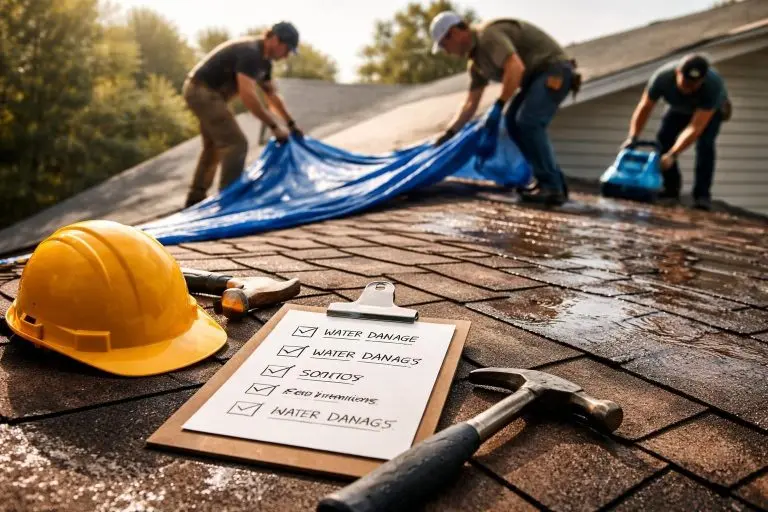
Emergency repairs focus on stopping active water intrusion through temporary measures or permanent solutions depending on damage extent and weather conditions. Contractors apply emergency patches, install temporary tarping, or complete permanent repairs when conditions permit. Documentation during emergency responses supports insurance claims while addressing immediate property protection needs.
Residential Emergency Services
Homeowners facing active leaks require prompt professional assistance. Storm damage, flashing failures, and sudden material deterioration create urgent situations demanding immediate attention. Emergency texas roofing services provide rapid assessment, temporary weather protection, and permanent repair coordination.
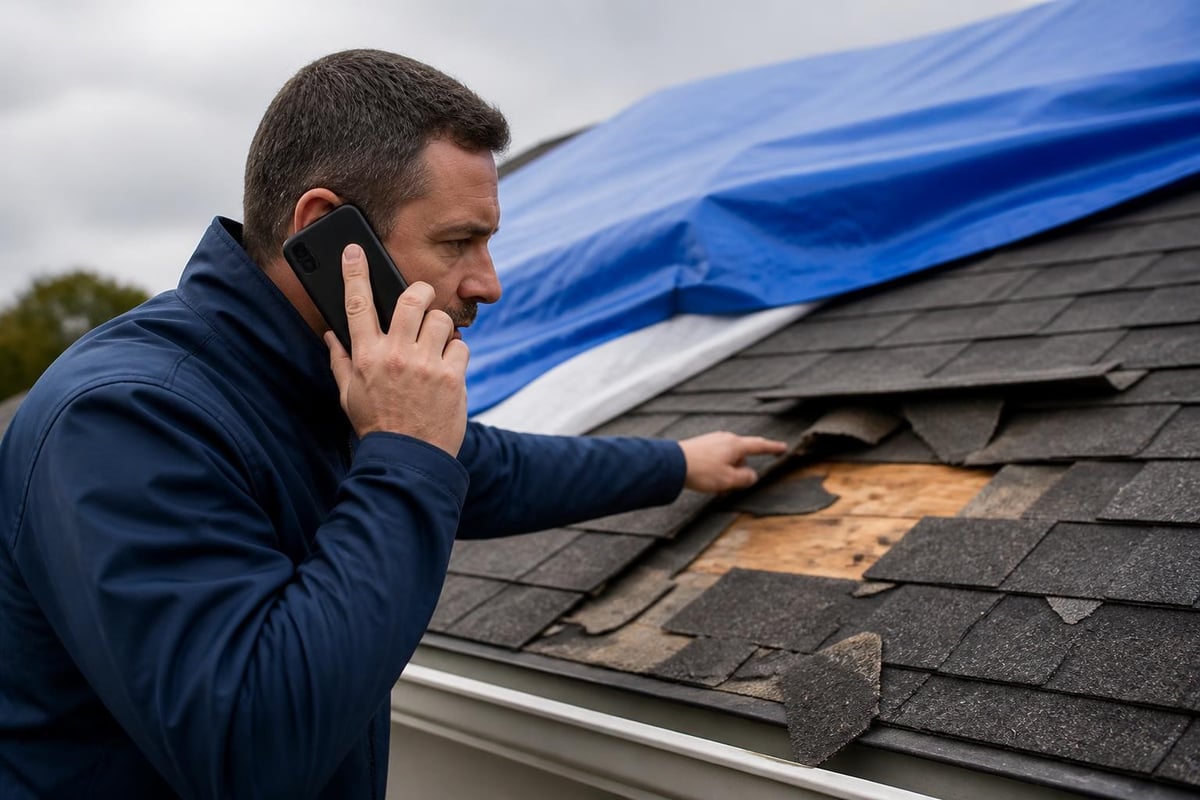
Temporary measures include tarping damaged areas, sealing penetrations, and channeling water away from vulnerable building components. These interventions prevent secondary damage while permanent repairs await material delivery, weather improvement, or insurance documentation completion.
Warranty Coverage and Long-Term Performance
Roofing investments require warranty protection covering both materials and labor. Understanding warranty terms, exclusions, and claim procedures ensures property owners receive promised coverage when issues arise. Texas roofing services should provide clear warranty documentation at project completion.
Material Warranties vs. Labor Warranties
Manufacturers warranty their products against defects for specified periods, typically 10-50 years depending on product quality. These warranties cover material replacement but exclude labor costs for removing defective products and installing replacements. Material warranties transfer to subsequent property owners under most manufacturer programs, adding value for properties sold during warranty periods.
Labor warranties protect against installation defects for contractor-specified periods. Quality contractors offer minimum five-year labor warranties, with some extending coverage to ten years or more. Labor warranty terms should specify covered work, response timeframes, and resolution procedures. For comprehensive guidance on navigating repairs and coverage, roof repair insurance resources provide valuable information.
Warranty Verification Checklist:
- Obtain written material warranty documents from manufacturer
- Confirm labor warranty terms in writing from contractor
- Verify warranty registration with manufacturer (required for some programs)
- Understand exclusion clauses regarding maintenance requirements
- Document warranty transfer procedures for property sales
- Clarify claim filing processes and required documentation
Maintenance Requirements for Warranty Validity
Most roofing warranties include maintenance requirements that void coverage if neglected. Manufacturers specify inspection frequencies, cleaning procedures, and repair timelines for identified issues. Property owners must document maintenance activities to demonstrate compliance if warranty claims arise.
Annual inspections with photographic documentation create maintenance records satisfying warranty requirements. Contractors providing texas roofing services should offer maintenance programs that handle inspection scheduling, documentation, and minor repairs as warranty-compliant services.
Cost Factors and Budget Planning
Roofing project costs vary based on building size, system complexity, material selection, and existing condition. Commercial projects price by square footage, accounting for membrane type, insulation requirements, and detail complexity. Residential projects similarly calculate costs per square (100 square feet), with adjustments for pitch, accessibility, and material choices.
Commercial Roofing Investment Analysis
Commercial property managers evaluate roofing investments through lifecycle cost analysis rather than initial expense alone. A TPO membrane costing more upfront may deliver lower total ownership costs than cheaper alternatives when accounting for longevity, maintenance requirements, and energy savings.
Lifecycle analysis considers:
- Initial installation costs including materials, labor, and project management
- Expected lifespan based on material type and maintenance program
- Annual maintenance expenses for inspections and preventive repairs
- Energy cost impacts from reflective vs. absorptive materials
- Warranty coverage reducing unexpected repair expenses
- Replacement timing and capital planning requirements
Property managers working with experienced texas roofing services receive lifecycle analysis supporting informed capital decisions. These analyses demonstrate return on investment for premium materials, preventive maintenance programs, and energy-efficient upgrades.
Residential Budget Considerations
Homeowners balance upfront costs against longevity and performance expectations. Asphalt shingles provide affordable solutions with 15-25 year lifespans depending on quality tier. Metal roofing costs double or triple shingle pricing but lasts 40-70 years with minimal maintenance.
Budget planning should account for financing options, insurance claim reimbursements, and potential energy savings. Many manufacturers offer financing programs through certified contractors, making premium materials accessible without large upfront payments. Insurance claims may cover storm damage repairs, reducing out-of-pocket expenses significantly.
Navigating Insurance Claims After Storm Damage
Storm damage creates insurance claim opportunities for property owners. Professional damage documentation supports claim submissions and ensures adjusters accurately assess repair requirements. Texas roofing services providing thorough documentation help property owners present complete claims to their insurance carriers.
Documentation for Insurance Adjusters
Insurance companies require comprehensive documentation substantiating damage claims. Property owners submit inspection reports with photographs, measurements, and professional assessments from qualified contractors. The documentation demonstrates damage extent, relates damage to specific weather events, and supports repair cost estimates. Resources on insurance claims for roof damage provide detailed guidance for property owners navigating this process.
Quality documentation includes roof-level photography showing damage distribution, close-up images of individual impact points, and contextual photos establishing weather event correlation. Written reports describe findings in technical terms, quantify damaged areas, and recommend appropriate repairs or replacement based on damage severity.
Working With Your Insurance Adjuster
Property owners submit documentation to their insurance adjusters, who evaluate claims based on policy terms and damage evidence. Adjusters may conduct independent inspections, comparing their findings against contractor documentation. Discrepancies sometimes arise, requiring additional documentation or clarification.
Contractors providing texas roofing services should make themselves available for adjuster questions without overstepping appropriate boundaries. Texas law restricts who may negotiate insurance claims, and contractors must avoid activities requiring public adjuster licensing. Professional contractors provide technical expertise supporting property owners while respecting legal limitations on claims involvement.
Selecting qualified texas roofing services requires evaluating regulatory compliance, technical expertise, insurance coverage, documentation practices, and long-term accountability. Property owners who verify contractor credentials, understand material options, and maintain proactive maintenance programs protect their roofing investments while minimizing unexpected failures. Whether managing commercial facilities or residential properties, partnering with contractors who deliver consistent quality through in-house crews, detailed documentation, and transparent communication ensures reliable performance under Texas's demanding climate conditions. Texcore Construction provides Fort Worth property owners with dependable roofing solutions backed by five-year labor warranties, manufacturer certifications, and same-day emergency response capabilities.