Tin Roofing Near Me: Benefits, Costs & Installation
Searching for "tin roofing near me" reflects a growing interest among property owners who want durable, long-lasting roofing solutions that can withstand harsh weather while providing excellent value. Tin roofing, often a term used interchangeably with metal roofing, has evolved significantly from the traditional corrugated panels of decades past. Today's metal roofing systems offer advanced coatings, enhanced durability, and aesthetic versatility that appeal to both residential and commercial property owners. Whether you're considering a complete roof replacement, planning new construction, or exploring alternatives to traditional asphalt shingles, understanding what tin roofing offers and how to find qualified installers in your area is essential for making an informed decision.
Understanding Modern Tin Roofing Materials
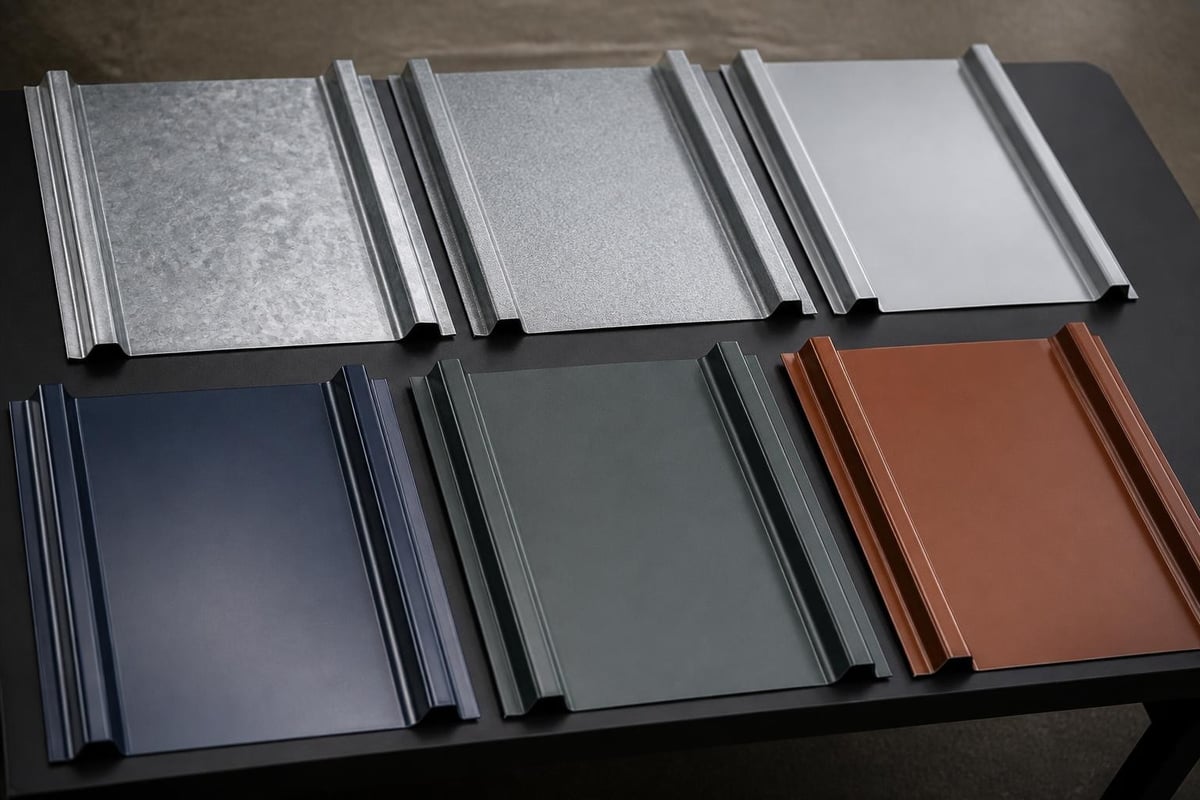
The term "tin roofing" traditionally referred to steel sheets coated with tin to prevent rust, but modern metal roofing encompasses a broader range of materials and technologies. Today's systems typically use galvanized steel, galvalume, aluminum, or zinc-coated steel panels.
Galvanized steel remains one of the most popular choices for metal roofing applications. This material features a zinc coating that protects the underlying steel from corrosion and oxidation. The zinc acts as a sacrificial barrier, corroding before the steel itself degrades.
Galvalume panels combine aluminum and zinc coatings to provide superior corrosion resistance, particularly in coastal or humid environments. This coating system offers approximately two to four times the corrosion resistance of standard galvanized steel.
Key material characteristics include:
- Gauge thickness: Ranges from 22 to 29 gauge, with lower numbers indicating thicker, more durable panels
- Panel profiles: Standing seam, corrugated, R-panel, and architectural styles
- Coating systems: Kynar, PVDF, and polyester finishes in various colors
- Underlayment compatibility: Works with synthetic, felt, and peel-and-stick barriers
Advantages That Drive Local Searches
Property owners searching for tin roofing near me are typically motivated by specific benefits that metal roofing provides over traditional materials. The benefits of tin roofs extend far beyond basic weather protection.
Exceptional longevity stands out as the primary advantage. While asphalt shingle roofs typically last 15 to 25 years, properly installed metal roofing systems can last 40 to 70 years with minimal maintenance. This extended lifespan significantly reduces long-term replacement costs.
Energy efficiency provides measurable savings on cooling costs. Reflective coatings on metal panels can reduce cooling costs by 10 to 25 percent by reflecting solar radiation rather than absorbing it. This becomes particularly valuable in warm climates where air conditioning represents a major utility expense.
| Benefit Category | Performance Metric | Comparison to Asphalt |
|---|---|---|
| Lifespan | 40-70 years | 2-3x longer |
| Wind Resistance | 120-140 mph | 30% higher |
| Fire Rating | Class A | Equivalent |
| Weight | 1-3 lbs/sq ft | 75% lighter |
| Energy Reflection | 25-95% | 5-10x better |
Weather resistance makes metal roofing ideal for areas prone to severe storms, hail, or high winds. Impact-resistant coatings and proper installation techniques ensure panels remain secure during extreme weather events.
Installation Considerations for Local Contractors
Finding qualified contractors when searching for tin roofing near me requires understanding what proper installation entails. The installation process for metal roofing involves specific techniques and safety protocols.
Proper substrate preparation ensures long-term performance. The existing roof deck must be inspected for structural integrity, rot, or damage before panels are installed. Many contractors recommend installing a high-quality underlayment that provides additional water resistance and thermal protection.
Critical Installation Steps
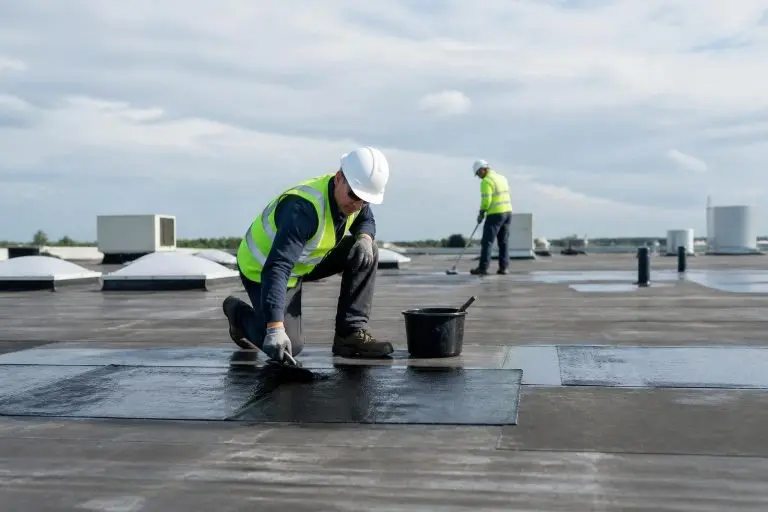
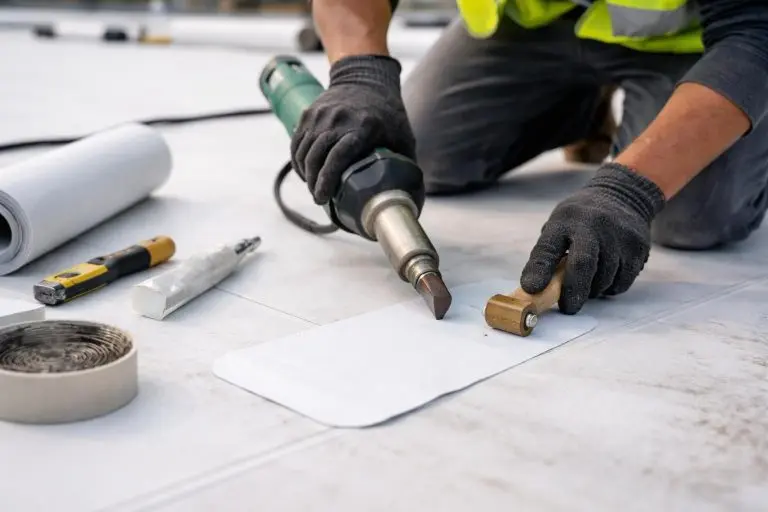
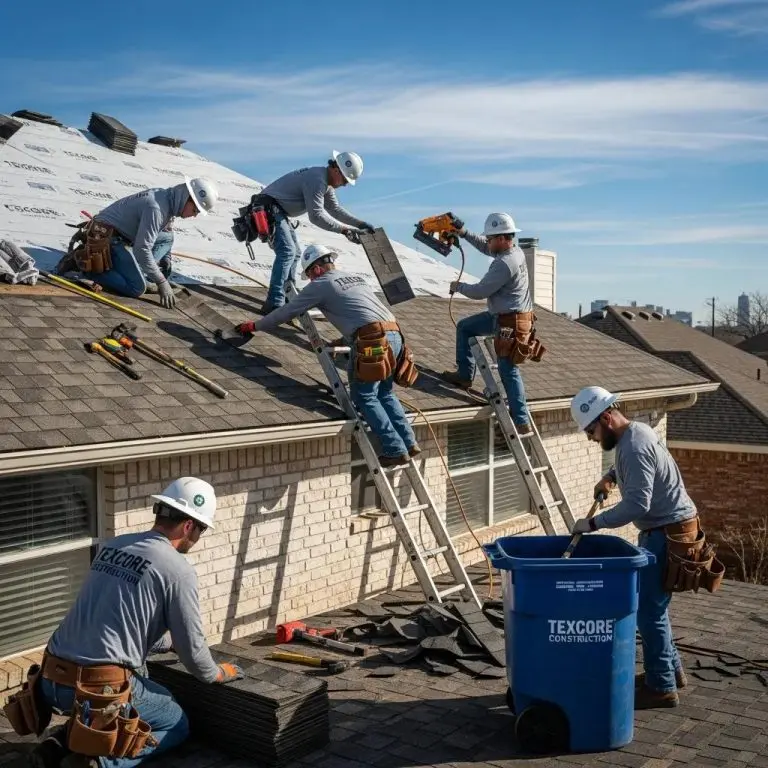
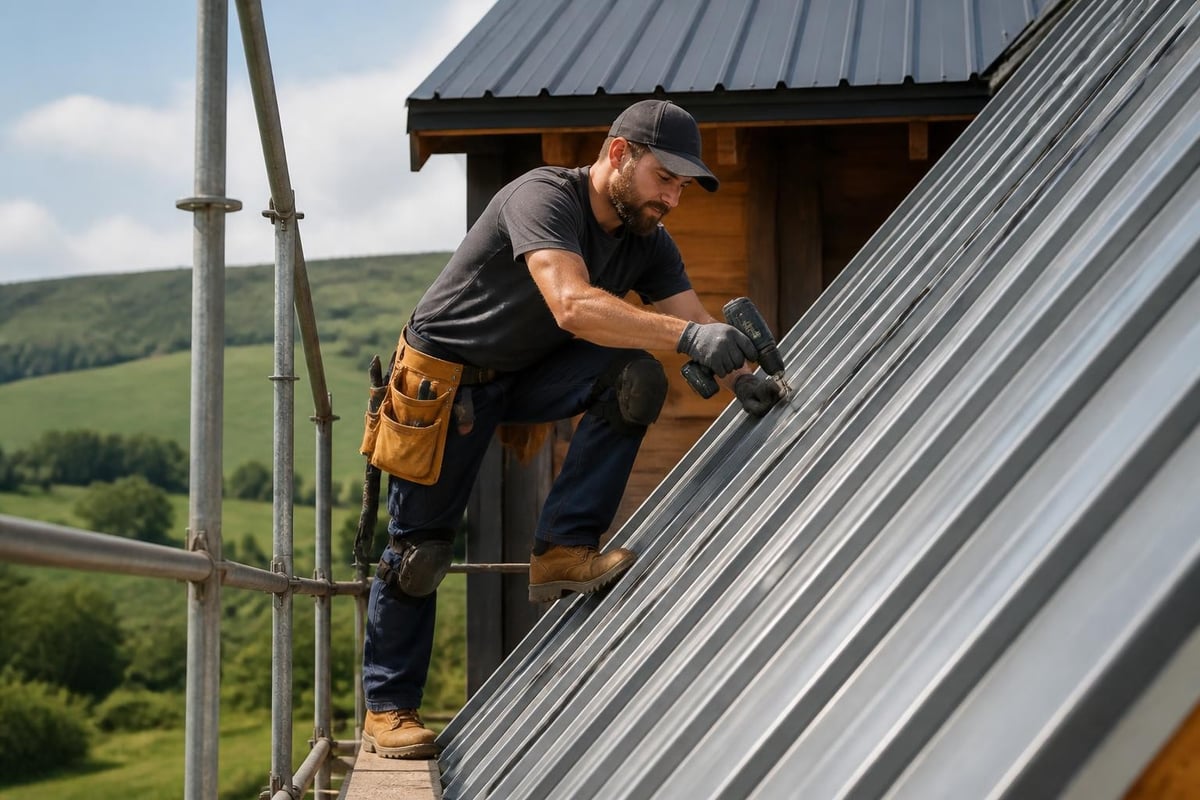
Professional installation begins with accurate measurements and material calculations. Metal roofing requires precise cuts and careful handling to prevent damage to protective coatings. Panels expand and contract with temperature changes, requiring specific fastening patterns that allow for thermal movement.
- Deck inspection and repair: Address any structural deficiencies or damaged sheathing
- Underlayment installation: Apply synthetic or felt underlayment according to manufacturer specifications
- Trim and flashing preparation: Install edge trim, drip edges, and valley flashing
- Panel layout and cutting: Measure and cut panels to proper lengths with minimal waste
- Panel fastening: Secure panels with appropriate fasteners at recommended intervals
- Ridge cap and trim completion: Install ridge caps, gable trim, and transition pieces
- Sealant application: Apply sealants at penetrations and critical junctions
- Final inspection: Verify proper installation and clean debris from work area
Fastener selection and placement significantly impact long-term performance. Exposed fastener systems require special attention to ensure proper sealing and prevent water infiltration. Standing seam systems use concealed clips that allow for thermal movement while maintaining watertight integrity.
Cost Analysis for Property Owners
Budget considerations drive many searches for tin roofing near me, making it essential to understand pricing structures and value propositions. Metal roofing installation costs vary based on material selection, roof complexity, and regional labor rates.
Material costs typically range from $3.50 to $8.00 per square foot for standard corrugated or R-panel systems. Premium standing seam systems with architectural profiles can cost $10.00 to $16.00 per square foot. These prices reflect materials only, not installation labor.
Labor costs add $3.00 to $7.00 per square foot depending on roof pitch, accessibility, and project complexity. Steep roofs, multiple penetrations, or complex valley configurations increase labor requirements and costs.
Total installed costs generally fall into these ranges:
- Economy corrugated systems: $6.50 to $10.00 per square foot installed
- Mid-range R-panel or ribbed: $8.00 to $12.00 per square foot installed
- Premium standing seam: $12.00 to $18.00 per square foot installed
- Architectural or specialty: $15.00 to $22.00 per square foot installed
Long-Term Value Calculations
While initial costs exceed asphalt shingle installations, the extended lifespan creates significant long-term savings. A metal roof that lasts 50 years eliminates the need for one or two complete reroofs during the same period, saving replacement costs, disposal fees, and installation disruption.
Insurance premiums may decrease with metal roofing installations. Many insurance providers offer discounts of 10 to 35 percent for impact-resistant and fire-resistant roofing materials. These annual savings compound over decades of ownership.
Energy savings provide measurable monthly benefits. Reflective coatings reduce attic temperatures by 15 to 30 degrees Fahrenheit during summer months, directly lowering air conditioning runtime and costs.
Finding Qualified Local Contractors
The search for tin roofing near me should focus on contractor qualifications, experience, and reputation rather than simply geographic proximity. Professional roofing contractors demonstrate specific credentials and capabilities.
Licensing and insurance represent non-negotiable requirements. Verify that contractors maintain current state licenses, general liability insurance, and workers' compensation coverage. Request certificates of insurance and confirm coverage directly with insurance providers.
Manufacturer certifications indicate specialized training and adherence to installation standards. Major metal roofing manufacturers offer certification programs that train contractors on proper installation techniques specific to their products.
Essential contractor qualifications include:
- Active state contractor license with roofing specialization
- Minimum $2 million general liability coverage
- Workers' compensation insurance for all crew members
- Manufacturer certifications for specified products
- Documented experience with metal roofing installations
- References from completed projects within past two years
- Written warranties covering both materials and labor
Evaluating Contractor Proposals
Professional proposals should provide detailed scope of work documents that specify materials, installation procedures, and project timelines. Vague estimates or verbal agreements create opportunities for misunderstanding and disputes.
Request itemized proposals that separate material costs, labor charges, preparation work, and disposal fees. This transparency allows accurate comparison between competing bids and identifies potential hidden costs. When managing insurance claims for roof damage, detailed documentation becomes essential for claim approval and reimbursement.
Compare warranty offerings carefully. Material warranties from manufacturers typically cover defects and coating failures for 20 to 50 years. Labor warranties provided by contractors should extend at least five years to cover installation defects.
Maintenance Requirements and Longevity
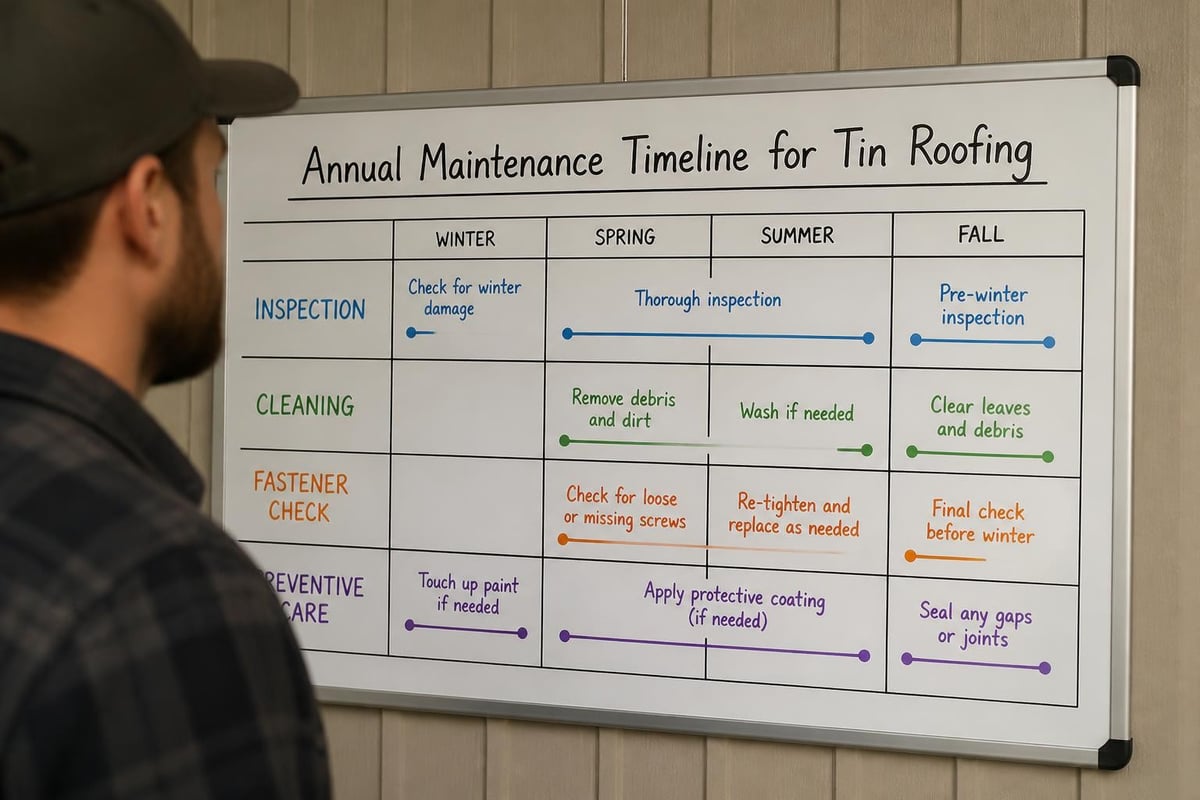
The maintenance needs of tin roofs remain minimal compared to other roofing materials, but regular inspections prevent small issues from becoming major problems. Understanding maintenance requirements helps property owners maximize their investment.
Annual inspections should examine fasteners, sealants, flashing, and coating condition. Walking on metal roofs requires caution to prevent denting or coating damage. Many contractors recommend twice-yearly inspections, particularly after severe weather events.
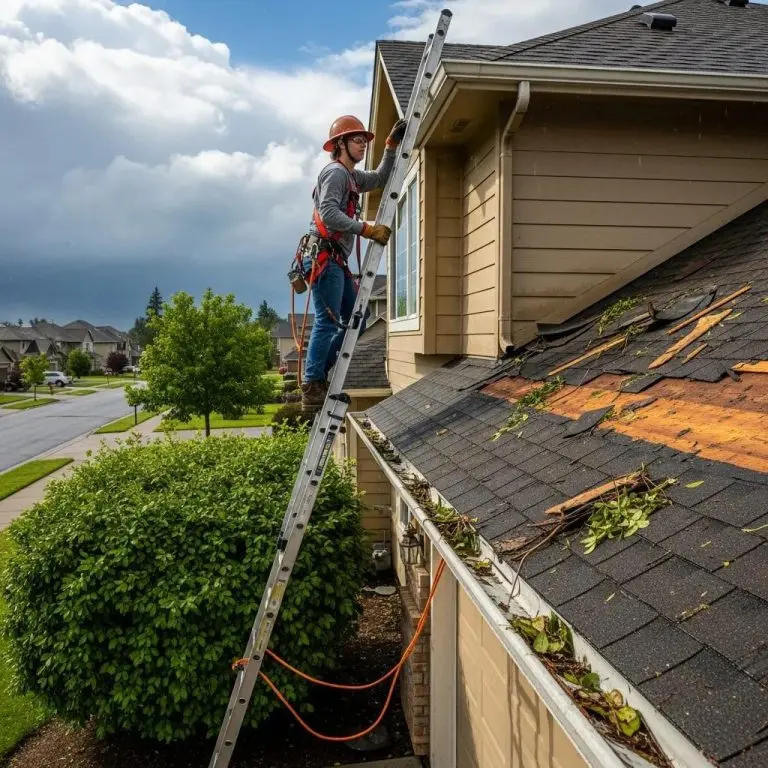
Debris removal prevents organic buildup that retains moisture and accelerates coating degradation. Leaves, branches, and pine needles should be cleared from valleys and panel seams where they tend to accumulate.
| Maintenance Task | Frequency | Purpose |
|---|---|---|
| Visual inspection | Twice yearly | Identify damage or wear |
| Fastener inspection | Annually | Check for loosening |
| Sealant examination | Annually | Verify integrity |
| Debris removal | Quarterly | Prevent moisture retention |
| Panel cleaning | As needed | Maintain appearance |
| Touch-up coating | Every 15-20 years | Extend coating life |
Common Issues and Solutions
Fastener backup represents the most common issue with exposed fastener systems. The rubber washers that seal fastener penetrations degrade over time from UV exposure and thermal cycling. Replacing degraded washers prevents water infiltration around fastener holes.
Panel movement and noise occur when thermal expansion allowances prove insufficient. Properly installed systems include expansion joints and proper fastener spacing to accommodate thermal movement without creating stress points or noise.
The factors affecting tin roof life expectancy include coating quality, fastener condition, and climate exposure. Coastal environments accelerate corrosion, requiring more frequent inspections and potentially premium coating systems.
Regional Considerations for Fort Worth Property Owners
Climate conditions in the Fort Worth area create specific requirements and opportunities for metal roofing installations. The combination of intense summer heat, occasional hail storms, and high winds makes metal roofing particularly suitable for North Texas properties.
Heat reflection becomes critical during summer months when roof surface temperatures can exceed 160 degrees Fahrenheit on traditional asphalt shingles. Light-colored metal roofing with reflective coatings can reduce surface temperatures by 50 to 70 degrees, significantly lowering cooling loads.
Hail resistance provides peace of mind during spring storm seasons. Impact-resistant coatings and proper gauge selection ensure panels withstand hail impacts that would damage or destroy asphalt shingles. Class 4 impact ratings, the highest available, are achievable with appropriate metal roofing systems.
Wind uplift resistance exceeds requirements for the Fort Worth area's wind zone. Properly installed metal roofing systems routinely withstand wind speeds of 120 to 140 miles per hour, well above typical severe thunderstorm wind velocities.
Storm Damage and Insurance Considerations
Property owners who experience storm damage should document conditions thoroughly before making repairs. Photographic evidence, professional inspections, and detailed damage assessments support insurance claims and ensure appropriate coverage.
Commercial roofing systems often require more extensive documentation due to larger surface areas and higher replacement costs. Working with experienced contractors who understand insurance requirements streamlines the claims process and supporting your insurance claim with thorough documentation.
Local building codes specify minimum requirements for wind resistance, fire ratings, and structural loads. Fort Worth's building department requires permits for complete reroofs, ensuring installations meet current standards and receive proper inspections.
Selecting the Right Metal Roofing System
Choosing among available metal roofing options requires balancing performance requirements, aesthetic preferences, and budget constraints. Different panel profiles serve different applications and architectural styles.
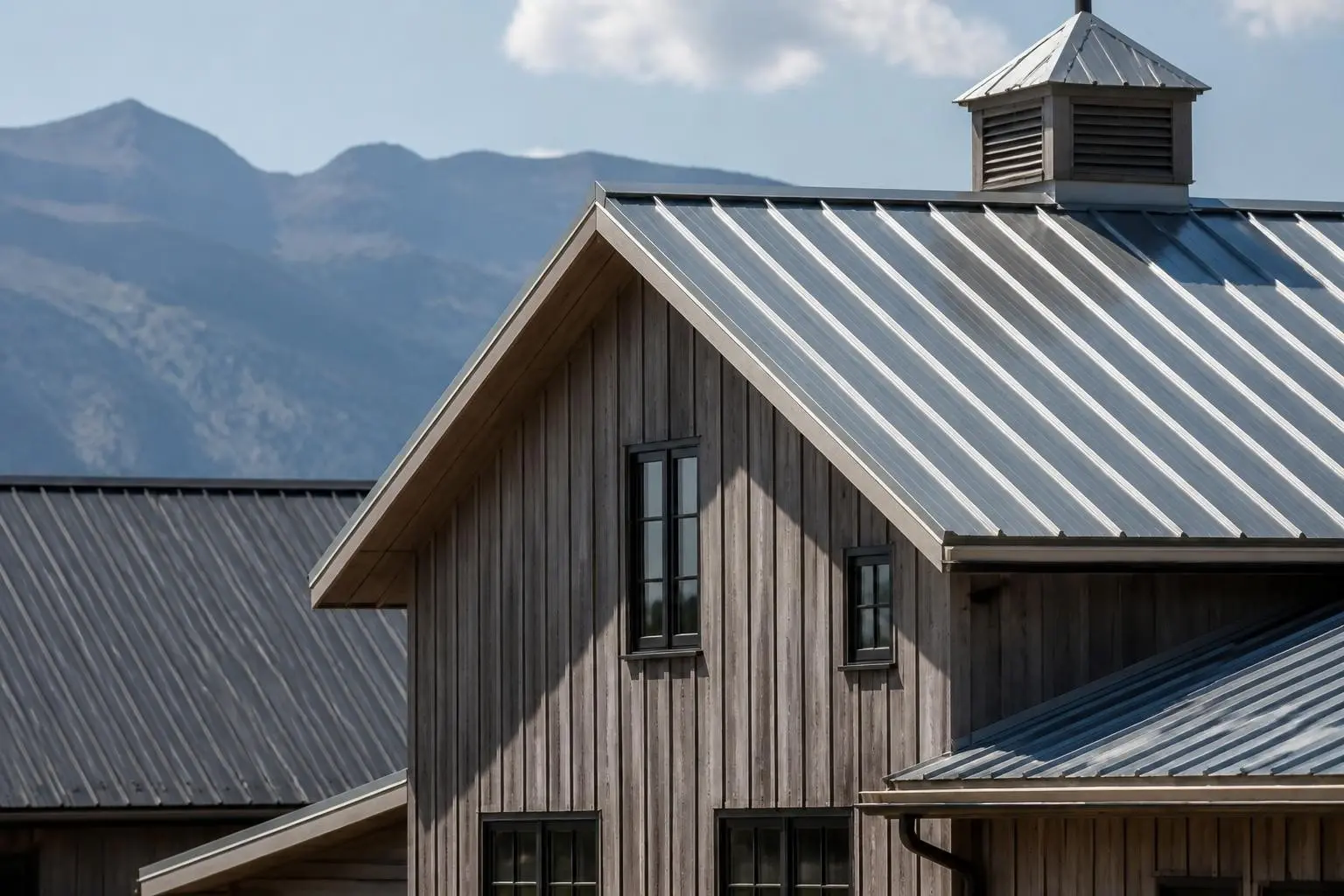
Standing seam systems provide the highest performance and longest warranties. Concealed fasteners eliminate puncture points in the roofing membrane, and thermal movement clips prevent stress on panels. These systems work particularly well for commercial applications and contemporary residential designs.
Corrugated and R-panel systems offer excellent value for agricultural buildings, warehouses, and utility structures. The exposed fastener design simplifies installation and reduces material costs while still providing decades of reliable service.
Architectural metal roofing mimics traditional materials like slate, tile, or wood shakes while providing metal's durability and performance. These premium systems appeal to property owners who want distinctive aesthetics with modern performance.
Panel profile selection considerations:
- Standing seam: Best for low-slope commercial roofs, contemporary designs, longest warranties
- R-panel: Economical choice for shops, barns, agricultural buildings
- Corrugated: Traditional appearance, DIY-friendly, moderate cost
- Stone-coated steel: Resembles traditional shingles, residential applications
- Metal shingles: Individual panel installation, repair flexibility
Color selection impacts both aesthetics and energy performance. Light colors reflect more solar radiation but may show dirt more readily. Dark colors complement traditional architecture but absorb more heat, potentially increasing cooling costs.
Working with In-House Crews Versus Subcontractors
The contractor's workforce structure significantly impacts project quality, timeline reliability, and accountability. Companies that maintain in-house crews provide distinct advantages over those relying on subcontractors.
Direct oversight ensures consistent quality standards across all installation phases. In-house crews receive ongoing training, follow company protocols, and understand quality expectations. This continuity eliminates communication gaps and reduces installation errors.
Scheduling reliability improves dramatically when crews work directly for the contractor rather than juggling multiple client obligations. In-house teams prioritize their employer's projects and respond quickly to timeline adjustments or unexpected conditions.
Quality control becomes more manageable with dedicated crews. Companies can implement standardized procedures, conduct regular training sessions, and maintain equipment to company standards. This consistency translates to fewer callbacks and higher customer satisfaction.
Communication clarity benefits from direct relationships between property owners and installation crews. Questions receive immediate answers, concerns get addressed promptly, and project adjustments happen efficiently without intermediary coordination.
When searching for roof repair services near me, verify whether contractors use their own crews or subcontract work to third parties. This distinction impacts warranty coverage, liability, and long-term service availability.
Documentation and Project Transparency
Professional roofing contractors provide comprehensive documentation throughout the project lifecycle. This transparency helps property owners understand exactly what work will be performed, what materials will be used, and what results to expect.
Detailed scopes of work eliminate ambiguity about project deliverables. These documents should specify panel type, gauge, color, fastener specifications, underlayment materials, flashing details, and disposal procedures. Clear scopes prevent disputes and ensure both parties share the same expectations.
Material specifications should reference manufacturer product numbers, colors, and finish types. This specificity ensures the correct products are ordered and installed, maintaining warranty validity and performance expectations.
Progress documentation through photographs creates a visual record of installation quality and proper technique application. These images prove valuable for warranty claims, insurance documentation, and quality verification.
Pre-Installation Inspections
Thorough inspections before installation begins identify existing conditions that might affect project scope or cost. Structural deficiencies, hidden damage, or code violations discovered during installation create delays and unexpected expenses.
Professional contractors document existing conditions with photographs and written descriptions. This baseline documentation protects both parties by establishing what conditions existed before work began and what improvements the project will deliver.
Substrate assessment determines whether additional preparation or structural reinforcement is necessary. Water-damaged sheathing, inadequate ventilation, or insufficient structural support must be addressed before new roofing installation proceeds.
Metal roofing delivers exceptional durability, energy efficiency, and long-term value for property owners willing to invest in premium roofing systems. Understanding material options, installation requirements, and contractor qualifications ensures successful projects that protect properties for decades. When you need expert metal roofing installation, storm damage assessment, or emergency repairs in the Fort Worth area, Texcore Construction provides the in-house crews, transparent documentation, and five-year labor warranties that ensure your investment delivers lasting performance and peace of mind.