Commercial Roof Replacement Costs in Fort Worth: Save Thousands
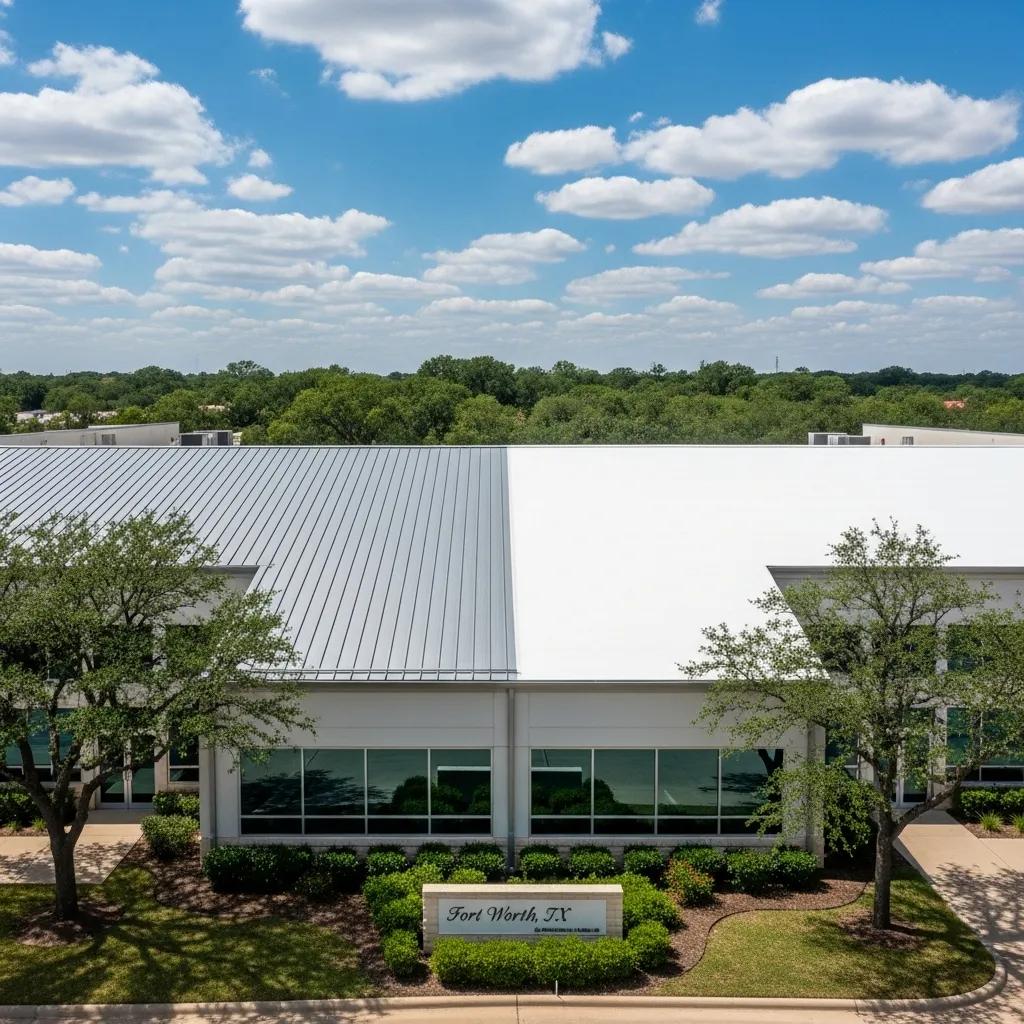
Commercial roof replacement in Fort Worth, TX typically runs $7–$25 per square foot installed — the range reflects differences in system type, building size, and existing deck condition. Texcore Construction works with property managers and building owners across DFW to scope replacement projects, provide detailed inspection reports, and complete full installations in TPO, metal, BUR, and modified bitumen systems. This guide breaks down real cost data, the factors that drive it, and strategies to protect your capital budget.
Commercial Roof Replacement in Fort Worth, TX: Understanding Costs and Strategies to Save Thousands
Commercial roof replacement represents a major capital expense for property owners in Fort Worth, TX. Understanding the costs, the factors that drive them, and practical cost‑saving strategies enables informed decision‑making and potential savings of thousands of dollars. This guide reviews replacement costs, mitigation strategies, principal cost drivers, recommended materials, insurance‑claim procedures, and contractor selection to provide a clear framework for planning and execution.
Key Takeaways
- Commercial roof replacement costs in Fort Worth typically range from $8,000 to $20,000 depending on materials and roof size.
- Choosing durable materials like metal roofing can increase lifespan and reduce long-term maintenance expenses.
- Regular inspections and timely repairs help extend roof life and prevent costly replacements.
- Obtaining detailed contractor estimates ensures transparency and helps avoid unexpected fees during roof replacement.
- Key cost factors include material prices, labor rates, permit fees, and removal of old roofing.
- Understanding insurance claim processes and documenting damage thoroughly improves chances of successful roof replacement funding.
- Reliable contractors should have proper licensing, insurance, manufacturer certifications, and local Fort Worth experience.
- Typical commercial roof replacement projects take 1 to 7 days, influenced by roof size and weather conditions.
- Advanced inspection techniques like aerial infrared thermography detect hidden moisture to prevent future roof damage.
Costs Involved in Commercial Roof Replacement
Costs for commercial roof replacement vary by project. On average, property owners can expect total replacement costs between $8,000 and $20,000, with per‑square‑foot pricing commonly in the $4.00 to $8.00 range. Primary cost drivers include roof area, pitch, chosen materials, and local labor rates.
The table summarises typical costs and expected lifespans for common roofing materials to help property owners align budget and long‑term needs.
Research offers additional guidance on optimising replacement decisions by incorporating energy performance and total cost of ownership considerations.
Optimal Commercial Roof Replacement: Energy Performance & Cost Analysis
ROOFER is a condition‑assessment tool used by facility managers to objectively assess roof condition and justify repair or replacement decisions. The current ROOFER methodology does not account for energy use or sustainability factors. This project aimed to integrate energy factors into an enhanced ROOFER approach to provide facility managers with alternative energy‑saving options. The Enhanced ROOFER output estimates total cost of ownership over the expected lifespan for alternative energy‑efficient roof types to determine an optimal roof‑replacement option based on maintenance, energy, and installation costs amortized over roof life.
ROOFER (TM) Energy Performance Assessment and Course of Action Analyses, 2018
With the principal costs identified, property owners should evaluate targeted strategies to reduce replacement expenses.
Strategies to Save Money
Property owners can adopt several measures to reduce commercial roof replacement costs. Annual inspections extend service life and allow timely repairs. Selecting materials that balance durability and lifecycle cost reduces long‑term expense. Obtaining detailed contractor estimates improves price transparency and helps avoid unforeseen charges.
- Regular Inspections : Conducting inspections at least once a year can identify potential issues early, preventing costly repairs later.
- Choosing the Right Materials : Opting for materials that offer durability and longevity can reduce replacement frequency and costs.
- Detailed Estimates : Requesting comprehensive estimates from contractors can help clarify costs and avoid unexpected expenses.
Applying these measures helps manage roofing costs while maintaining workmanship and performance standards.
What Are the Key Cost Factors in Commercial Roof Replacement in Fort Worth?
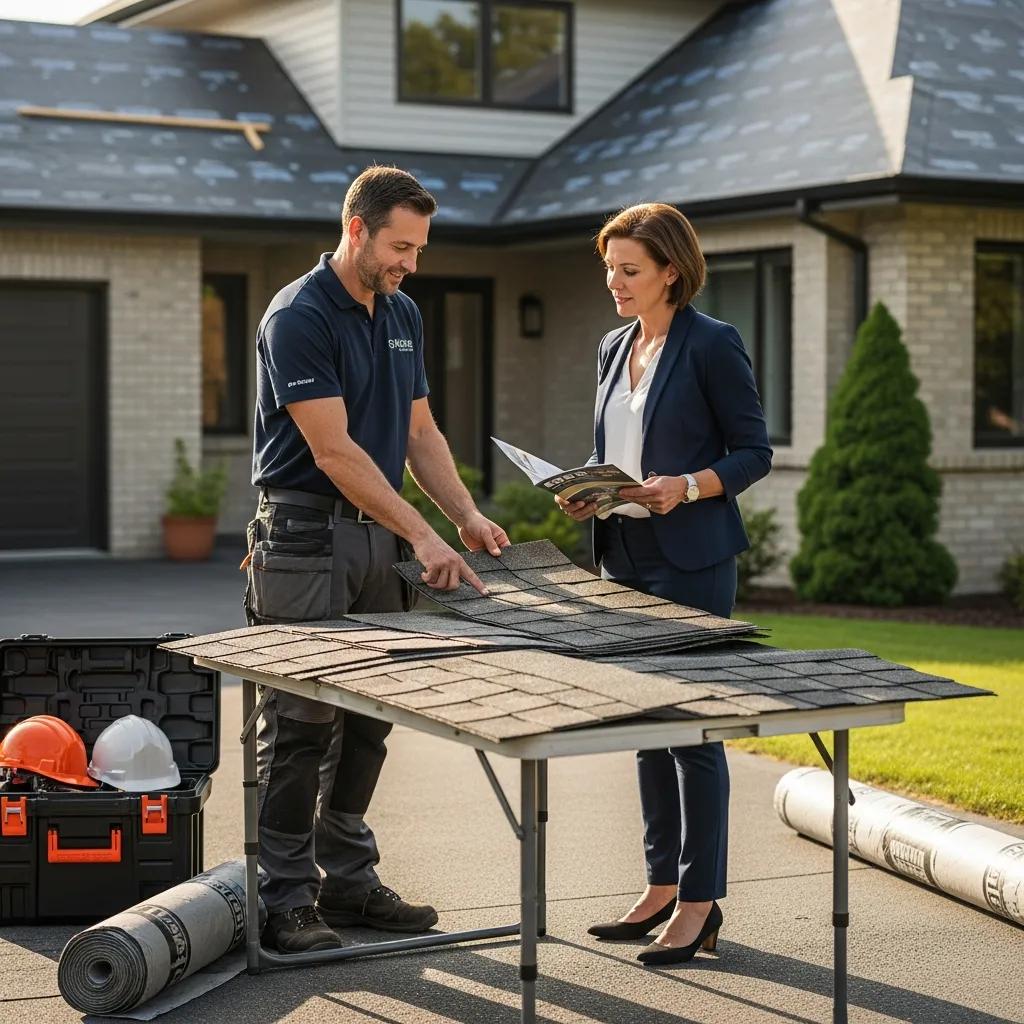
Several primary factors determine commercial roof replacement costs in Fort Worth. Recognising them supports accurate budgeting and procurement.
- Material Costs : The type of roofing material selected significantly impacts the overall cost. For instance, asphalt shingles are generally less expensive than metal roofing.
- Labor Expenses : Labor costs can vary based on the complexity of the project and local labor rates, typically ranging from $1.50 to $4.00 per square foot.
- Additional Fees : Property owners should also consider permit fees, which can range from $100 to $500, as well as any potential costs for removing the old roof.
Together, these elements determine the project’s final cost and should be evaluated before contracting.
Which Roofing Materials Are Best for Commercial Roof Replacement in Fort Worth?
Material selection should reflect durability, cost, and expected service life. Common options for Fort Worth commercial roofs include:
- Metal Roofing : Known for its longevity, metal roofing can last between 40 to 70 years and is resistant to severe weather conditions. However, it comes with a higher initial cost, ranging from $6.00 to $12.00 per square foot.
- TPO Roofing : This material is popular for its energy efficiency and moderate cost, typically falling between $5.00 to $8.00 per square foot, with a lifespan of 20 to 30 years.
- Modified Bitumen : Offering a lifespan of 15 to 25 years, modified bitumen is a cost-effective option for flat roofs, providing good durability at a moderate price.
Selecting an appropriate material is essential to achieve the desired longevity and performance.
What Are the Advantages and Disadvantages of TPO, EPDM, and Metal Roofs?
Each material presents distinct benefits and limitations; property owners should weigh these when selecting a system.
- TPO : Advantages : Energy efficiency and cost-effectiveness. Disadvantages : Limited lifespan compared to metal roofing.
- EPDM : Advantages : Excellent durability and resistance to weathering. Disadvantages : Aesthetic limitations, as it typically comes in black.
- Metal Roofing : Advantages : Longevity and resistance to severe weather. Disadvantages : Higher initial cost compared to other materials.
Assessing these trade‑offs enables an informed material choice aligned with operational priorities.
How Do Material Choices Impact Long-Term Maintenance and Durability?
Material choice directly affects maintenance requirements and long‑term durability. For example, metal roofing generally requires minimal maintenance due to resistance to rot and pests, while TPO benefits from regular inspections to preserve performance.
- Metal Roofing : With a lifespan of 40 to 70 years, it requires minimal maintenance, making it a cost-effective long-term investment.
- TPO : While it offers good energy efficiency, it requires regular inspections to maintain its performance and prevent leaks.
- EPDM : This material is durable but may require periodic repairs to address wear and tear.
The initial material decision influences both upfront costs and ongoing maintenance liabilities.
How Can Commercial Property Owners Navigate Roof Insurance Claims in Fort Worth?

Navigating roof insurance claims requires systematic documentation and strict adherence to policy terms. Key steps include:
- Assess and Document Damage : Take detailed photos and notes of any damage to support your claim.
- Understand Your Insurance Policy : Familiarize yourself with your coverage details to know what is included.
- File the Claim : Submit your claim with all necessary documentation to your insurance provider.
Following these procedures can simplify the claims process and improve the likelihood of securing adequate funding.
What Is the Step-by-Step Process for Filing a Commercial Roof Insurance Claim?
Filing a commercial roof insurance claim follows a defined sequence:
- Initial Consultation : Schedule a meeting with a roofing contractor to assess the damage and discuss potential repairs.
- Work with Adjusters : Collaborate with your insurance adjuster to provide documentation and clarify any questions they may have.
- Select a Contractor : Choose a reputable contractor to perform the necessary repairs or replacement.
This structured approach helps secure appropriate compensation for required repairs or replacements.
How Does Expert Insurance damage documentation Save You Money?
Thorough photo documentation and an accurate scope report often reduce costs by making the damage clear to your adjuster. Specialists provide focused support in key areas, including:
- Thorough Documentation : Keeping detailed records of damage and repairs can strengthen your claim.
- Avoiding Common Pitfalls : Experienced professionals can guide you through the process, helping you avoid mistakes that could lead to claim denials.
- Seeking Professional Help : Consulting with experts can provide insights into supporting your insurance claim with thorough documentation and ensuring you receive fair compensation.
Engaging experienced advisers helps property owners navigate claim complexity and pursue full, fair settlements.
What Are the Typical Timelines and Project Steps for Commercial Roof Replacement?
Understanding standard timelines and project stages enables effective planning. The replacement process typically includes:
- Initial Consultation and Inspection : Schedule a meeting with a contractor to assess the roof’s condition.
- Project Scope and Material Selection : Review inspection findings and choose appropriate materials for the replacement.
- Cleanup and Final Walkthrough : After installation, ensure that the site is clean and conduct a final inspection with the contractor.
These steps constitute a clear project roadmap for property owners to follow.
How Long Does a Commercial Roof Replacement Usually Take in Fort Worth?
Project duration varies according to roof size, complexity, and weather. Most commercial roof replacements are completed within one to seven days.
Factors affecting the duration include:
- Size of the Roof : Larger roofs will naturally take longer to replace.
- Weather Conditions : Adverse weather can delay the project, so planning around seasonal conditions is essential.
Recognising these schedule drivers helps set realistic expectations for completion.
What Are the Critical Phases from Inspection to Completion?
Critical project phases are as follows:
- Initial Consultation : Meet with a contractor to discuss the project scope and expectations.
- Scheduling and Installation : Confirm project dates and begin the installation process.
- Warranty Coverage : Ensure that comprehensive documentation is provided for warranty purposes.
These phases define the essential steps required to complete a successful roof replacement.
How Do You Choose Reliable Commercial Roofing Contractors in Fort Worth?
Selecting a reliable contractor is essential to ensure quality, compliance, and accountability. Key selection criteria include:
- Licensing and Insurance : Verify that the contractor holds a valid state license and insurance coverage.
- Manufacturer Certifications : Look for contractors with certifications from roofing material manufacturers, indicating their expertise.
- Local Experience : Choose contractors familiar with Fort Worth’s building codes and regulations.
Applying these criteria assists property owners in identifying competent and compliant contractors for their projects.
Contractor selection requires careful evaluation of multiple criteria to ensure the best fit for a given project.
Selecting Reliable Commercial Roofing Contractors
Maintain a list of potential contractors to invite to tender for regular projects, or compile a project‑specific list for individual procurements. Include clear bid evaluation criteria when assessing submissions.
Criteria for contractor selection, Z Hatush, 1997
What Credentials and Experience Should You Look For?
When evaluating contractors, prioritise the following credentials:
- Check Credentials : Ensure that the contractor is insured to protect yourself from liability.
- Read Reviews : Look for online reviews and testimonials to gauge the contractor’s reputation.
- Obtain Detailed Estimates : Request written estimates to compare pricing and services offered.
These measures support informed contractor selection and reduce procurement risk.
How Does Texcore Construction Ensure Quality and Accountability?
Texcore Construction is committed to delivering high‑quality roofing services in Fort Worth. The company employs in‑house crews to maintain consistent workmanship across projects. Clear communication with clients is prioritised to ensure transparency throughout the process. Texcore also emphasises the use of quality materials to enhance durability and performance, ensuring clients receive measurable value for their investment.
What Maintenance Practices Help Extend the Life of Your Commercial Roof?
Regular maintenance extends commercial roof service life. Key practices include:
- Regular Inspections : Conducting inspections at least once a year to identify potential issues early.
- Timely Repairs : Address minor issues promptly to prevent them from escalating into major problems.
- Documentation : Keep records of inspections and repairs to track the roof’s condition over time.
Consistent application of these practices substantially increases the roof‘s longevity.
Which Routine Inspections and Repairs Are Essential?
- Visual Checks : Regularly inspect the roof for visible issues such as cracks or missing shingles.
- Advanced Techniques : Utilize infrared scans to detect hidden moisture or insulation issues.
- Recommended Repairs : Address minor issues promptly to prevent costly repairs in the future.
Routine inspections and targeted repairs preserve roof integrity and extend service life.
Advanced techniques such as aerial infrared thermography are particularly effective at identifying concealed issues that materially affect a roof‘s longevity and replacement costs.
Save on Roof Replacement: Aerial Infrared Moisture Detection
High‑resolution infrared cameras and established techniques have demonstrated strong capability to locate moisture in built‑up roofing from altitudes up to 1,500 feet. For very large areas, aerial infrared is typically the most cost‑effective non‑destructive method and can survey extensive surfaces rapidly. Infrared methods can identify moisture damage not visible in a standard visual inspection, enabling early repairs that extend the life of built‑up roofs and reduce the frequency of costly replacements.
An Investigation of Using Aerial Infrared Thermography for Locating Subsurface Moisture in Built-up Roofing, 1982
How Does Regular Maintenance Reduce Future Replacement Costs?
Proactive maintenance enables early detection of defects and delivers the following benefits:
- Cost Savings : Addressing minor problems before they escalate can save significant repair costs.
- Extended Lifespan : Regular care can increase the longevity of the roof, delaying the need for a full replacement.
- Improved Performance : Well-maintained roofs perform better, providing better protection against the elements.
By prioritizing maintenance, property owners can keep roofs in optimal condition and reduce long‑term expenses.
To further assist you with your
needs, consider reaching out to a
in Fort Worth for a consultation.
For property owners in Fort Worth, TX, understanding the nuances of roofing insurance claims is crucial. With appropriate guidance, the claims process can provide the funds necessary to complete repairs or replacements.
When it comes to selecting the right roofing service, consider Texcore Construction for reliable, professional assistance; their experience can support successful project delivery.
For those considering a new roof, reviewing options for commercial roofing in Fort Worth provides practical insight into available materials and installation considerations.
Frequently Asked Questions
What factors should I consider when choosing roofing materials for my commercial property?
When selecting commercial roofing materials, evaluate durability, upfront cost, expected lifespan, and energy performance. Metal roofing delivers long service life and strong weather resistance, while TPO provides energy efficiency. Consider local climate and building codes for compliance and performance. Finally, assess maintenance needs and projected return on investment to make a well‑informed decision.
How can I ensure my commercial roof replacement stays within budget?
To control replacement costs, obtain multiple detailed estimates from reputable contractors to compare scope and pricing. Establish a contingency fund for unforeseen conditions. Maintain regular inspections and timely repairs to delay full replacement. Choose materials that balance initial cost with long‑term durability to maximise investment value.
What are the common mistakes to avoid during the roof replacement process?
Common mistakes include inadequate contractor vetting, failing to obtain several estimates, and not reviewing warranty terms. Owners often underdocument damage for insurance claims. Maintain clear communication regarding expectations and timelines. Avoid selecting the lowest bid without assessing quality, as poor workmanship or materials can raise long‑term costs.
How can I prepare my property for a commercial roof replacement?
Prepare the site by clearing access for crews and equipment. Notify tenants or staff to minimise disruption. Secure or remove valuables from the work area to prevent damage. Confirm any contractor‑specified preparations, such as permits or scheduled inspections.
What should I expect during the roof replacement process?
Expect a sequence of phases: an initial inspection, definition of project scope and material selection, removal of the existing roof, necessary structural repairs, installation of the new roofing system, site cleanup, and a final walkthrough to confirm completion and satisfaction.
How can I verify the credentials of a roofing contractor?
Verify licensing and insurance, confirm required permits, and check for manufacturer certifications. Review online testimonials and request references from past clients to assess workmanship and professionalism. These steps reduce risk and help ensure contractor reliability.
Conclusion
Understanding the costs and strategies for commercial roof replacement empowers property owners to make decisions that can yield substantial savings. Selecting durable materials and qualified contractors supports long‑term performance and reduced future expense. Regular maintenance and timely repairs further extend roof life. For project‑specific guidance, consult a trusted contractor.