Residential Roof Repair Services: Expert Guide
Homeownership comes with ongoing maintenance responsibilities, and few are more critical than maintaining your roof. Residential roof repair services encompass a wide range of specialized solutions designed to address everything from minor shingle damage to extensive storm-related deterioration. Understanding what these services include, how to evaluate repair needs, and how to select qualified contractors ensures your home remains protected while maximizing your roofing investment. This comprehensive guide examines the full scope of residential roof repair services, helping Fort Worth homeowners make informed decisions about maintaining their most important structural asset.
Understanding Residential Roof Repair Services
Residential roof repair services represent a distinct category within the roofing industry, focusing specifically on restoring existing roof systems rather than complete replacement. According to the National Roof Repair Authority, professional repair services address localized damage, component failures, and age-related deterioration through targeted interventions that extend roof lifespan and maintain weather protection.
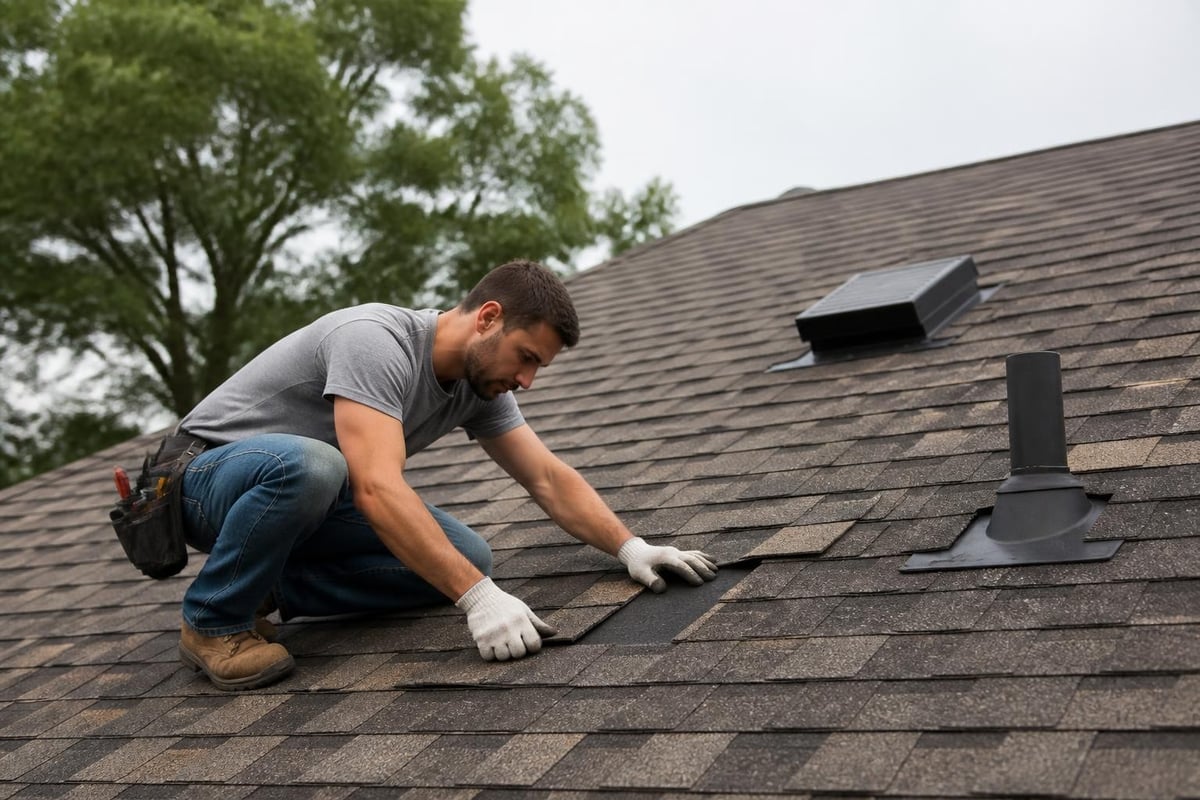
The scope of residential roof repair services includes shingle replacement, flashing restoration, valley repair, ridge cap replacement, and ventilation system correction. Professional contractors assess damage severity, identify underlying causes, and recommend appropriate repair strategies based on roof age, material condition, and performance requirements.
Common Repair Categories
Shingle and Surface Repairs
- Missing or damaged shingle replacement
- Granule loss treatment and assessment
- Cracked or curled shingle correction
- Storm impact damage restoration
- Wind uplift repair
Flashing and Waterproofing Repairs
- Chimney flashing replacement and sealing
- Skylight perimeter waterproofing
- Wall intersection flashing restoration
- Drip edge repair and installation
- Valley flashing correction
Structural and Component Repairs
- Decking replacement in damaged sections
- Ridge vent repair and replacement
- Soffit and fascia restoration
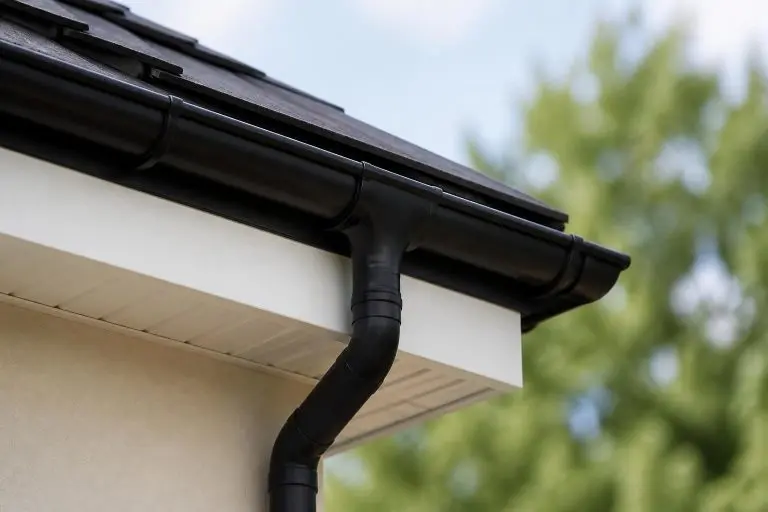
- Gutter system integration repair
- Penetration sealing and boot replacement
When Repair Makes Sense vs Replacement
Determining whether repair or replacement represents the better investment requires careful evaluation of multiple factors. The decision impacts both immediate costs and long-term performance, making accurate assessment essential for homeowners throughout Fort Worth and surrounding areas.
Age stands as the primary consideration when evaluating repair viability. Roofs in the first half of their expected lifespan typically benefit from targeted repairs, while systems approaching or exceeding expected service life often require full replacement regardless of current damage extent.
| Factor | Repair Recommended | Replacement Recommended |
|---|---|---|
| Roof Age | Less than 12-15 years | Over 15-20 years |
| Damage Extent | Localized (under 30% surface area) | Widespread (over 30% surface area) |
| Leak Pattern | Single location or limited areas | Multiple locations or systemic |
| Previous Repairs | Minimal repair history | Extensive repeat repairs |
| Budget Timeline | Immediate limited budget | Planning for long-term investment |
Damage Assessment Factors
Extent and pattern of damage provide critical decision-making data. Isolated storm damage affecting one roof section differs significantly from widespread deterioration indicating systemic failure. Professional inspection identifies whether damage represents an isolated incident or symptom of broader performance issues.
The National Roof Certification and Inspection Association emphasizes that qualified inspections should evaluate not just visible damage but underlying structural condition, ventilation adequacy, and potential hidden deterioration. Homeowners seeking thorough evaluation can benefit from comprehensive roof inspection services that document current conditions and provide clear repair versus replacement recommendations.
Remaining service life calculation determines whether repair investment makes economic sense. Spending significant resources on repairs for a roof nearing the end of its expected lifespan often proves less cost-effective than planned replacement with updated materials and improved performance characteristics.
Critical Repair Areas That Require Immediate Attention
Certain roof conditions demand urgent professional intervention to prevent escalating damage and protect interior spaces. Recognizing these critical situations helps homeowners prioritize repair needs and avoid costly secondary damage from delayed response.
Active Leaks and Water Intrusion
Water penetration represents the most urgent repair need for any residential property. Even minor leaks cause progressive damage to insulation, framing, electrical systems, and interior finishes. The roof vent pipe leak repair resource details how plumbing boot failures and vent penetrations create common leak points requiring specialized sealing techniques.
Same-day response to active leaks prevents water damage escalation and mold development. Professional contractors equipped for rapid response can temporarily secure compromised areas before executing permanent repairs during optimal weather conditions.
Storm and Impact Damage
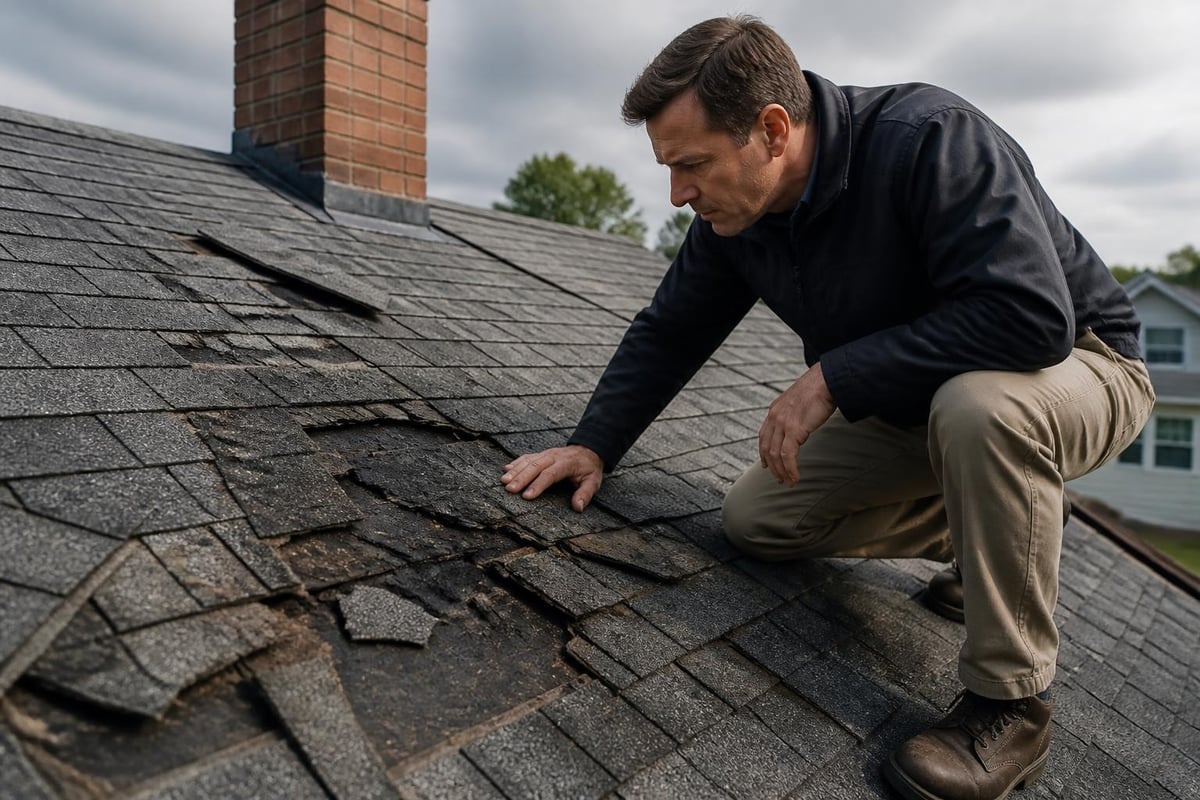
Hail, wind, and fallen debris create immediate vulnerabilities requiring prompt assessment and repair. Storm damage often affects multiple roof components simultaneously, including shingles, flashing, ventilation systems, and edge details. Fort Worth's severe weather patterns make storm damage one of the most common reasons homeowners need residential roof repair services.
Professional storm damage documentation provides homeowners with detailed inspection reports showing damage location, extent, and repair requirements. These reports support informed decision-making and provide necessary documentation for property records.
Flashing Failures and Penetration Issues
Flashing systems around chimneys, skylights, walls, and penetrations represent high-risk areas where water intrusion commonly develops. Metal flashing deteriorates through corrosion, physical damage, and improper installation, while sealant materials fail through UV exposure and thermal cycling.
Common Flashing Problem Areas:
- Chimney base and cricket intersections
- Skylight perimeter sealing
- Wall step flashing at roof-to-wall transitions
- Plumbing vent boot deterioration
- HVAC penetration sealing
Professional repair addresses both visible flashing damage and underlying installation deficiencies that contribute to premature failure. Quality repairs incorporate appropriate materials, proper overlap sequences, and adequate sealing to ensure long-term waterproof performance.
Selecting Qualified Residential Roofing Contractors
Contractor selection significantly impacts repair quality, project cost, and long-term roof performance. The residential roofing industry includes varying levels of expertise, equipment capability, and business practices, making careful evaluation essential for homeowners seeking reliable service.
Verification and Qualification Criteria
Insurance coverage protects homeowners from liability exposure during repair work. General liability insurance covers property damage and third-party injury, while workers' compensation protects against contractor employee injury claims. Requesting current certificates of insurance and verifying coverage directly with insurance carriers ensures adequate protection.
The National Roofing Authority outlines industry standards for residential roofing contractors, including appropriate insurance levels, safety protocols, and quality benchmarks. Texas does not maintain state-level roofing licensing, making manufacturer certifications and industry association memberships important qualification indicators.
Key Contractor Evaluation Points:
- Verified general liability and workers' compensation insurance
- Manufacturer certifications for specific roofing systems
- Established local business presence with physical location
- In-house crews versus subcontractor reliance
- Written warranty coverage for both materials and labor
- Detailed written estimates with scope specifications
The Subcontractor Question
Employment structure affects project consistency, communication clarity, and accountability. Contractors using in-house crews maintain direct control over workmanship quality, job site cleanliness, and project timeline adherence. Subcontractor-dependent businesses introduce additional variables affecting reliability and performance consistency.
Direct employment enables better quality control, consistent communication, and clearer accountability chains. When problems arise, homeowners work directly with the company performing the work rather than navigating between general contractors and subcontracted labor teams.
The Professional Repair Process
Understanding standard repair procedures helps homeowners set appropriate expectations and evaluate contractor professionalism. Quality residential roof repair services follow structured processes ensuring thorough damage assessment, appropriate material selection, and complete restoration.
Initial Inspection and Assessment
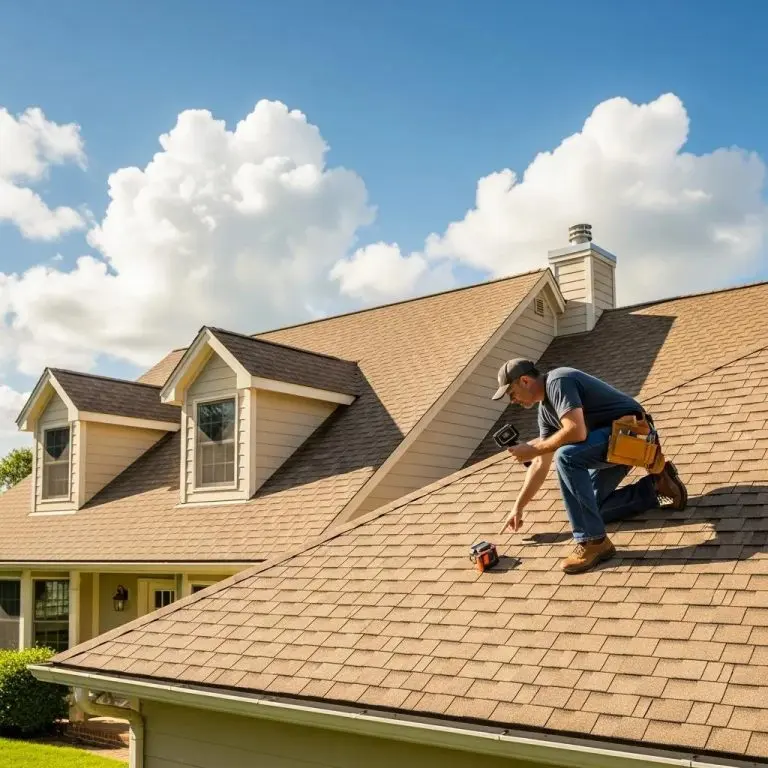
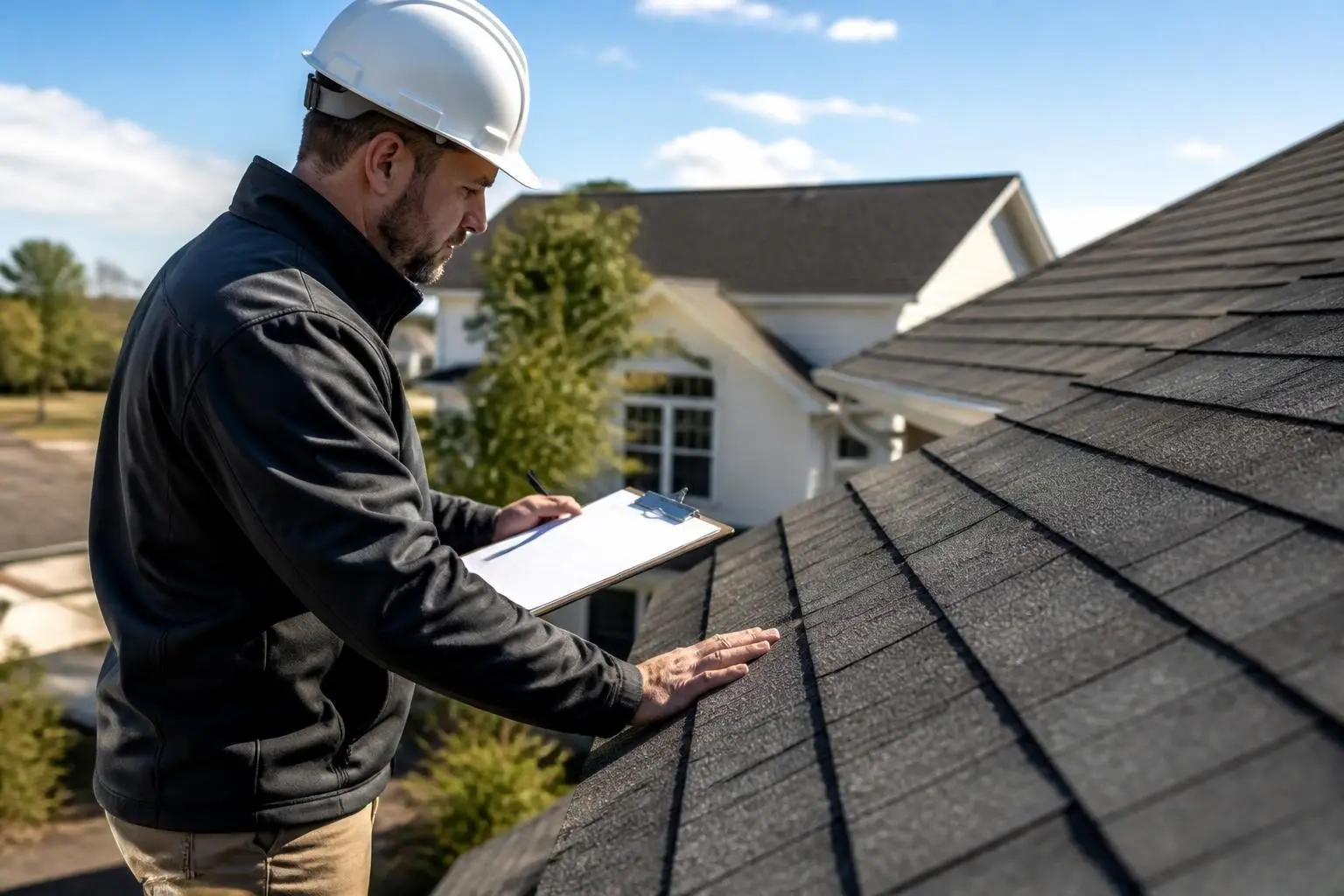
Professional evaluation begins with comprehensive roof inspection documenting current conditions, identifying damage causes, and determining appropriate repair strategies. Inspectors examine shingle condition, flashing integrity, ventilation adequacy, structural soundness, and drainage performance.
Detailed documentation includes photographs showing damage location and extent, measurements quantifying affected areas, and written descriptions explaining observed conditions. This information supports accurate repair estimates and provides baseline documentation for future reference.
Standard Inspection Components:
- External surface examination from roof level
- Attic inspection for leak evidence and ventilation assessment
- Flashing and penetration evaluation
- Structural framing condition review
- Drainage system functionality check
Repair Execution and Quality Standards
Professional repair work follows manufacturer specifications and industry best practices to ensure lasting performance. This includes proper material selection matching existing roof components, correct installation sequencing, and appropriate sealing techniques.
Quality-focused contractors maintain clean job sites, protect landscaping and property features, and implement safety protocols throughout project duration. Daily cleanup prevents debris accumulation, while final inspections verify repair completeness before project closeout.
The repair process for specialized materials requires specific expertise. The tile roof repair resource explains how clay, concrete, and slate systems demand different handling techniques, replacement material sourcing, and installation methods compared to asphalt shingle roofs.
| Repair Phase | Duration | Key Activities |
|---|---|---|
| Initial Assessment | 1-2 hours | Comprehensive inspection and documentation |
| Estimate Preparation | 1-3 days | Detailed scope development and pricing |
| Material Procurement | 3-7 days | Sourcing matching materials and components |
| Repair Execution | 1-3 days | Actual repair work completion |
| Final Inspection | 1-2 hours | Quality verification and cleanup |
Material Selection and Matching Considerations
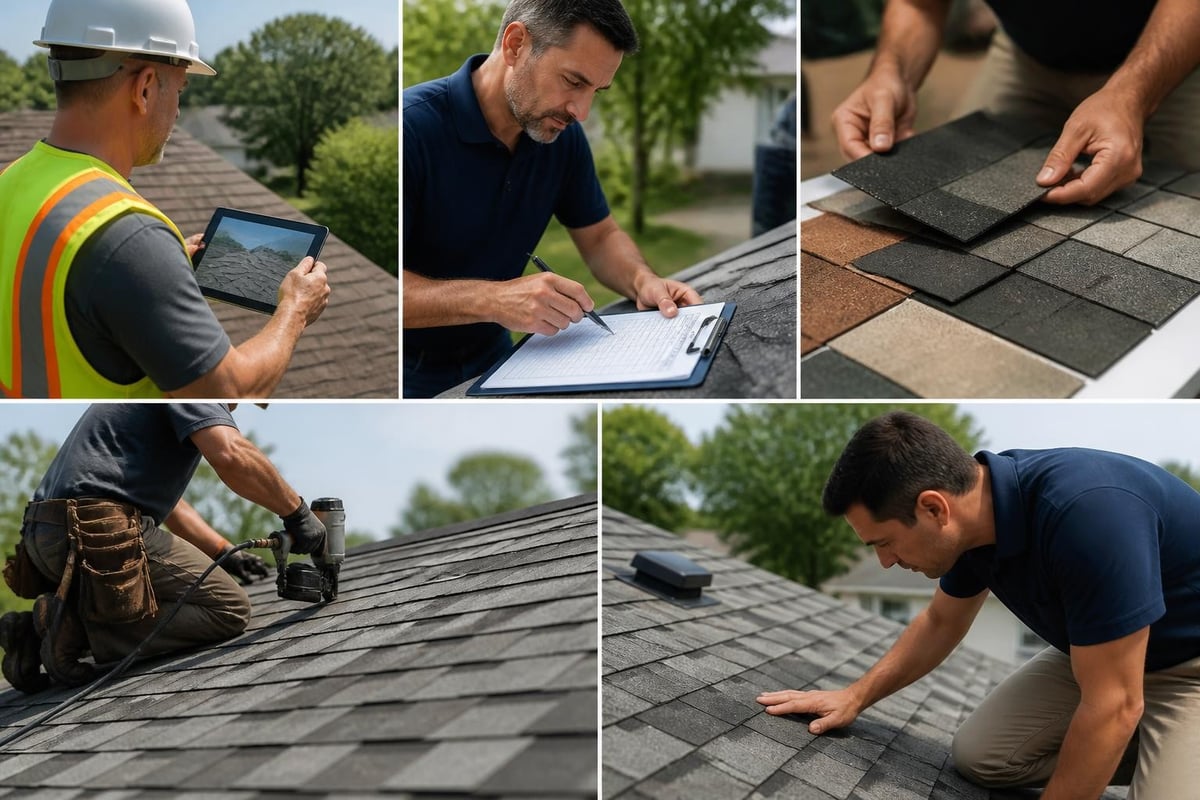
Successful residential roof repair services depend heavily on appropriate material selection that matches existing roof components in appearance, performance characteristics, and compatibility. Material mismatches create aesthetic inconsistencies and potential performance problems affecting long-term roof integrity.
Shingle Matching Challenges
Asphalt shingle color and texture variation between manufacturing runs creates matching difficulties for repair projects. Shingles age through granule loss, UV exposure, and weathering, causing color shifts that make new shingles visibly different from surrounding materials even when using identical product specifications.
Professional contractors address matching challenges through strategic material placement, utilizing aged inventory when available, and setting realistic homeowner expectations about visible differences. In some cases, replacing entire roof sections or planes provides better aesthetic results than attempting precise color matching.
Material Matching Strategies:
- Source materials from same manufacturer and product line
- Request shingles from older inventory lots when possible
- Consider full-plane replacement for visible roof sections
- Evaluate weather-side placement for less visible areas
- Discuss realistic appearance expectations with homeowners
Alternative Material Considerations
Different roofing materials present unique repair requirements and challenges. Metal roofing demands specialized fastening techniques and panel matching. Tile systems require careful removal procedures preventing collateral damage to adjacent tiles. Wood shake repairs involve matching wood species, cut patterns, and treatment specifications.
Understanding material-specific requirements prevents repair failures and ensures compatibility with existing roof systems. The roof replacement services resource explains when material condition, obsolescence, or discontinuation makes replacement more practical than repair attempts.
Cost Factors and Investment Considerations
Residential roof repair costs vary significantly based on damage extent, material requirements, access difficulty, and labor complexity. Understanding cost drivers helps homeowners budget appropriately and evaluate contractor estimates for reasonableness and completeness.
Primary Cost Components
Labor represents the largest cost component for most repair projects. Skilled roofing labor commands premium rates reflecting specialized expertise, safety requirements, and physical demands. Labor costs increase for steep-slope roofs, multi-story buildings, and projects requiring extensive safety equipment.
Material costs depend on roof type, replacement quantities, and availability. Common asphalt shingles remain readily available at moderate cost, while specialty materials like discontinued tile patterns or custom metal panels may require extended sourcing efforts and premium pricing.
Typical Repair Cost Ranges (Fort Worth Area, 2026):
- Minor shingle repair (10-20 shingles): $300-$600
- Moderate section repair (one roof plane): $800-$2,500
- Flashing replacement (chimney or skylight): $400-$1,200
- Valley repair or replacement: $600-$1,800
- Emergency leak repair with temporary securing: $500-$1,500
Hidden Cost Considerations
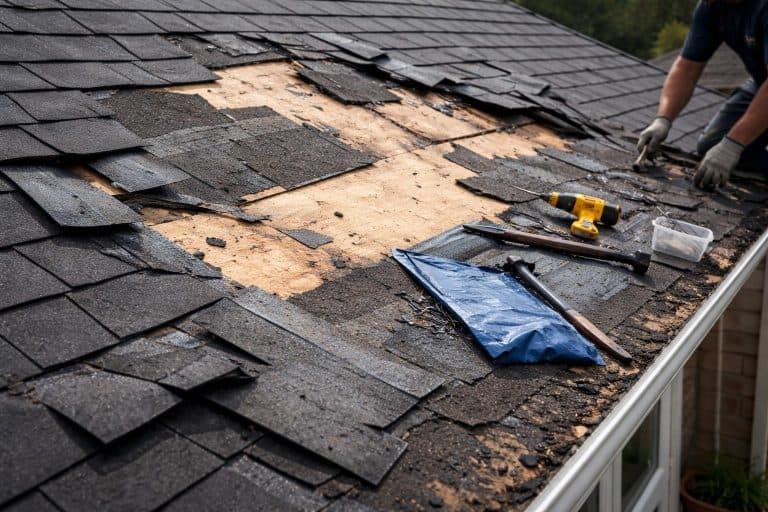
Decking damage discovered during shingle removal adds unexpected costs to repair projects. Water intrusion often compromises underlying plywood or OSB sheathing, requiring replacement before new roofing materials can be installed. Professional estimates should acknowledge potential hidden damage and establish procedures for handling unforeseen conditions.
Access difficulty increases labor costs when roof configuration limits safe working areas or requires extensive equipment setup. Homes with limited yard access, significant landscaping, or multi-story construction present logistical challenges affecting project pricing.
Warranty Protection and Long-Term Performance
Quality residential roof repair services include appropriate warranty coverage protecting homeowners against workmanship defects and premature failure. Understanding warranty terms, coverage limitations, and claim procedures ensures homeowners receive full value from warranty protection.
Labor Warranty Standards
Reputable contractors provide labor warranties covering installation defects and workmanship failures for specified periods following project completion. Five-year labor warranties represent industry standards for quality-focused contractors, though warranty periods vary from one to ten years depending on company policies and project scope.
Labor warranties typically cover repair costs for failures attributable to improper installation, material handling errors, or workmanship deficiencies. They exclude damage from subsequent storms, normal wear, or homeowner modifications. Reading warranty terms carefully prevents misunderstandings about coverage scope and claim requirements.
Standard Warranty Exclusions:
- Storm damage occurring after repair completion
- Homeowner modifications or DIY repairs
- Normal aging and weather-related deterioration
- Damage from other contractors or service providers
- Failure to maintain roof per manufacturer requirements
Material Warranty Considerations
Manufacturer warranties cover defects in roofing materials themselves, including premature granule loss, manufacturing defects, or performance failures. Material warranties remain separate from labor warranties and typically require registration within specified timeframes following installation.
Understanding the distinction between labor and material warranties helps homeowners identify responsible parties when problems develop. Material defects fall under manufacturer warranty coverage, while installation problems fall under contractor labor warranties.
Maintenance Strategies Following Repair
Professional residential roof repair services restore immediate performance, but long-term roof health depends on appropriate maintenance following repair completion. Proactive maintenance identifies developing problems early, extends roof lifespan, and protects repair investment value.
Recommended Maintenance Intervals
Annual inspections identify minor problems before they escalate into costly damage. Professional inspections examine overall roof condition, verify flashing integrity, check drainage functionality, and identify areas requiring attention. Scheduling inspections during spring or fall allows time for repairs before extreme weather seasons.
Post-storm inspections following significant weather events catch new damage early and prevent progressive deterioration. Even when no obvious damage appears from ground level, professional roof-level inspection may reveal compromised shingles, lifted flashing, or damaged components requiring prompt attention.
Maintenance Schedule Guidelines:
- Annual professional inspection (spring or fall)
- Post-storm inspection after severe weather
- Gutter cleaning twice yearly (spring and fall)
- Attic ventilation check annually
- Tree trimming to maintain clearance from roof surface
Preventive Measures
Simple preventive actions significantly extend roof lifespan and reduce repair frequency. Maintaining proper attic ventilation prevents heat and moisture buildup that accelerates shingle deterioration. Keeping gutters clear ensures proper drainage and prevents water backup under shingles along roof edges.
Tree management protects roofs from physical damage and reduces debris accumulation. Overhanging branches create abrasion points during wind events and drop leaves, pine needles, and other organic material that traps moisture and promotes deterioration. Maintaining clearance between tree canopies and roof surfaces prevents these problems.
For Fort Worth homeowners seeking reliable maintenance and repair services, working with local roofing contractors who understand regional weather patterns and common failure modes ensures appropriate preventive strategies and timely intervention when problems develop.
Emergency Response and Temporary Repairs
Severe weather and unexpected failures sometimes create urgent situations requiring immediate professional intervention. Understanding emergency response procedures and temporary repair capabilities helps homeowners protect their property when sudden roof damage occurs.
Same-Day Emergency Services
Critical leaks and storm damage demand rapid response preventing progressive water intrusion and secondary damage. Professional contractors offering emergency roof repair services provide immediate temporary securing through tarping, emergency patching, or temporary flashing installation.
Temporary repairs stabilize compromised areas until permanent restoration can be safely executed during appropriate weather conditions. Quality emergency services include damage documentation, clear communication about temporary versus permanent solutions, and scheduling coordination for complete repair completion.
Emergency Response Priorities:
- Stop active water intrusion through temporary securing
- Document damage extent and cause
- Protect interior spaces from further exposure
- Develop permanent repair plan and timeline
- Coordinate with homeowner on next steps
Tarping and Temporary Protection
Professional tarping prevents water intrusion while permanent repairs await material availability, insurance processes, or favorable weather conditions. Proper tarping extends beyond damaged areas, incorporates secure fastening preventing wind displacement, and uses appropriate materials resisting UV degradation and weathering.
Temporary repairs should never serve as permanent solutions. While tarps and emergency patches provide crucial short-term protection, they lack the durability, weather resistance, and structural integration of proper roofing systems. Establishing clear timelines for permanent repair completion prevents temporary measures from becoming neglected long-term conditions.
Maintaining residential roof integrity requires understanding repair service scope, recognizing when professional intervention becomes necessary, and selecting qualified contractors who deliver lasting solutions. From minor shingle replacement to extensive storm damage restoration, professional residential roof repair services protect your home investment while extending roof lifespan through expert assessment and skilled execution. When your Fort Worth home needs dependable repair services backed by detailed documentation, in-house crews, and transparent communication, Texcore Construction delivers the craftsmanship and accountability you deserve.