Roof Guttering: Complete Guide to Protection & Performance
Roof guttering serves as your property's first line of defense against water damage, channeling thousands of gallons away from foundations, walls, and landscaping throughout the year. For Fort Worth property owners facing intense summer storms and unpredictable weather patterns, a properly functioning gutter system prevents costly structural damage, erosion, and moisture intrusion that can compromise both residential and commercial buildings. Understanding how roof guttering works, recognizing when repairs or replacement are needed, and maintaining these critical components ensures your investment stays protected for decades.
Understanding Roof Guttering Systems and Their Critical Role
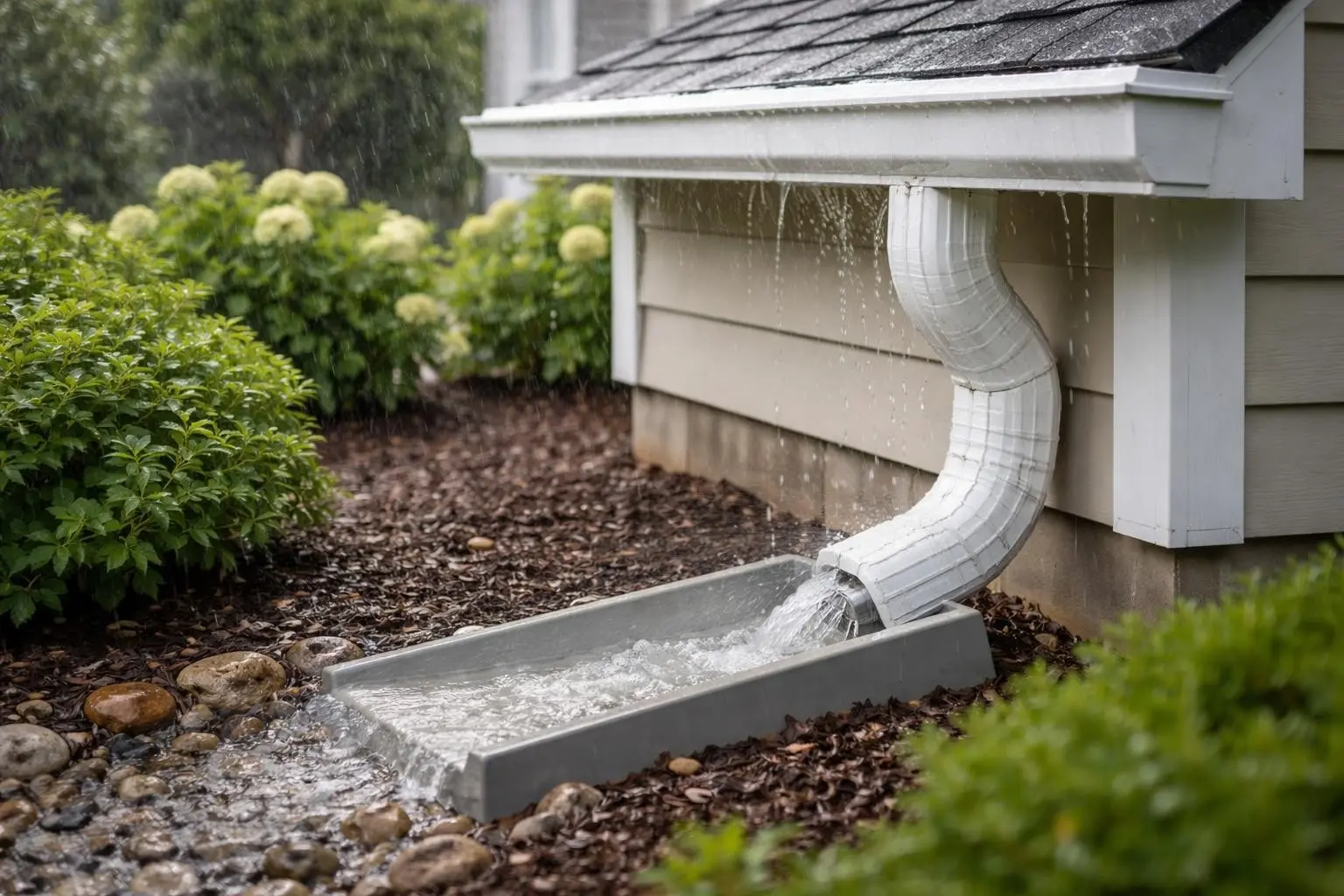
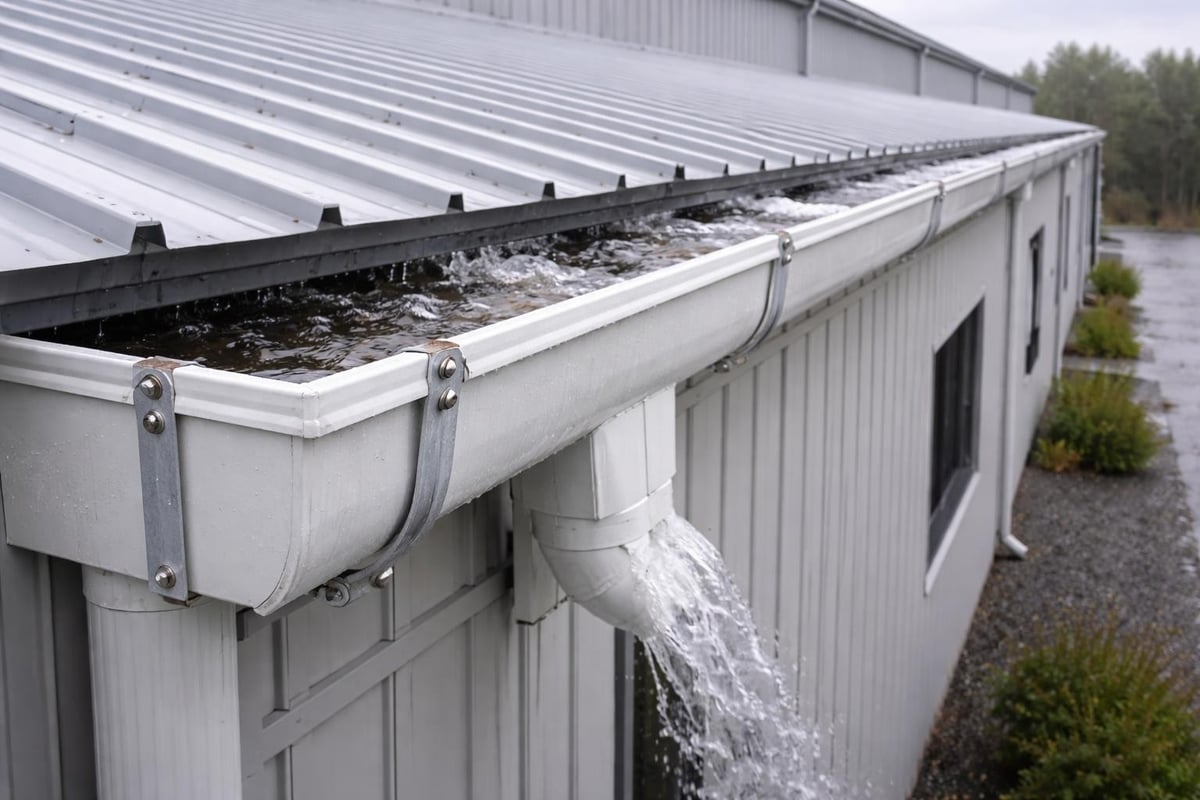
Roof guttering represents more than simple metal channels attached to your roofline. These systems collect rainwater runoff from roof surfaces and direct it through downspouts to designated drainage areas away from your building's foundation.
The primary functions of effective roof guttering include:
- Preventing foundation erosion and settling caused by concentrated water flow
- Protecting siding, windows, and doors from water stains and deterioration
- Eliminating basement flooding and moisture intrusion
- Preserving landscaping by controlling water discharge points
- Reducing soil erosion around the property perimeter
Without functional guttering, water cascades directly off roof edges, creating splash zones that saturate foundation walls and undermine structural stability. A single inch of rainfall on a 2,000-square-foot roof generates over 1,200 gallons of runoff that requires proper management.
Material Options for Long-Term Performance
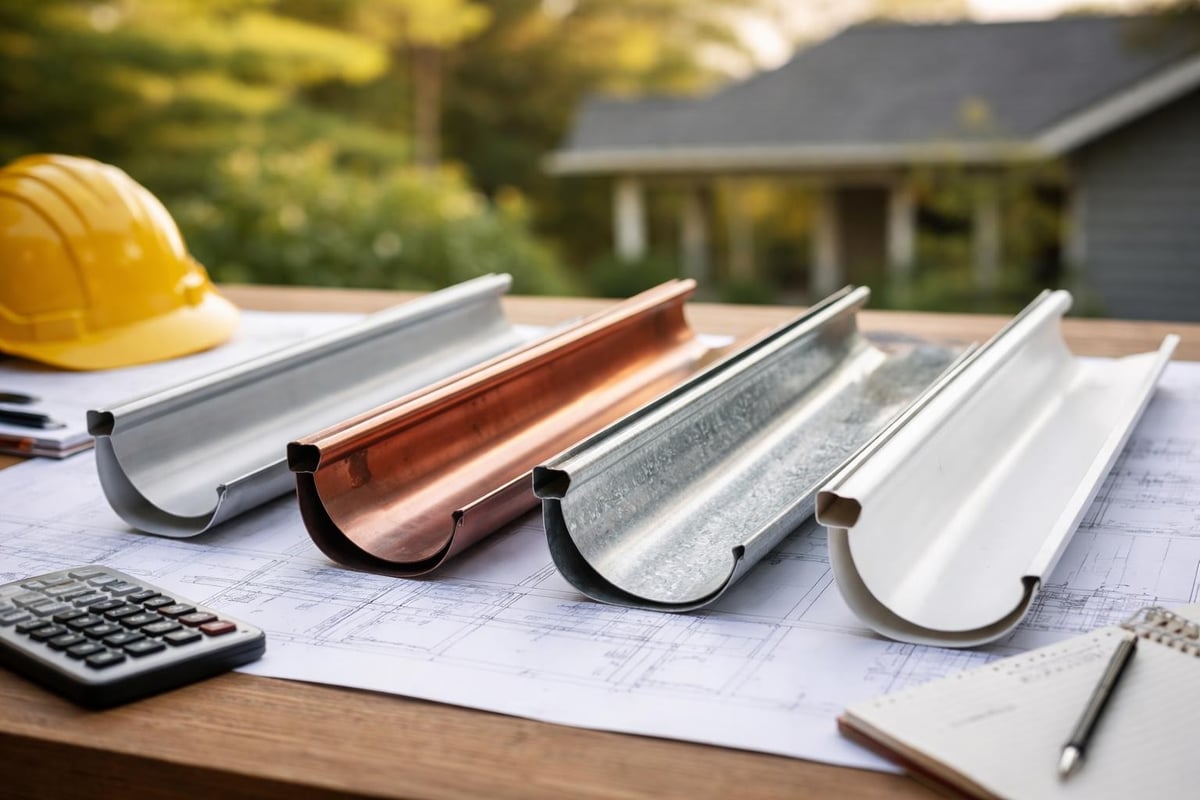
Modern roof guttering comes in several material configurations, each offering distinct advantages for different applications and budgets.
| Material | Lifespan | Advantages | Best Applications |
|---|---|---|---|
| Aluminum | 20-30 years | Rust-resistant, lightweight, paintable | Residential properties, moderate climates |
| Copper | 50+ years | Premium aesthetics, natural patina, extremely durable | Historic homes, high-end properties |
| Steel | 20-25 years | High strength, handles heavy snow/ice loads | Commercial buildings, industrial facilities |
| Vinyl | 10-15 years | Lowest cost, easy DIY installation, no painting | Budget-conscious residential projects |
Aluminum dominates the residential market due to its favorable cost-performance ratio and resistance to Texas weather conditions. Commercial properties often specify steel guttering for enhanced durability under demanding conditions, particularly on larger buildings with extended gutter runs.
Sizing and Configuration for Optimal Water Management
Proper roof guttering sizing prevents overflow during heavy rainfall events that can overwhelm undersized systems. Fort Worth experiences intense downpours where rainfall rates exceed one inch per hour, requiring adequate gutter capacity.
Standard residential guttering measures five or six inches in width, while commercial applications often utilize seven-inch or custom-fabricated systems. The calculation depends on roof pitch, drainage area, and local rainfall intensity data.
Key sizing considerations include:
- Roof square footage and pitch angle
- Maximum anticipated rainfall rate (inches per hour)
- Gutter slope toward downspouts (minimum 1/4 inch per 10 feet)
- Downspout placement and diameter (typically every 30-40 feet)
- Leaf guard or screen requirements
Steeper roof pitches accelerate water velocity, requiring larger guttering to handle the increased flow rate. A professional roof inspection evaluates these factors and recommends appropriate system specifications for your specific building configuration.
Installation Methods and Professional Standards
Quality roof guttering installation requires precise measurements, proper fastening techniques, and attention to water flow dynamics. The Family Handyman offers a step-by-step tutorial covering basic installation principles, though professional installation ensures warranted performance.
Professional installers verify roof edge condition before mounting guttering, addressing any fascia damage that could compromise attachment points. Hidden hangers or spike-and-ferrule systems secure gutters at intervals that prevent sagging between support points.
Seamless guttering fabricated on-site eliminates joints where leaks commonly develop, offering superior performance compared to sectional systems. Professional crews bring specialized equipment that forms continuous gutter runs matching exact building dimensions, reducing potential failure points by 80% compared to pre-cut sections.
Maintenance Requirements for Extended System Life
Regular maintenance preserves roof guttering function and prevents premature replacement. Fort Worth's oak and pecan trees deposit substantial leaf matter that accumulates in gutters, creating blockages that cause overflow and ice dam formation during winter freezes.
Essential maintenance tasks include:
- Cleaning gutters and downspouts twice annually (spring and fall)
- Inspecting hangers and fasteners for looseness or corrosion
- Checking pitch and adjusting sections that have settled
- Sealing minor leaks at joints and end caps
- Verifying downspout extensions direct water away from foundations
Property owners who defer maintenance face accelerated system deterioration. Standing water in improperly sloped guttering promotes rust formation in metal systems and provides mosquito breeding habitat. The weight of accumulated debris stresses mounting hardware, causing gutters to pull away from fascia boards and creating gaps where water infiltrates wall cavities.
Common Problems and Warning Signs
Recognizing roof guttering issues early prevents minor problems from escalating into expensive repairs requiring wall, foundation, or landscape restoration.
Watch for these indicators of gutter system failure:
- Water spilling over gutter edges during moderate rainfall
- Staining on siding below gutter lines
- Sagging or separated gutter sections
- Pools of water near foundation walls
- Peeling exterior paint beneath gutters
- Visible rust or corrosion on metal components
Each symptom points toward specific underlying causes. Overflow during rain suggests blockages, inadequate capacity, or improper slope. Sagging indicates failed hangers or accumulated debris weight exceeding design limits. Rust formation reveals standing water from drainage problems or failing sealant at joints.
The International Association of Certified Home Inspectors provides a detailed guide on evaluating roof and gutter condition during property assessments, helping identify issues before they cause structural damage.
Integration with Complete Roofing Systems
Roof guttering functions as one component within comprehensive water management systems. Properly designed installations coordinate with roof drainage, downspout placement, and site grading to control water from initial contact through final discharge.
Ice and water shield beneath roof edges protects against backup when gutters become ice-blocked during freezing conditions. Drip edge flashing directs water into gutters rather than behind fascia boards where moisture damages wood substrates. These coordinated elements work together to prevent the water intrusion issues that compromise building envelopes.
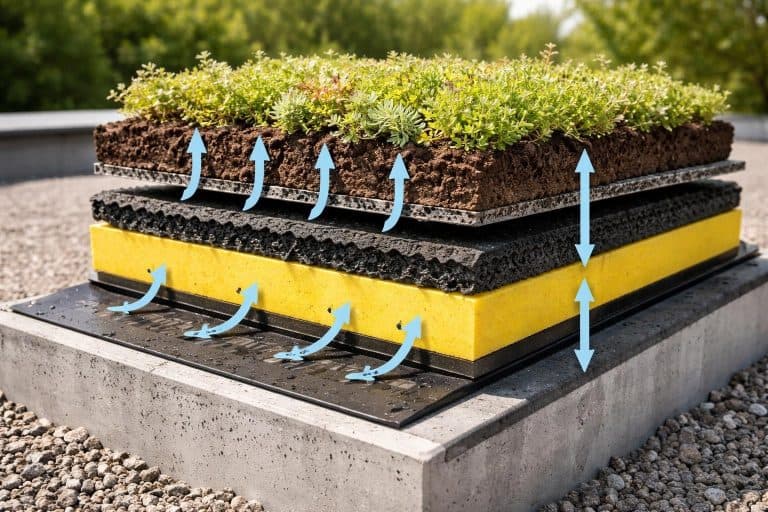
Commercial flat roofs utilize internal drainage systems with scuppers or overflow drains as secondary protection when primary drains become blocked. Integrating roof guttering with these systems provides redundant protection against catastrophic overflow. Whether you need guttering installation or complete roofing solutions, coordination between all water management components ensures reliable performance.
Environmental Considerations and Rainwater Harvesting
Progressive property owners integrate roof guttering with sustainable water management practices. Rainwater harvesting systems capture gutter discharge for landscape irrigation, reducing municipal water consumption and utility costs.
The EPA explains how rain gardens manage stormwater runoff from roofs and gutters, promoting sustainable landscaping while reducing strain on municipal drainage infrastructure. Directing downspouts to planted depressions allows natural filtration before water enters groundwater supplies.
Fort Worth's water conservation initiatives encourage responsible stormwater management. Rain barrels connected to downspouts store hundreds of gallons for later use during dry periods, reducing irrigation costs while supporting environmental stewardship.
Specialized Applications for Different Building Types
Residential and commercial properties require different roof guttering approaches based on building scale, occupancy patterns, and maintenance capabilities.
Residential Guttering Considerations
Single-family homes typically utilize five-inch aluminum guttering with residential-grade hangers spaced 24 inches apart. Color-matched systems blend with trim and siding for cohesive aesthetics. Residential roofing services often coordinate gutter replacement with roof installation to ensure compatible warranties and unified water management.
Homeowners benefit from gutter guard systems that reduce cleaning frequency while maintaining water flow. Micro-mesh screens prevent debris entry while allowing water passage, though proper installation ensures screens don't create ice dams or void roof warranties.
Commercial and Industrial Requirements
Commercial buildings demand heavy-duty roof guttering capable of handling larger water volumes from expansive roof areas. Seven-inch guttering with commercial-grade hangers every 18 inches provides necessary strength. Box gutters integrated into roof structures offer concealed drainage for architectural applications where exposed gutters detract from building aesthetics.
Industrial facilities with chemical exposure or corrosive environments may specify stainless steel or specialized coating systems. These applications require engineering analysis to ensure adequate capacity and material compatibility with building operations.
Cost Factors and Investment Considerations
Roof guttering expenses vary based on material selection, linear footage, building height, and installation complexity. Understanding cost components helps property owners budget appropriately while recognizing value differences between quality tiers.
| Cost Component | Typical Range | Impact Factors |
|---|---|---|
| Materials | $4-15 per linear foot | Metal type, gauge thickness, finish quality |
| Labor | $3-8 per linear foot | Building height, access difficulty, crew experience |
| Accessories | $50-200 per downspout | Extensions, filters, decorative elements |
| Removal/disposal | $1-2 per linear foot | Existing system condition, material type |
Premium installations with seamless aluminum and concealed hangers cost more initially but deliver superior longevity and reduced maintenance compared to budget vinyl systems. The Consumer Reports buying guide provides comparative analysis of different roofing and guttering materials to inform purchasing decisions.
Professional installation ensures proper pitch, secure mounting, and warranted performance that DIY projects rarely achieve. insured contractors carry insurance protecting property owners from liability if installation errors cause damage, while manufacturer warranties often require professional installation for validation.
Seasonal Performance and Weather Adaptation
Fort Worth's climate presents specific challenges for roof guttering systems. Summer thunderstorms generate intense rainfall requiring adequate capacity, while winter freezes can create ice dams when gutters retain moisture.
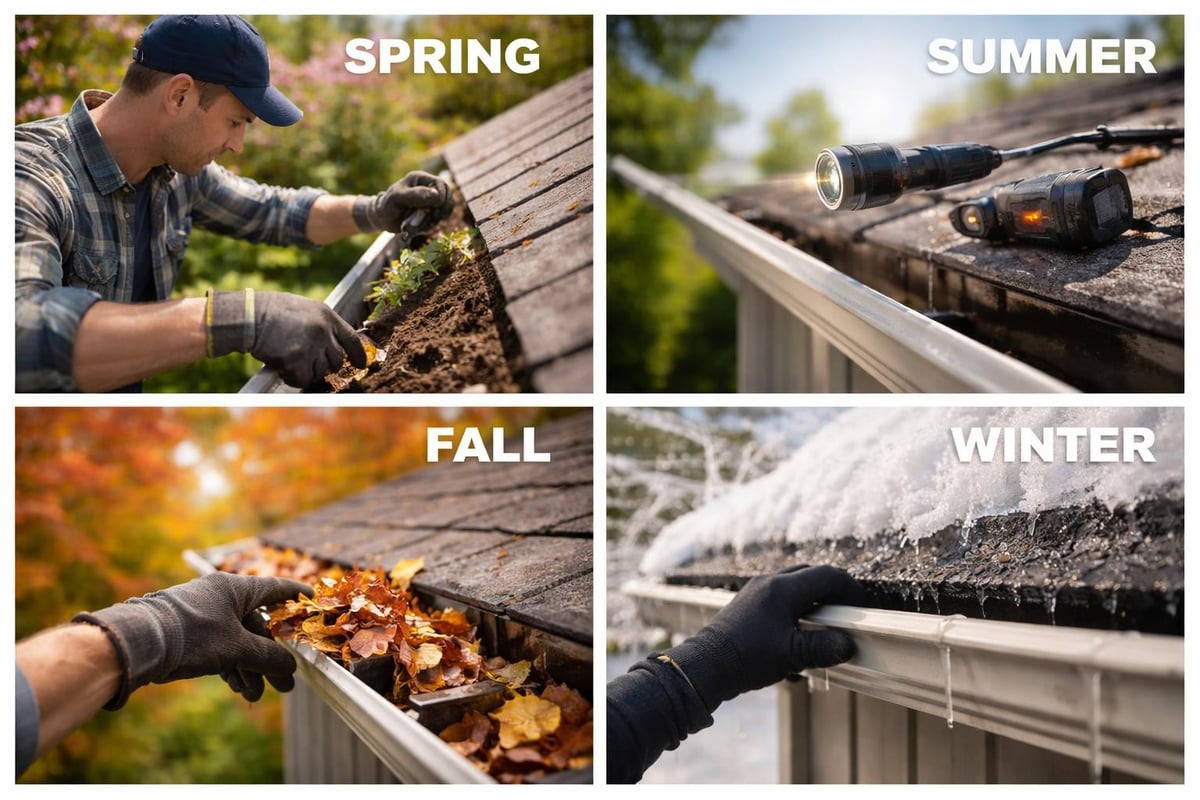
Seasonal preparation maintains year-round performance:
- Spring: Clean winter debris, inspect for ice damage, verify proper drainage
- Summer: Check capacity during first heavy rains, ensure downspouts aren't blocked
- Fall: Remove leaves before winter, install gutter guards if needed
- Winter: Monitor for ice formation, ensure attic insulation prevents heat loss
Properties with inadequate attic insulation experience heat loss that melts roof snow, creating runoff that refreezes in gutters and forms ice dams. Addressing insulation deficiencies prevents this cycle while reducing energy costs. Understanding what to do immediately after a storm helps property owners respond quickly when weather events damage guttering systems.
Historic Preservation and Architectural Requirements
Older properties often feature distinctive roof guttering profiles that contribute to architectural character. Half-round gutters common on historic homes require specialized hangers and may need custom fabrication to match original profiles.
The National Park Service provides guidelines on preserving historic roofing systems, including appropriate gutter materials and installation methods that maintain architectural integrity while providing modern performance.
Copper guttering develops natural patina over decades, creating the green oxidation layer valued on historic structures. While expensive initially, copper's 50-plus-year lifespan and minimal maintenance requirements justify the investment for preservation-focused property owners.
Professional Assessment and System Design
Complex buildings benefit from professional roof guttering assessment before installation or replacement. Engineers calculate precise capacity requirements based on roof geometry, local rainfall data, and drainage objectives.
Professional evaluation includes:
- Roof area calculations and pitch measurements
- Rainfall intensity analysis for Fort Worth region
- Downspout placement optimization for site conditions
- Integration with existing drainage infrastructure
- Material recommendations based on budget and performance goals
Licensed roofing contractors provide detailed proposals specifying materials, dimensions, and installation methods. Comparing multiple quotes helps property owners understand market pricing while identifying contractors who cut corners with inadequate sizing or substandard materials. Working with certified roofing contractors ensures your guttering investment receives proper installation backed by meaningful warranties.
Effective roof guttering protects your property investment by managing water runoff that would otherwise compromise foundations, landscaping, and building integrity. Regular maintenance, appropriate material selection, and professional installation ensure these essential systems deliver decades of reliable performance. Whether you need new guttering installation, repairs to existing systems, or comprehensive roofing solutions integrated with proper water management, Texcore Construction provides Fort Worth property owners with expert service delivered by experienced in-house crews who prioritize quality craftsmanship and long-term performance.