Storm Roof Systems: Protection Against Severe Weather
Property owners throughout Fort Worth understand the importance of reliable roofing when severe weather strikes. Storm roof systems represent a specialized category of roofing designed to withstand extreme conditions including high winds, hail, heavy rain, and rapid temperature fluctuations. These systems combine advanced materials, reinforced installation techniques, and strategic design elements to provide superior protection compared to standard roofing assemblies. Understanding what makes storm roof systems effective can help property managers and homeowners make informed decisions about protecting their most valuable assets from increasingly unpredictable weather patterns.
Engineering Principles Behind Storm Roof Systems
Storm roof systems differ fundamentally from conventional roofing through their enhanced structural integration and wind resistance capabilities. The engineering focuses on creating a continuous load path that transfers wind forces from the roof surface through the structure to the foundation.
Wind Uplift Resistance
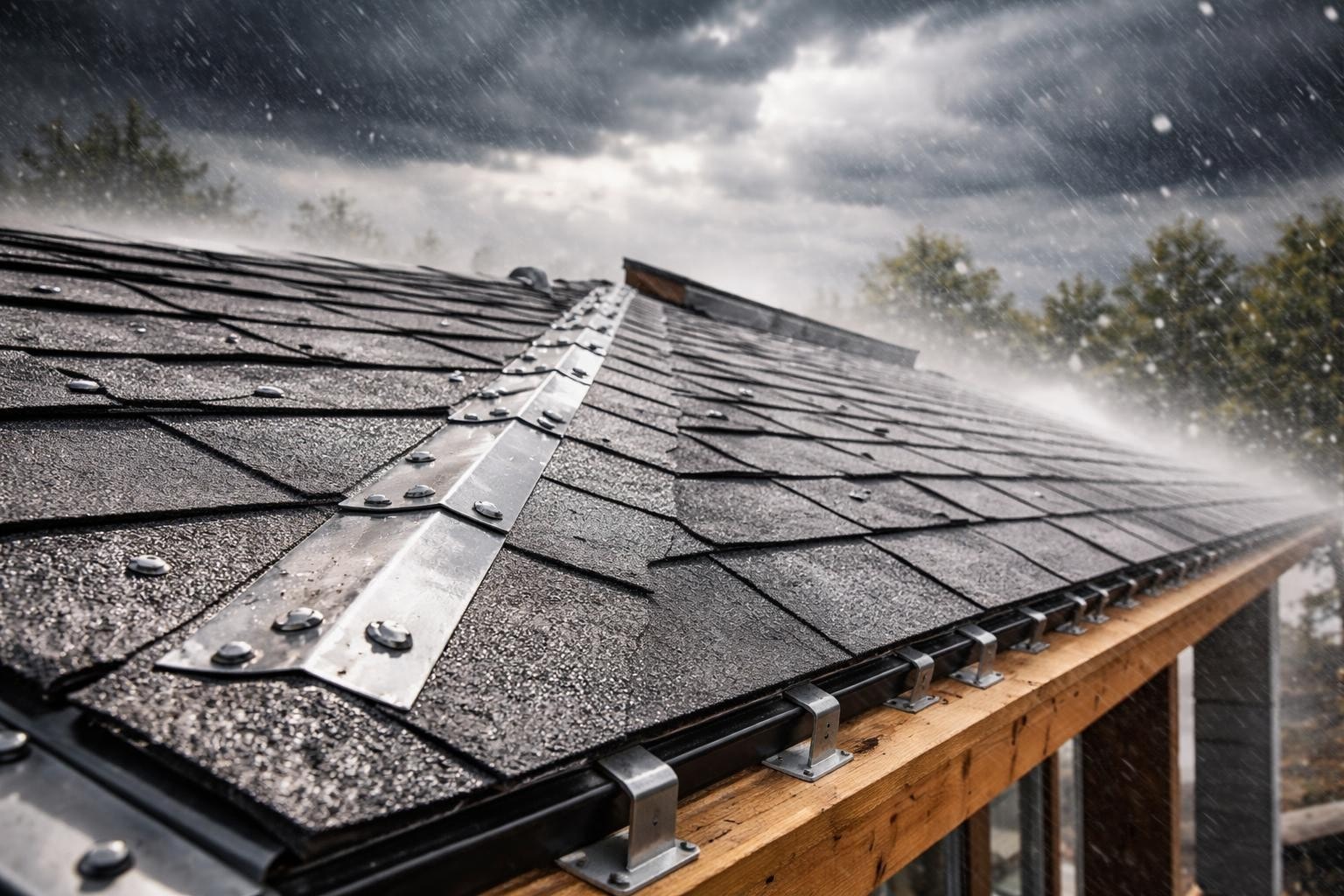
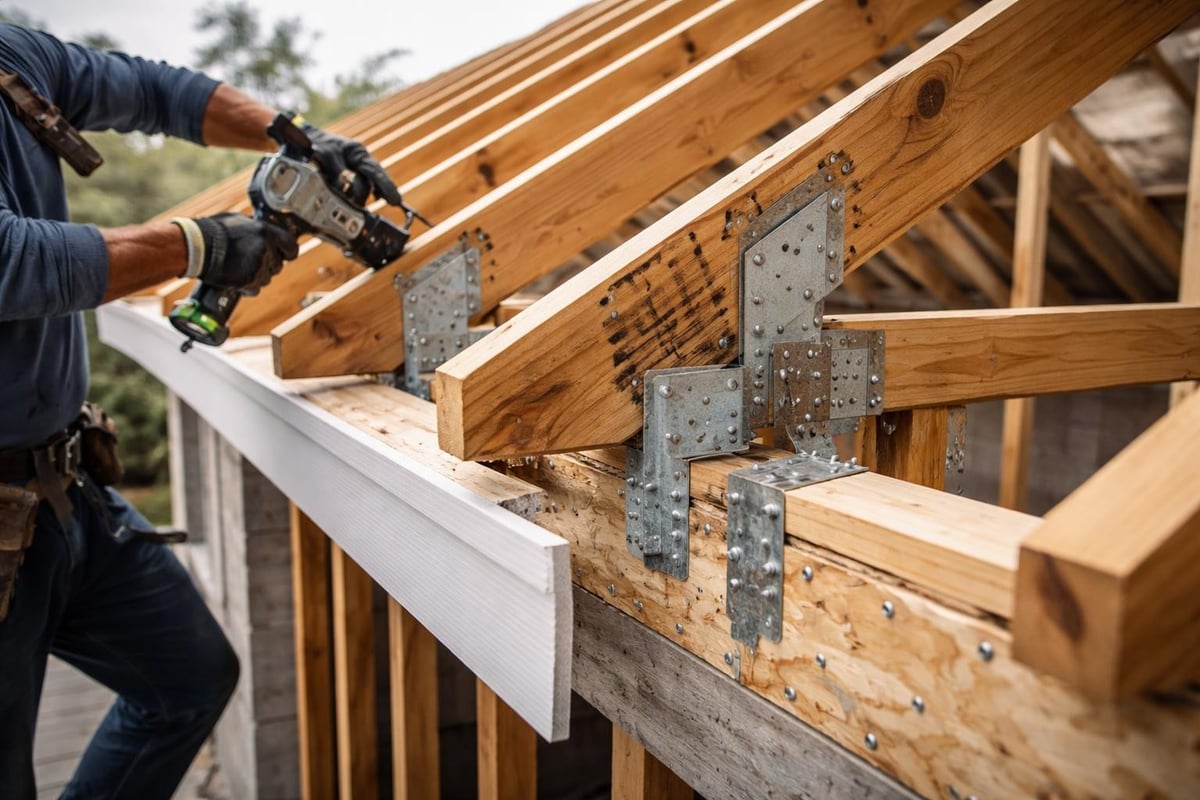
Wind uplift represents one of the most significant threats during severe weather events. Storm roof systems address this through:
- Enhanced fastening patterns that exceed standard building codes
- Reinforced attachment points at critical stress zones
- Structural adhesives that supplement mechanical fasteners
- Continuous perimeter securement to prevent edge lifting
The key metric for measuring wind resistance is the uplift rating, typically expressed in pounds per square foot. Storm roof systems often achieve ratings of 90 to 240 psf, compared to 60 psf for standard installations. According to roofing material performance data, properly installed metal and modified bitumen systems consistently outperform basic asphalt shingles in high-wind scenarios.
Impact Resistance Standards
Hail damage causes billions in property losses annually. Storm roof systems incorporate materials rated under UL 2218, which classifies impact resistance from Class 1 through Class 4. Class 4 represents the highest rating, indicating the material can withstand impacts from 2-inch steel balls dropped from 20 feet without cracking or tearing.
| Impact Class | Steel Ball Size | Drop Height | Typical Materials |
|---|---|---|---|
| Class 1 | 1.25 inches | 12 feet | Standard 3-tab shingles |
| Class 2 | 1.5 inches | 15 feet | Basic architectural shingles |
| Class 3 | 1.75 inches | 17 feet | Enhanced composition shingles |
| Class 4 | 2 inches | 20 feet | Metal, slate, specialized shingles |
Material Selection for Storm Performance
Choosing appropriate materials represents the foundation of effective storm roof systems. Different materials offer distinct advantages depending on regional weather patterns and building requirements.
Metal Roofing Systems
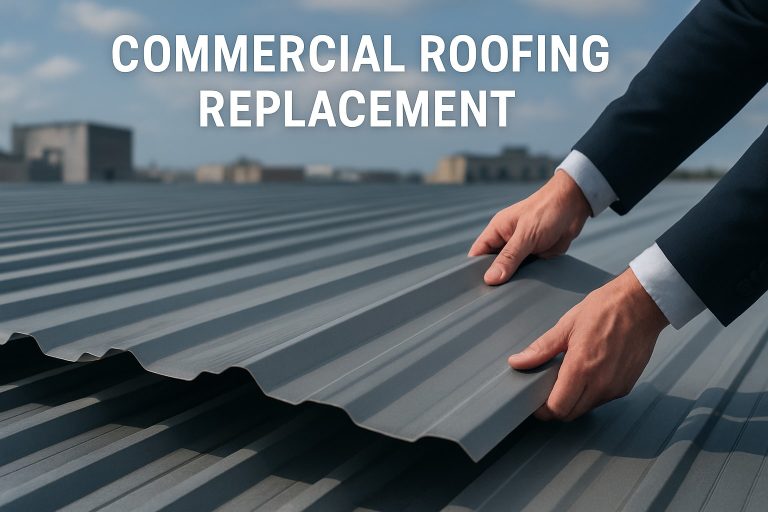
Metal roofing has emerged as a premier choice for storm resistance due to its inherent strength and interlocking design. Standing seam metal roofs perform exceptionally well because concealed fasteners eliminate potential water intrusion points while panels interlock to resist wind uplift.
Key advantages include:
- Wind resistance ratings up to 140 mph
- Class 4 impact resistance
- Non-combustible fire rating
- 40-70 year service life
- Minimal maintenance requirements
The best roofing materials for withstanding storm damage consistently include metal systems for their proven durability. Installation quality matters significantly-panels must be properly fastened according to manufacturer specifications and local wind zone requirements.
Modified Bitumen and Single-Ply Membranes
Commercial properties often utilize modified bitumen or thermoplastic polyolefin (TPO) membranes as part of their storm roof systems. These materials excel on low-slope applications common in commercial construction.
Modified bitumen systems feature multiple layers that create redundancy. The base sheet attaches mechanically to the deck, intermediate sheets add thickness and strength, and the cap sheet provides weather resistance. This multi-ply approach means damage to one layer doesn't necessarily compromise the entire system.
TPO and EPDM single-ply membranes offer different benefits. TPO provides excellent UV resistance and heat-welded seams that create watertight bonds stronger than the membrane itself. Understanding flat roof repair materials helps property managers recognize quality installations.
Advanced Composition Shingles
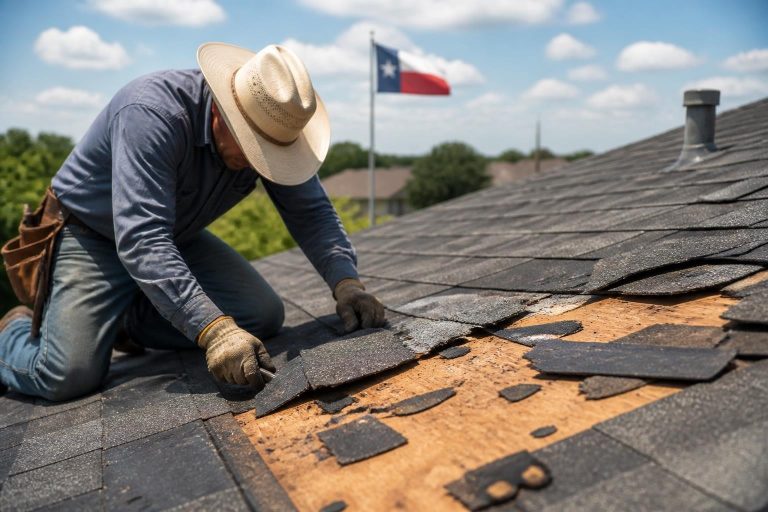
Residential storm roof systems frequently incorporate impact-resistant asphalt shingles engineered specifically for severe weather. These shingles contain modified asphalt formulations and reinforced backing materials that improve flexibility and impact absorption.
Premium architectural shingles designed for storm resistance typically include:
- SBS (styrene-butadiene-styrene) modified asphalt for flexibility
- Heavy fiberglass mat base for strength
- Granule coatings with enhanced adhesion
- Reinforced nailing zones
- Wind resistance ratings of 110-130 mph
Critical Installation Standards
Even superior materials fail without proper installation. Storm roof systems require adherence to enhanced installation protocols that go beyond basic code requirements.
Deck Preparation and Securement
- Structural Assessment: Verify deck material, thickness, and fastener spacing meet current wind load requirements
- Fastener Upgrades: Use ring-shank nails or screws rather than smooth-shank fasteners
- Spacing Calculations: Reduce fastener spacing in perimeter and corner zones where wind forces concentrate
- Deck Repair: Replace damaged or deteriorated deck sections before new roofing installation
The deck represents the foundation of storm roof systems. Inadequate deck attachment remains a primary failure point during severe weather. Many older buildings have deck fastening that doesn't meet current standards, requiring remediation before storm-rated roofing installation.
Underlayment Integration
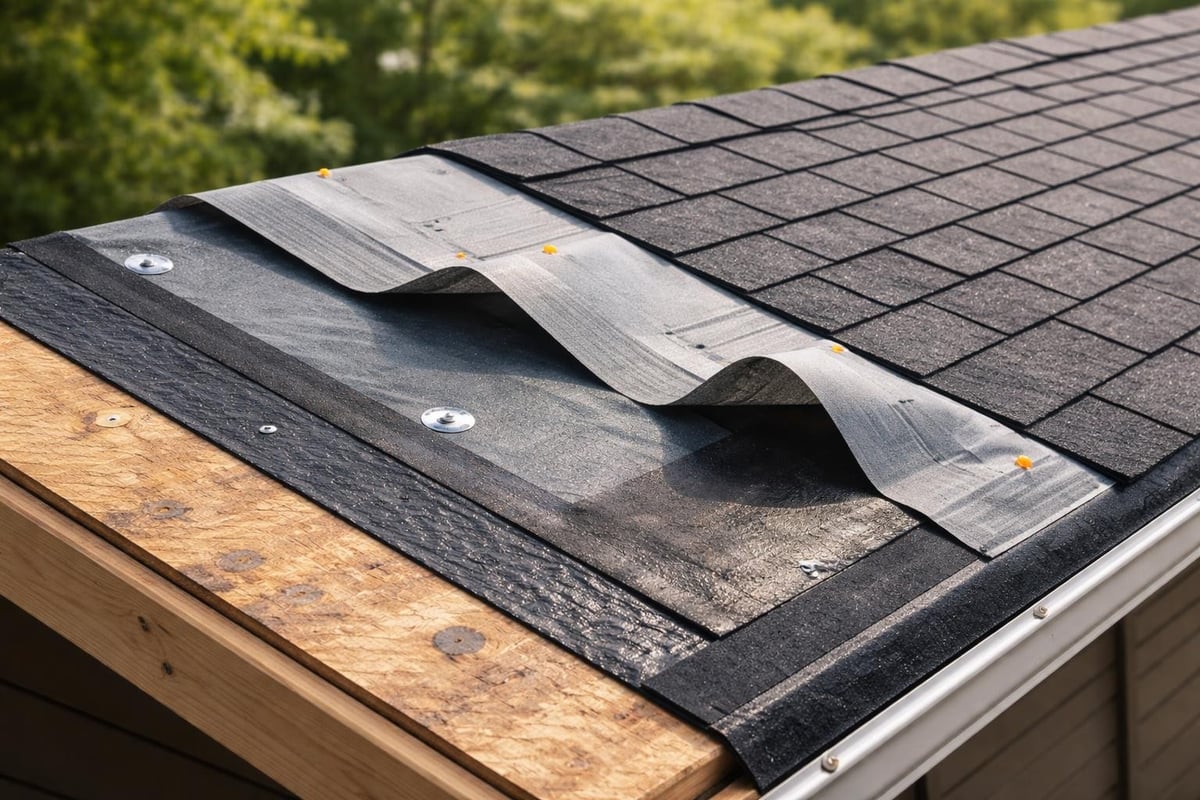
Storm roof systems incorporate multiple layers of protection. Premium synthetic underlayments offer superior tear strength and UV resistance compared to traditional felt paper. Many systems now specify:
- Ice and water shield along all eaves, valleys, and penetrations
- High-temperature synthetic underlayment across the entire deck
- Overlap specifications that exceed standard practice
- Mechanical fastening in high-wind zones
Flashing and Perimeter Details
Proper flashing installation distinguishes professional storm roof systems from basic installations. Critical areas include:
| Location | Standard Practice | Storm System Enhancement |
|---|---|---|
| Drip Edge | Face-nailed | Ice and water shield over, mechanically secured |
| Valley | Open or woven | Fully adhered ice and water shield, metal valley |
| Penetrations | Caulked boot | Multi-layer flashing with sealant |
| Ridge | Standard cap | High-profile cap with enhanced fastening |
When severe weather brings wind damage to shingles, failure typically begins at these transition points. Storm roof systems eliminate vulnerabilities through redundant protection.
Design Considerations for Maximum Protection
Beyond materials and installation, roof design itself influences storm performance. Property owners planning new construction or major renovations should consider these design elements.
Roof Slope and Shape
Steeper roof slopes generally perform better in high winds by presenting less surface area to horizontal wind forces. According to storm-resistant roof design guidelines, slopes of 4:12 or greater significantly reduce uplift compared to low-slope or flat roofs.
Hip roofs outperform gable roofs during hurricanes and severe storms. The four-sided hip design provides inherent bracing, while gable ends create large surfaces vulnerable to wind pressure. For properties in high-wind zones, hip roof designs offer measurably better performance.
Overhang Management
Wide overhangs create leverage points where wind forces can tear roofing from the structure. Storm roof systems typically limit overhang projection to 12-20 inches depending on wind zone classification. When overhangs exceed these limits, additional bracing from below becomes necessary.
Soffit and fascia connections also require attention. Wind-driven rain can pressurize the attic space from below, creating uplift forces that combine with external wind pressure. Properly vented soffits with secure attachment prevent this problematic pressurization.
Penetration Minimization
Every roof penetration represents a potential failure point. Storm roof systems minimize penetrations and ensure remaining ones receive exceptional flashing details. Consider consolidating:
- Multiple plumbing vents into shared boots
- HVAC equipment on pad-mounted ground units
- Electrical and communication services through wall penetrations
- Skylights into fewer, properly sized units with curbs
Maintenance Requirements for Long-Term Performance
Storm roof systems require proactive maintenance to sustain their protective capabilities. Neglected roofs lose effectiveness over time as materials degrade and fasteners loosen.
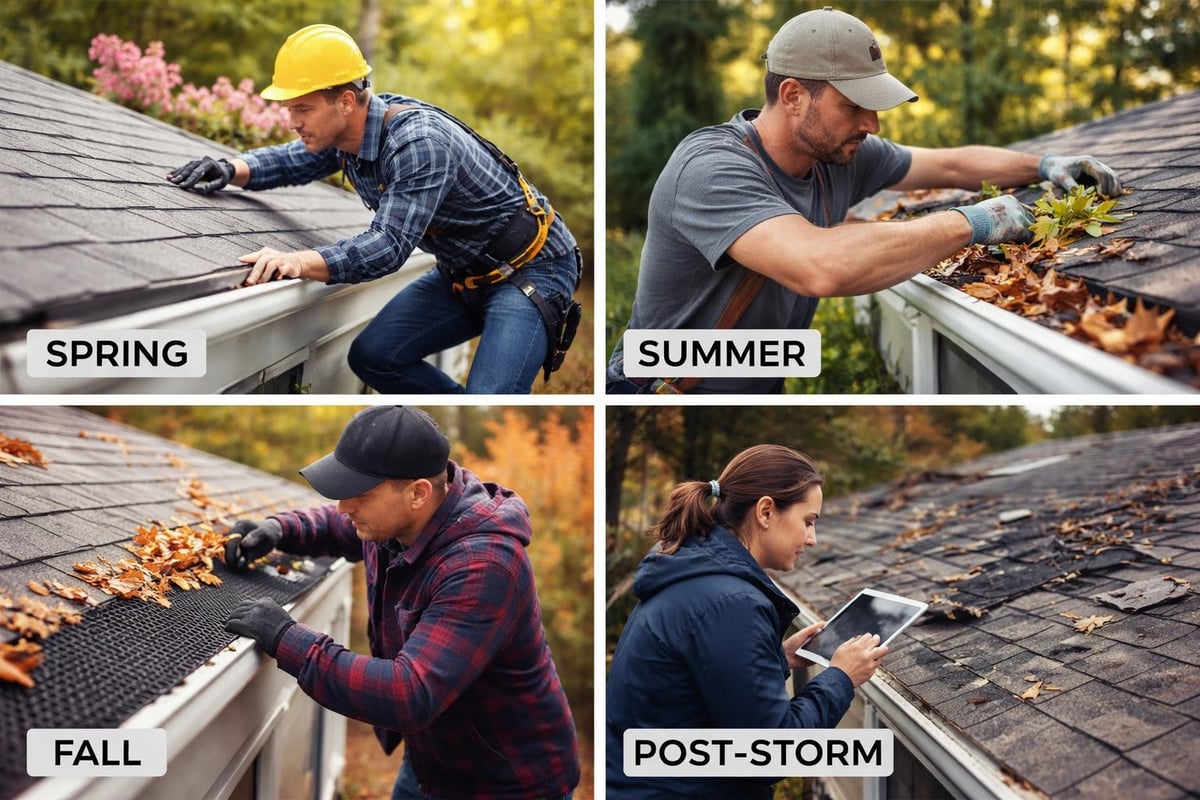
Essential maintenance activities include:
- Semi-annual inspections focusing on flashings, fasteners, and drainage
- Post-storm assessments to identify and address damage before minor issues escalate
- Debris removal preventing water pooling and organic growth
- Sealant renewal at penetrations and transitions every 3-5 years
- Fastener verification checking for backing out or corrosion
Professional roof inspections identify problems invisible from ground level. Experienced contractors understand where storm roof systems typically show wear first and can address issues before they compromise protection.
For Fort Worth property owners dealing with weather-related damage, roof repair storm damage specialists provide rapid response to prevent secondary damage from water intrusion.
Insurance and Building Code Implications
Installing storm roof systems provides benefits beyond immediate protection. Insurance companies increasingly recognize superior roofing through premium discounts.
Insurance Premium Reductions
Many insurers offer discounts of 10-35% for roofs meeting enhanced wind and impact resistance standards. Documentation requirements typically include:
- Manufacturer certifications for wind and impact ratings
- Installation photographs showing proper techniques
- Contractor licenses and insurance verification
- Material receipts and warranty documentation
These discounts accumulate over the roof's service life, often offsetting the incremental cost of storm roof systems versus basic installations. Property owners should contact insurers before roofing projects to understand specific documentation requirements.
Building Code Evolution
Building codes continuously evolve to incorporate lessons from catastrophic storms. The 2024 International Building Code introduced stricter requirements for:
- Wind uplift resistance in designated high-wind zones
- Impact resistance in hail-prone regions
- Deck attachment specifications
- Quality assurance inspections during installation
Storm roof systems designed to current codes provide better protection than older installations meeting superseded standards. When planning replacements, upgrading to current requirements makes financial and practical sense even when not strictly required for existing buildings.
Understanding insurance claims for roof damage helps property owners navigate the documentation and approval process efficiently.
Commercial vs. Residential Storm Roof Systems
While fundamental principles remain consistent, commercial and residential storm roof systems differ in specific applications and priorities.
Commercial Applications
Commercial properties typically feature low-slope roofs with different material requirements. Storm roof systems for commercial buildings emphasize:
- Membrane durability under UV exposure and thermal cycling
- Drainage performance preventing ponding water
- Equipment integration for HVAC and other rooftop installations
- Access considerations for maintenance personnel
The larger surface areas and lower slopes of commercial roofs create different wind force patterns. Edge and corner zones experience forces up to three times greater than field areas, requiring enhanced securement in these critical zones.
Residential Considerations
Residential storm roof systems focus on aesthetics alongside performance. Homeowners want protection without sacrificing curb appeal. This drives demand for:
- Impact-resistant shingles matching traditional appearances
- Color selections that complement architectural styles
- Warranty coverage providing long-term peace of mind
- Energy efficiency through reflective coatings
Residential installations also navigate homeowner association requirements and neighborhood aesthetic standards. Fortunately, modern storm-rated materials now include extensive color and style options.
Regional Weather Patterns and System Selection
Fort Worth's unique weather presents specific challenges requiring tailored storm roof systems. The region experiences:
- Severe hailstorms particularly during spring months
- Straight-line winds exceeding 70 mph
- Temperature extremes from below freezing to over 100°F
- Rapid weather changes stressing materials through thermal cycling
Selecting appropriate storm roof systems requires matching materials and design to these local conditions. Metal roofing excels in hail resistance, while properly installed composition shingles with Class 4 ratings provide excellent protection at lower cost points.
The best roofing materials for hurricane zones offer insights applicable to high-wind regions nationwide, though specific requirements vary by location.
When severe weather strikes unexpectedly, having access to emergency roof repair services minimizes damage and prevents costly water intrusion.
Financial Considerations and Return on Investment
Storm roof systems represent significant investments. Understanding costs and returns helps property owners make informed decisions.
Initial Cost Premiums
Storm-rated materials and enhanced installation typically cost 15-30% more than basic systems. For a typical residential roof:
| System Type | Material Cost per Sq Ft | Installation Premium | Total Premium |
|---|---|---|---|
| Basic 3-tab | Baseline | Baseline | Baseline |
| Architectural Storm | +$0.30-0.50 | +10% | +15-20% |
| Class 4 Impact | +$0.60-0.90 | +15% | +20-25% |
| Metal Standing Seam | +$3.00-5.00 | +25% | +40-60% |
These premiums decrease on commercial projects due to economies of scale and simpler roof geometries.
Long-Term Value
The return on storm roof systems comes through:
- Extended service life reducing replacement frequency
- Lower maintenance costs from superior durability
- Insurance savings through premium discounts
- Avoided damage costs during severe weather events
- Enhanced property value from superior protection
A properly installed metal roof costing 50% more than asphalt shingles but lasting twice as long represents equal or better value. Factor in reduced maintenance and insurance savings, and the economic advantage becomes clear.
Quality Assurance and Contractor Selection
Storm roof systems only perform as designed when properly installed. Contractor selection critically impacts outcomes.
Essential contractor qualifications include:
- Manufacturer certifications for specific products
- Proper licensing and comprehensive insurance coverage
- In-house installation crews rather than subcontractors
- Detailed written scopes and material specifications
- Verifiable local references and completed projects
Requesting detailed documentation of materials, installation methods, and quality control procedures separates professional contractors from those cutting corners. Storm roof systems require precision-small deviations from specifications can significantly compromise performance.
Fort Worth property owners benefit from working with contractors offering transparent processes, detailed documentation, and same-day commercial roof leak repairs when urgent needs arise.
Storm roof systems provide essential protection against increasingly severe weather events affecting properties throughout Fort Worth and surrounding areas. Combining advanced materials, reinforced installation techniques, and strategic design principles, these systems offer measurably superior performance compared to standard roofing assemblies. When you need expert installation, emergency repairs, or comprehensive storm damage assessment, Texcore Construction delivers the craftsmanship, responsiveness, and accountability Fort Worth property owners deserve. Our in-house crews, detailed documentation, and five-year labor warranty ensure your roof performs when severe weather strikes.