
Roof Wind Damage: Causes, Prevention, and Repair
Wind poses one of the most significant threats to roofing systems across the Fort Worth area, where severe weather events and high-velocity gusts can compromise even well-maintained structures. Understanding how roof wind damage occurs, recognizing early warning signs, and implementing preventive measures can save property owners thousands of dollars in emergency repairs and protect their investments from costly structural failures. Whether you manage a commercial facility or own a residential property, knowing the mechanics behind wind damage and the steps to mitigate risk is essential for long-term roof performance.
Understanding How Wind Damages Roofing Systems
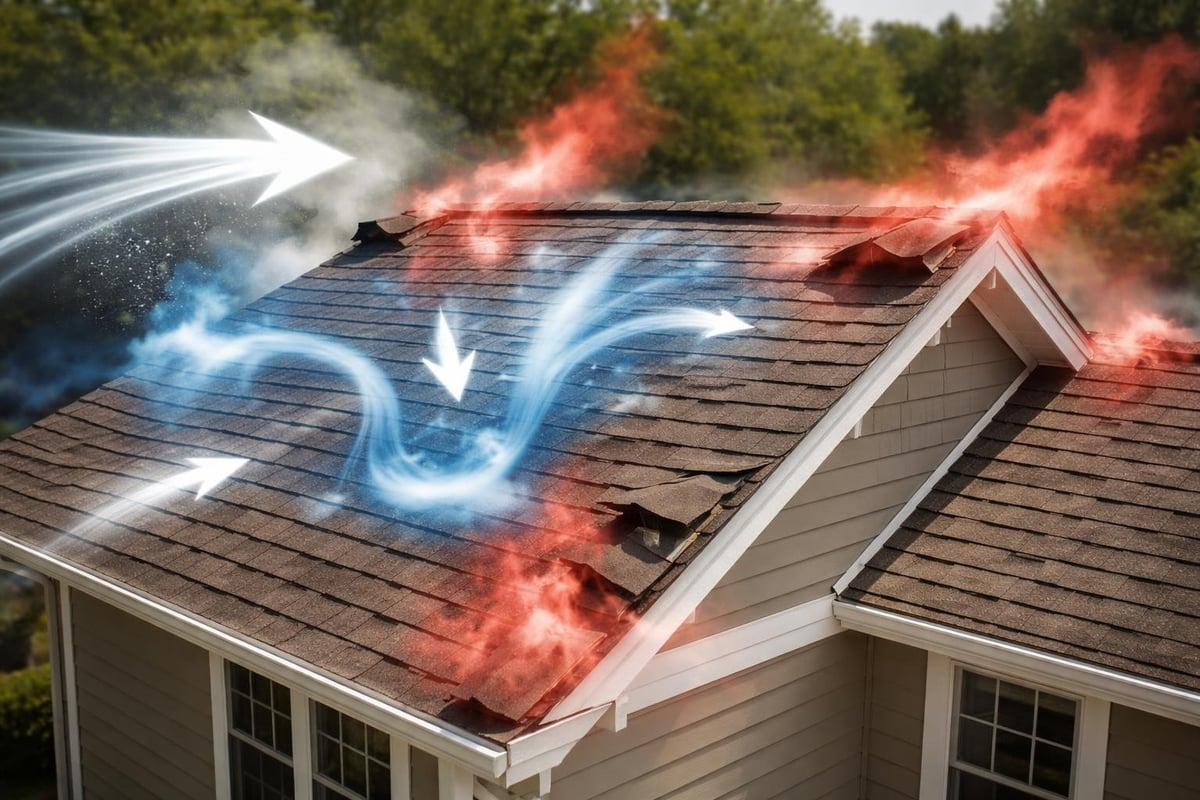
Wind doesn't simply blow across a roof surface. Instead, it creates complex pressure patterns that can tear materials loose, compromise structural integrity, and expose buildings to water infiltration. When wind encounters a building, it creates positive pressure on the windward side while generating negative pressure (suction) on the leeward side and across the roof surface. This negative pressure is what causes the most significant roof wind damage, as it literally pulls roofing materials upward and away from the structure.
The edges, corners, and ridges of roofs experience the highest wind forces because air accelerates around these features, creating localized zones of extreme suction. This phenomenon explains why damage often begins at roof perimeters and progressively works inward during severe weather events. Commercial buildings with large, flat roof surfaces are particularly vulnerable to these uplift forces, while residential structures with steep pitches face different challenges related to shingle displacement and flashing failures.
The Physics Behind Wind Uplift
Wind speed and direction determine the magnitude of uplift forces acting on a roof system. According to research on wind interaction with roofing systems, wind forces increase exponentially with velocity-doubling the wind speed quadruples the force exerted on the roof. This relationship makes even moderate increases in wind velocity particularly destructive during storm events.
Several factors influence how wind affects a specific roof:
- Building height and exposure: Taller structures and buildings in open areas experience higher wind speeds
- Roof geometry: Pitch, shape, and architectural features affect pressure distribution
- Surrounding structures: Nearby buildings can create turbulence or provide shelter
- Roof condition: Deteriorated materials are more susceptible to wind uplift
The angle at which wind strikes a building also matters significantly. Oblique wind angles can create vortices at roof corners, generating suction forces that exceed those created by perpendicular wind flows. Understanding these specific mechanisms of wind-induced damage helps property owners identify their most vulnerable roof areas.
Common Types of Roof Wind Damage
Roof wind damage manifests in various forms depending on roofing material, installation quality, age, and the severity of wind events. Recognizing these damage patterns early enables timely intervention before minor issues escalate into major structural problems.
Shingle and Tile Damage
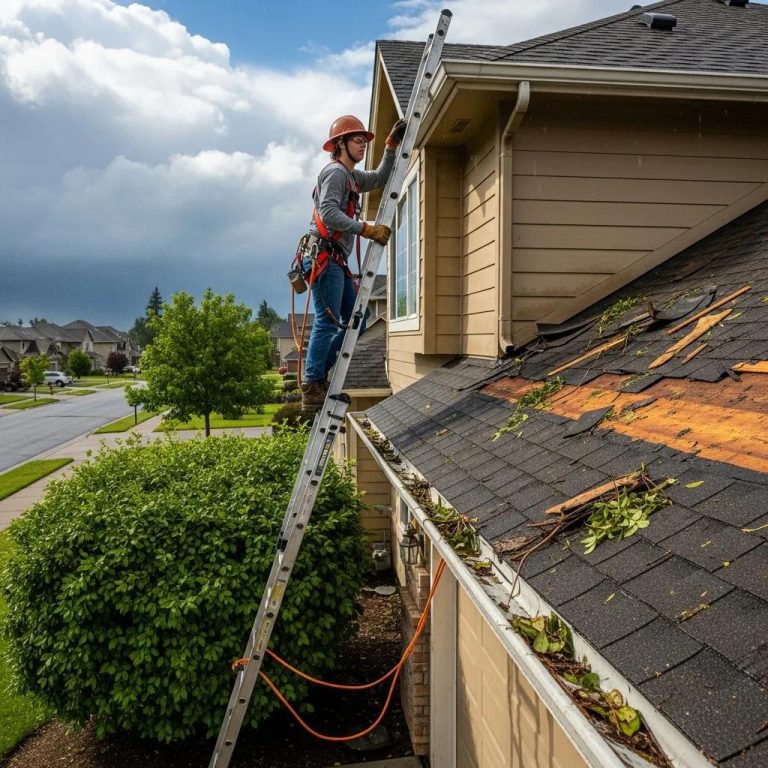
Asphalt shingles represent the most common residential roofing material in North Texas, and they exhibit predictable failure patterns under wind stress. Missing shingles are the most obvious sign of wind damage, typically starting at roof edges and working toward the center. However, damage isn't always this apparent.
Lifted shingles that haven't completely detached create entry points for water while remaining visually intact from ground level. The adhesive seal between shingle layers breaks under repeated wind cycling, allowing moisture to penetrate the underlayment and decking. Creased or bent shingles indicate flexing under wind pressure, compromising their waterproofing capability even if they remain attached.
Granule loss accelerates after wind events as shingles flex and abrade against each other. While some granule loss occurs naturally over time, concentrated loss patterns following storms indicate wind damage that weakens UV protection and shortens shingle lifespan.
| Damage Type | Visibility | Urgency | Potential Consequences |
|---|---|---|---|
| Missing shingles | High | Immediate | Water infiltration, decking damage |
| Lifted shingles | Low to moderate | High | Hidden leaks, mold growth |
| Granule loss | Moderate | Moderate | Accelerated aging, reduced protection |
| Creased shingles | Low | Moderate | Compromised waterproofing |
Flat Roof Membrane Failures
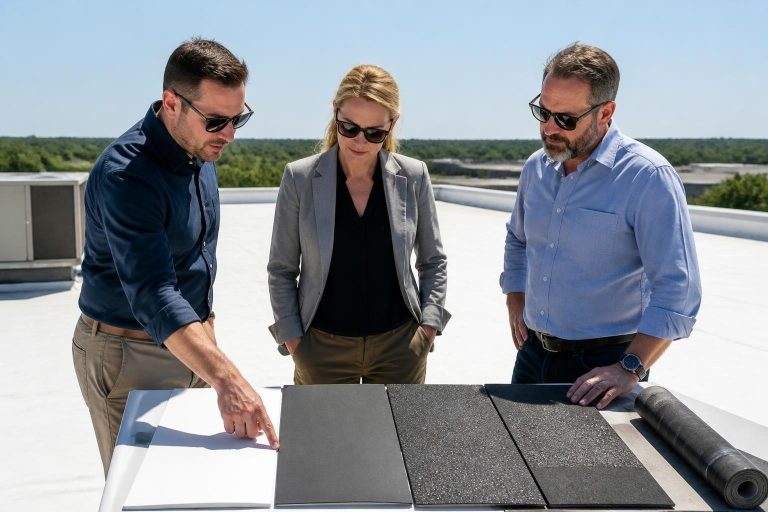
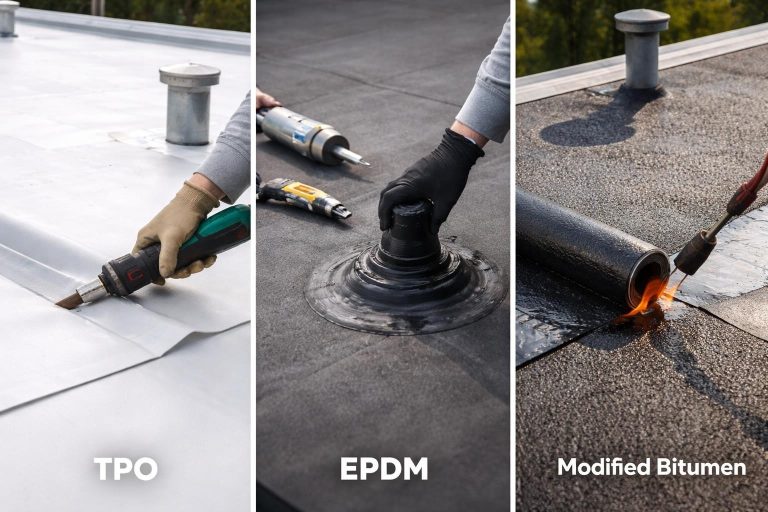
Commercial properties typically utilize single-ply membrane systems like TPO, EPDM, or modified bitumen. These materials face unique wind challenges compared to sloped residential roofs. Wind can work underneath poorly secured membrane edges, progressively peeling back large sections in a phenomenon called "billowing."
Fastener pullout occurs when wind uplift exceeds the holding capacity of mechanical fasteners or adhesive bonds. Once initial fasteners fail, adjacent areas experience increased stress, creating a cascading failure pattern. Seam separation represents another critical vulnerability where membrane sheets join together-inadequate heat welding or adhesive application allows wind to exploit these weak points.
Flashing and Trim Damage
Roof flashing protects vulnerable transition points where roofing materials meet walls, chimneys, vents, and other penetrations. Wind forces can lift flashing away from these surfaces, breaking sealant bonds and creating direct pathways for water entry. Drip edge, rake edge, and gable trim pieces are particularly susceptible because they extend beyond the roof surface, providing wind with leverage to pry them loose.
For properties with metal structures or carports, proper installation becomes even more critical. Quality providers like Metal Structure Sales LLC understand how wind interacts with metal roofing components and ensure proper fastening patterns that resist uplift forces.
Identifying Wind Damage Through Professional Inspection
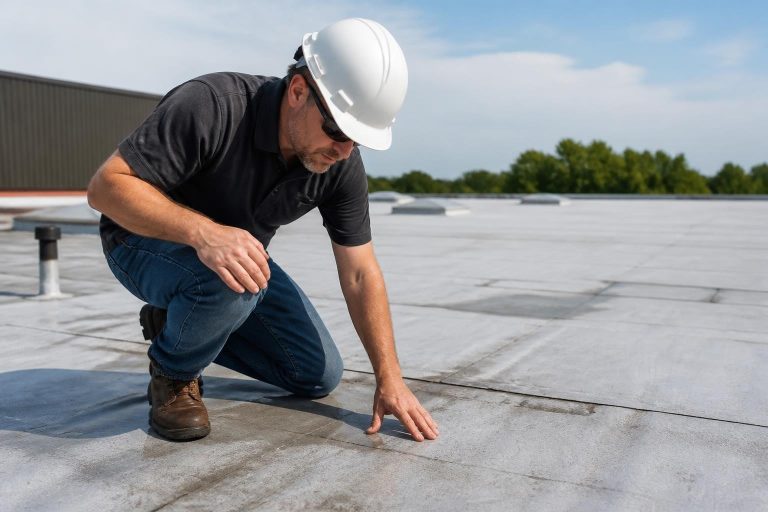
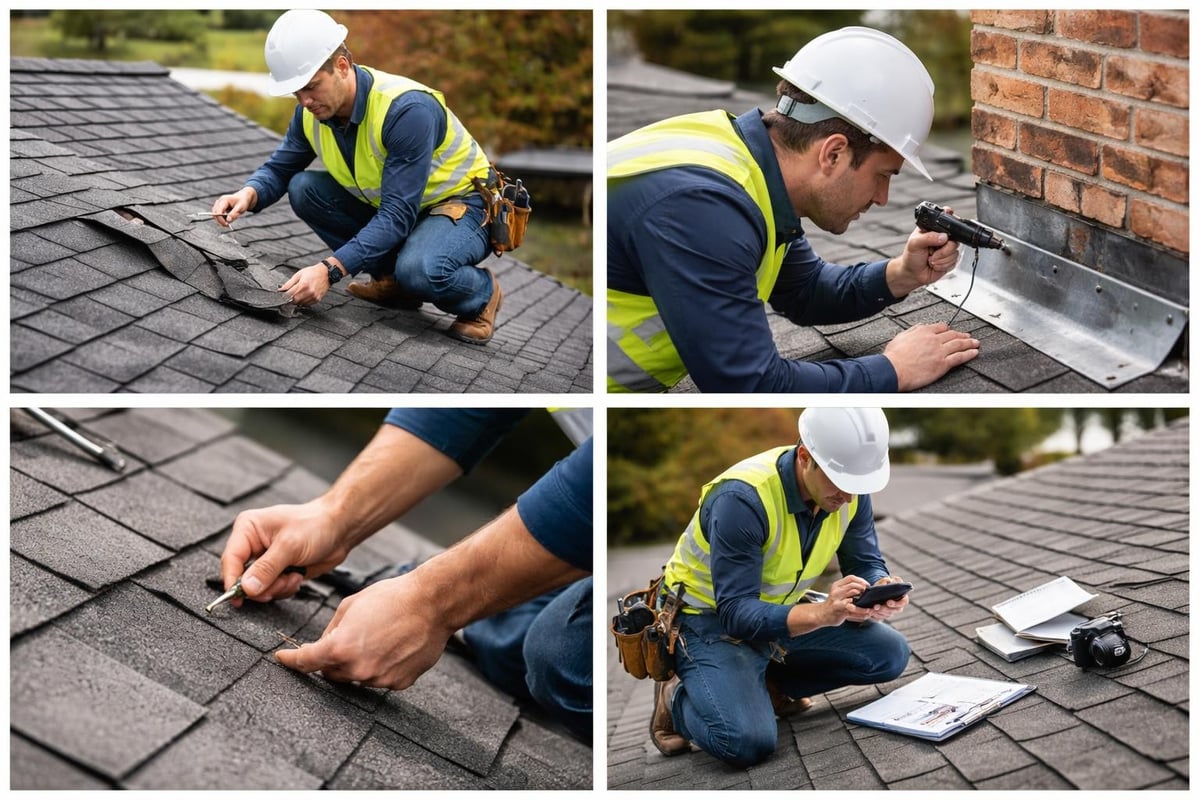
Many property owners underestimate the extent of roof wind damage because the most serious problems aren't visible from the ground. A systematic inspection approach following wind damage assessment protocols reveals hidden issues before they cause interior damage.
Exterior Inspection Points
Professional inspectors examine multiple indicators when assessing potential wind damage:
- Shingle tabs and edges: Looking for lifting, curling, or missing pieces
- Roof planes and field areas: Checking for uniform appearance and granule retention
- Ridge caps and hips: Inspecting high-exposure areas for displacement
- Valleys and transitions: Verifying flashing integrity at critical junctures
- Gutters and downspouts: Examining for granule accumulation indicating shingle deterioration
- Soffit and fascia: Assessing for wind-driven water staining
Collateral damage provides important context for wind events. Damaged fence sections, downed tree limbs, and bent siding all indicate wind forces that likely affected the roof system as well. Documenting these secondary indicators strengthens insurance claims and validates the scope of necessary repairs, which is why working with contractors experienced in roofing insurance claim processes proves valuable.
Interior and Attic Assessment
Wind damage assessment doesn't stop at the roof surface. Interior inspections reveal problems that exterior examinations might miss:
- Attic ventilation systems: Checking for displaced ridge vents or turbine damage
- Roof decking: Looking for sagging, staining, or visible light penetration
- Insulation: Identifying wet or compressed areas indicating water entry
- Framing members: Examining for stress cracks or movement
Thermal imaging technology can identify moisture intrusion that hasn't yet produced visible staining, allowing for intervention before mold develops or structural deterioration progresses.
Wind Resistance Ratings and Building Codes
Understanding wind resistance specifications helps property owners make informed decisions about roofing materials and installation methods. The roofing industry uses standardized testing to classify products according to their ability to withstand wind forces.
Understanding Wind Speed Ratings
Asphalt shingles receive classifications based on ASTM testing methods that simulate wind uplift:
Class D shingles resist winds up to 90 mph, Class G up to 120 mph, and Class H up to 150 mph. However, these ratings assume proper installation according to manufacturer specifications. Inadequate fastening, incorrect nailing patterns, or missing starter strips can reduce actual performance well below rated capacity.
Commercial membrane systems use different standards, with ratings expressed in pounds per square foot (psf) of uplift resistance. Building codes specify minimum requirements based on geographic wind zones, building height, and roof exposure category. Fort Worth falls within wind speed zones that demand robust installation practices, particularly for commercial structures.
Installation Methods That Enhance Wind Resistance
Proper installation techniques significantly impact real-world wind performance:
- Six-nail pattern: Using six fasteners per shingle instead of four in high-wind areas
- Sealed shingles: Ensuring adhesive strips activate properly during installation
- Enhanced edge fastening: Increasing fastener density along roof perimeters
- Improved underlayment: Installing self-adhering membranes at vulnerable locations
Research from real-world wind damage case studies demonstrates that installation quality often matters more than material specifications in determining actual wind resistance.
Preventing Roof Wind Damage
Proactive maintenance and strategic upgrades reduce vulnerability to wind events and extend roof service life. Property owners who invest in prevention typically spend far less than those who address only reactive repairs.
Regular Maintenance Protocols
Establishing a systematic maintenance schedule addresses minor issues before they become major problems:
- Quarterly visual inspections: Walking roof perimeters to check for obvious damage
- Annual professional assessments: Hiring qualified contractors to identify subtle deterioration
- Post-storm evaluations: Scheduling immediate inspections following significant weather events
- Debris removal: Keeping roof surfaces clear of leaves, branches, and accumulated materials
- Gutter maintenance: Ensuring proper drainage to prevent water backup
Property managers overseeing multiple commercial buildings benefit from maintenance contracts with experienced roofing contractors who can systematically monitor entire portfolios and prioritize interventions based on risk assessment.
Strategic Reinforcement Upgrades
For roofs approaching mid-life or located in particularly exposed areas, targeted upgrades improve wind resistance:
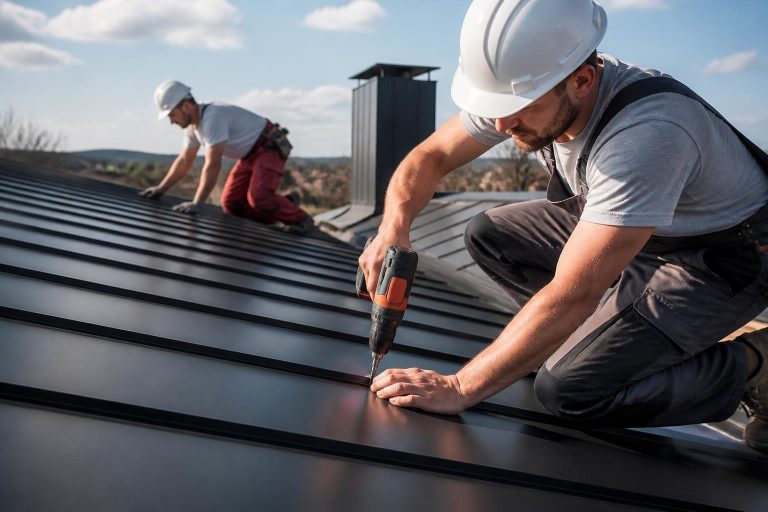
Roof edge enhancement involves installing heavy-duty drip edge and rake trim with increased fastening density. These relatively inexpensive upgrades protect the most vulnerable roof areas where wind forces concentrate. Applying roof sealant to shingle tabs in edge zones provides additional insurance against uplift, though this approach requires careful product selection to avoid trapping moisture or creating adhesion problems.
Commercial properties can benefit from improved attachment systems when re-covering or replacing membrane roofs. Transitioning from mechanically fastened systems to fully adhered installations eliminates the fastener pullout vulnerability, though at higher initial cost.
| Prevention Strategy | Cost Level | Effectiveness | Best Application |
|---|---|---|---|
| Regular inspections | Low | High | All properties |
| Shingle sealing | Low to moderate | Moderate | Residential edges |
| Enhanced fastening | Moderate | High | New installations |
| Fully adhered membranes | High | Very high | Commercial reroofs |
Storm Response and Emergency Repairs
When severe weather strikes, rapid response minimizes secondary damage from water infiltration. Having an action plan before storms occur ensures property owners can act quickly when damage occurs.
Immediate Post-Storm Actions
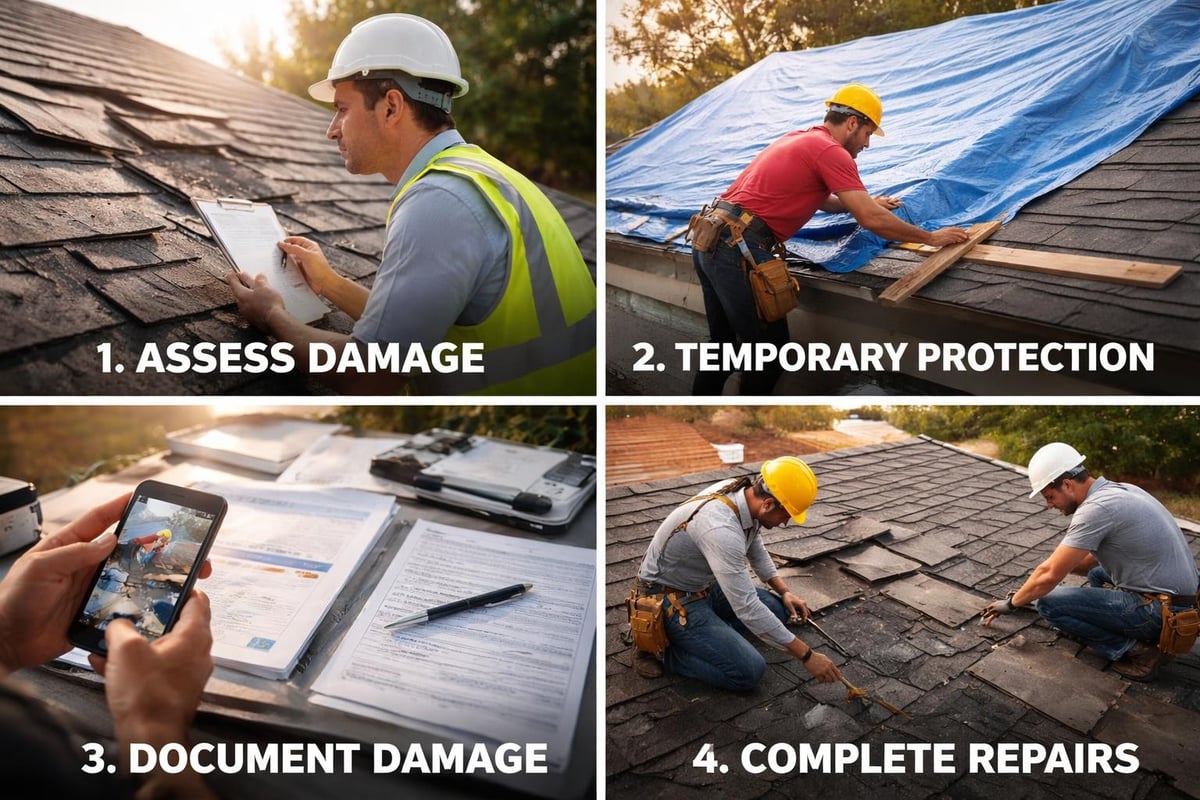
The first 24-48 hours following a wind event are critical for preventing water damage from escalating:
- Document everything: Photograph damage from multiple angles before making temporary repairs
- Install emergency tarping: Cover exposed areas to prevent rain penetration
- Contact insurance: Report claims promptly while storm attribution remains clear
- Secure qualified contractors: Engage insured professionals before demand overwhelms capacity
The National Roofing Contractors Association warns property owners to exercise caution when selecting repair contractors following severe weather, as storm-chasing companies often provide substandard work and disappear before warranty issues surface. Working with established local contractors who maintain in-house crews ensures accountability and quality workmanship.
Working With Insurance Adjusters
Insurance claim success depends on thorough documentation and clear communication. Adjusters assess damage based on visible evidence and industry standards, making professional documentation critical for claim approval.
Detailed photo documentation should capture overall roof condition, specific damage locations, and close-up views showing material failure. Including reference markers (measuring tapes, date stamps) strengthens documentation credibility. Many property owners benefit from having contractors experienced in roof wind damage repair present during adjuster visits to ensure all damage gets identified and properly characterized.
Supplemental claims become necessary when initial assessments underestimate damage scope. As repairs progress, hidden problems often emerge-rotted decking, compromised flashing, or water-damaged framing. Contractors who document these discoveries with photos and explanations help property owners secure additional coverage for necessary repairs.
Long-Term Roof Protection Strategies
Protecting roofs from wind damage requires thinking beyond immediate repairs to comprehensive long-term strategies that address vulnerability at multiple levels.
Material Selection for Wind-Prone Areas
Property owners planning roof replacements should prioritize wind-resistant materials and designs:
Impact-resistant shingles incorporate reinforced mat construction that better withstands both wind uplift and hail impact. These products typically qualify for insurance discounts while providing measurably better performance during severe weather. For commercial applications, mechanically attached insulation systems with increased fastener density provide superior wind resistance compared to minimal-fastening approaches.
Roof geometry influences wind vulnerability significantly. Hip roofs with four sloped sides resist wind better than gable roofs with vertical end walls. While property owners cannot usually change existing roof shapes without major renovation, understanding these relationships helps prioritize protective measures on vulnerable roof sections.
Advanced Risk Assessment Technologies
Emerging technologies enable more precise wind vulnerability assessment. Machine learning frameworks for roof classification help insurers and property owners identify high-risk roof configurations, though these tools are still developing for widespread practical application.
More immediately accessible, drone-based roof inspections provide detailed documentation without requiring physical roof access. High-resolution imagery reveals damage patterns and material condition that ground-based observations miss, particularly on large commercial buildings where roof size makes comprehensive walking inspections impractical.
Regional Considerations for North Texas Properties
Fort Worth's climate and weather patterns create specific roof wind damage risks that differ from coastal hurricane zones or tornado-prone plains regions. Understanding these regional factors helps property owners implement appropriate protection strategies.
Seasonal Wind Patterns
North Texas experiences distinct seasonal wind characteristics:
- Spring storm season: March through May brings severe thunderstorms with straight-line winds and occasional tornadoes
- Summer convective systems: Afternoon thunderstorms produce localized high winds and heavy rain
- Winter cold fronts: Strong northerly winds accompany temperature drops
- Drought conditions: Dry periods increase debris and dust impacts on roof surfaces
These patterns mean Fort Worth property owners face wind threats year-round rather than concentrated seasonal exposure. Continuous vigilance and regular maintenance prove more effective than pre-season preparation alone.
Building Age and Construction Standards
Older properties built before modern wind-load requirements became standard often exhibit greater vulnerability to wind damage. Homes and commercial buildings constructed in the 1970s and 1980s may have minimal roof-to-wall connections, inadequate fastening patterns, and marginal flashing details by current standards.
Retrofit improvements can significantly enhance wind resistance without complete roof replacement. Adding hurricane straps between roof trusses and wall plates, improving shingle fastening, and upgrading flashing systems extend service life and reduce damage risk for aging structures. Understanding how wind interacts with various roof configurations helps contractors identify the most cost-effective improvement opportunities for specific properties.
Commercial vs. Residential Wind Damage Concerns
While wind affects all roofs similarly at a fundamental level, commercial and residential properties face different practical challenges in preventing and addressing roof wind damage.
Commercial Property Challenges
Large commercial roofs present unique difficulties:
Access limitations complicate regular inspections on tall buildings or roofs with limited access points. Property managers often rely on professional assessments rather than visual checks, potentially allowing minor damage to progress undetected. The financial stakes also differ-a damaged residential roof might cost $15,000 to replace, while commercial roofs easily reach six-figure replacement costs.
Equipment penetrations create additional vulnerability points on commercial roofs. HVAC units, exhaust vents, and rooftop access structures disrupt airflow and create turbulence zones where wind forces concentrate. Proper flashing and secure mounting of roof-mounted equipment prevents these features from becoming damage initiation points.
Residential Property Considerations
Homeowners typically notice roof problems through interior signs-water stains, dripping, or visible damage from ground level. This reactive approach means damage has often progressed beyond initial wind events before intervention occurs.
Limited maintenance budgets mean homeowners often defer preventive work until problems become urgent. This pattern increases total lifecycle costs as small issues compound into major failures requiring complete replacement rather than targeted repairs. Establishing relationships with contractors who provide transparent assessments helps homeowners make informed decisions about repair timing and scope, which is why selecting professionals backed by comprehensive roofing warranties provides valuable long-term protection.
The Role of Professional Roofing Contractors
Quality roofing contractors provide value far beyond installing materials. Their expertise in damage assessment, material selection, and proper installation techniques directly impacts how roofs perform during wind events.
What to Look for in a Roofing Contractor
Property owners should evaluate contractors based on multiple criteria:
- Licensing and insurance: Verifying proper credentials protects property owners from liability
- In-house crews: Contractors using subcontractors sacrifice quality control and accountability
- Local presence: Established local companies remain available for warranty service and follow-up
- Documentation practices: Detailed scopes of work and photo documentation support decision-making
- Manufacturer certifications: Training in proper installation techniques ensures materials perform as designed
Emergency response capability matters significantly for commercial properties where downtime creates financial losses. Contractors who offer emergency roof repair services minimize business interruption when unexpected damage occurs.
Understanding Labor Warranties
Labor warranties protect property owners from installation defects that might not become apparent until years after work completion. Standard manufacturer warranties cover material defects but exclude damage from improper installation. Comprehensive labor warranties ensure contractors stand behind their workmanship long-term.
Five-year labor warranties represent industry best practice, though many contractors offer only one or two years. Extended warranty periods indicate contractor confidence in crew training and installation quality. Property owners should verify warranty transferability if they plan to sell, as this feature adds value and reassures buyers about roof condition.
Understanding roof wind damage mechanisms, implementing preventive maintenance, and responding quickly to storm events protects property investments while minimizing long-term repair costs. Wind poses continuous threats to Fort Worth area roofs, making professional assessment and quality repairs essential for maintaining structural integrity and preventing costly water intrusion. When wind damage strikes your commercial or residential property, Texcore Construction provides rapid response with in-house crews, detailed documentation, and transparent recommendations backed by five-year labor warranties. Contact our team for comprehensive roof assessments and reliable repair solutions that stand up to North Texas weather.