Commercial Roof Repair Cost: A 2026 Pricing Guide
Understanding commercial roof repair cost is essential for property owners, facility managers, and business operators who need to budget accurately and make informed decisions about their roofing assets. Commercial roofs represent significant investments that protect inventory, equipment, personnel, and business operations from weather exposure. When repairs become necessary, the financial commitment can range from a few hundred dollars for minor fixes to tens of thousands for extensive restoration work. This guide breaks down the key factors that influence commercial roof repair cost, helping you anticipate expenses and plan maintenance budgets with confidence.
Primary Factors That Determine Commercial Roof Repair Cost
Several core variables directly impact the final price tag for any commercial roofing repair project. The type of roofing material itself plays a fundamental role in determining both labor requirements and material expenses.
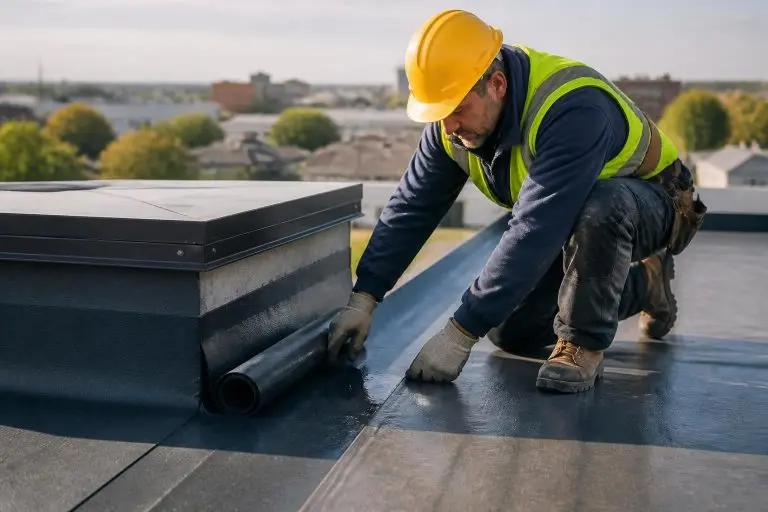
Material-specific pricing differences are substantial. TPO and EPDM rubber membranes typically cost between $4 and $8 per square foot for repairs, while modified bitumen systems range from $5 to $10 per square foot. Metal roofing repairs generally run $6 to $12 per square foot, and built-up roofing (BUR) systems often fall between $7 and $15 per square foot depending on the number of plies requiring replacement.
The extent of damage significantly influences commercial roof repair cost. Minor repairs addressing isolated punctures, small tears, or localized flashing failures typically cost between $300 and $1,500. Moderate repairs involving larger membrane sections, multiple penetration points, or drainage issues generally range from $1,500 to $7,500. Major repairs requiring extensive membrane replacement, structural reinforcement, or widespread deterioration correction can easily exceed $10,000 and approach replacement territory in severe cases.
Square Footage and Accessibility Impact
Building size and roof access conditions create substantial pricing variations. Larger repair areas require more materials, extended labor hours, and increased equipment usage. A 1,000 square foot repair section will naturally cost more than a 100 square foot patch, but economies of scale often reduce the per-square-foot cost on larger projects.
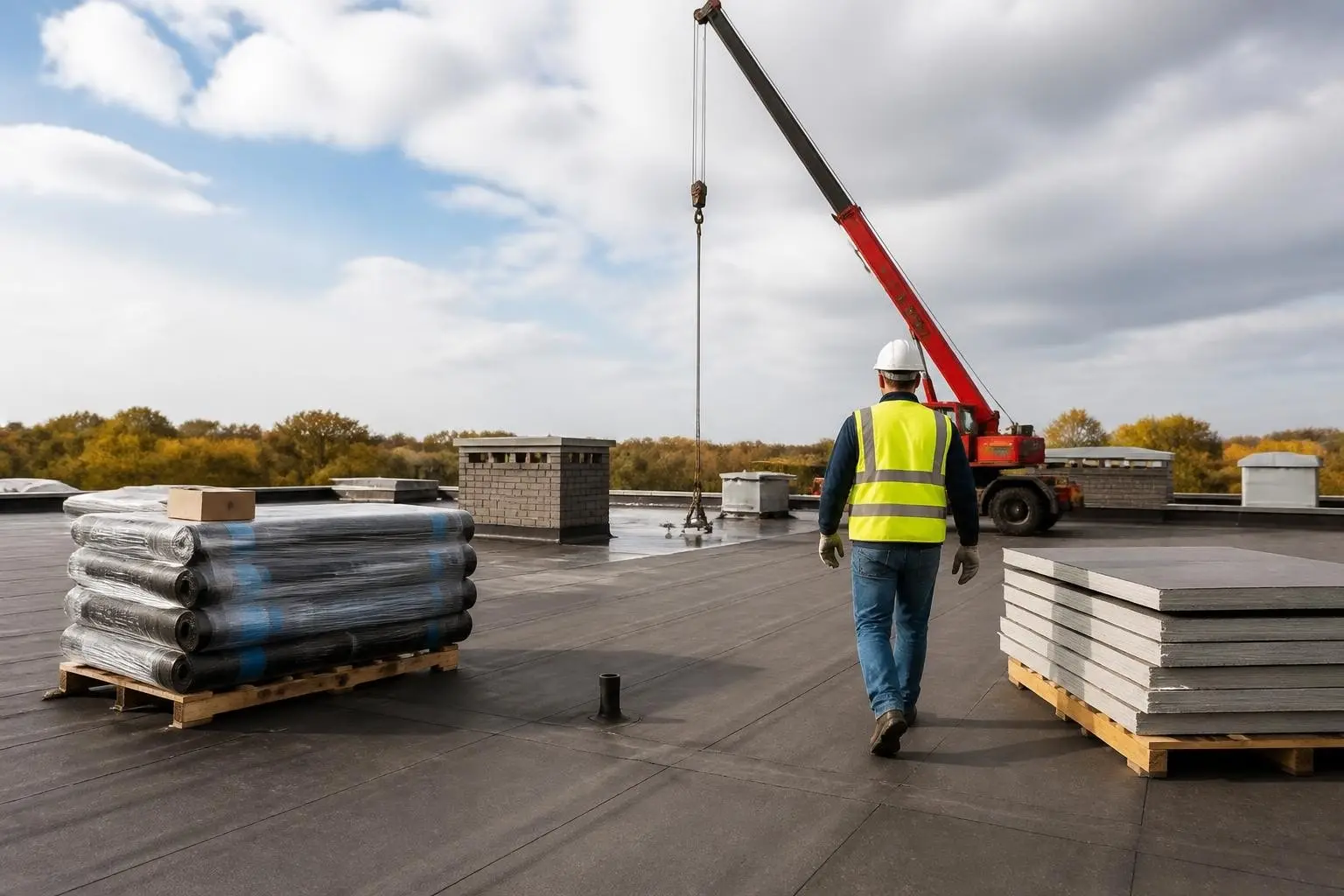
Accessibility challenges add significant labor expenses to commercial roof repair cost. Buildings requiring crane access, specialized lift equipment, or scaffolding installation increase project costs by 15% to 40%. Roofs with limited access points, steep pitches, or multiple elevation changes demand additional safety equipment and extended setup time. These logistical factors directly translate to higher labor costs and extended project timelines.
Breaking Down Material and Labor Expenses
Material costs represent approximately 30% to 45% of total commercial roof repair cost for most projects, while labor accounts for 40% to 55%. The remaining percentage covers equipment rental, disposal fees, and overhead expenses.
Labor rates in the Fort Worth area typically range from $45 to $85 per hour per crew member depending on the complexity of work, specialized certifications required, and the contractor's experience level. A standard two-person crew completing a moderate repair might accumulate 8 to 16 labor hours, translating to $720 to $2,720 in labor costs alone before materials.
Material pricing fluctuates based on market conditions, manufacturer specifications, and order quantities. According to industry cost analysis, TPO membrane currently costs $0.80 to $1.50 per square foot wholesale, while EPDM rubber runs $0.75 to $1.30 per square foot. Adhesives, primers, fasteners, and flashing materials add another $0.30 to $0.90 per square foot depending on the repair scope.
| Repair Type | Material Cost Range | Labor Cost Range | Total Cost Estimate |
|---|---|---|---|
| Small leak patch (under 50 sq ft) | $100-$300 | $200-$600 | $300-$900 |
| Medium membrane repair (100-300 sq ft) | $400-$1,200 | $800-$2,400 | $1,200-$3,600 |
| Large section replacement (500+ sq ft) | $2,000-$6,000 | $3,500-$8,500 | $5,500-$14,500 |
| Flashing and parapet work | $300-$900 | $600-$1,800 | $900-$2,700 |
Common Commercial Roof Repair Scenarios and Pricing
Different types of commercial roof damage require distinct repair approaches, each carrying specific cost implications. Understanding these common scenarios helps property managers anticipate expenses when issues arise.
Leak repairs represent the most frequent commercial roofing service call. Simple leak repairs caused by single penetration failures or minor membrane damage typically cost $400 to $1,500 when addressed promptly. When companies like Texcore Construction offer emergency roof repair services, quick response prevents minor leaks from escalating into extensive water damage that multiplies repair costs exponentially.
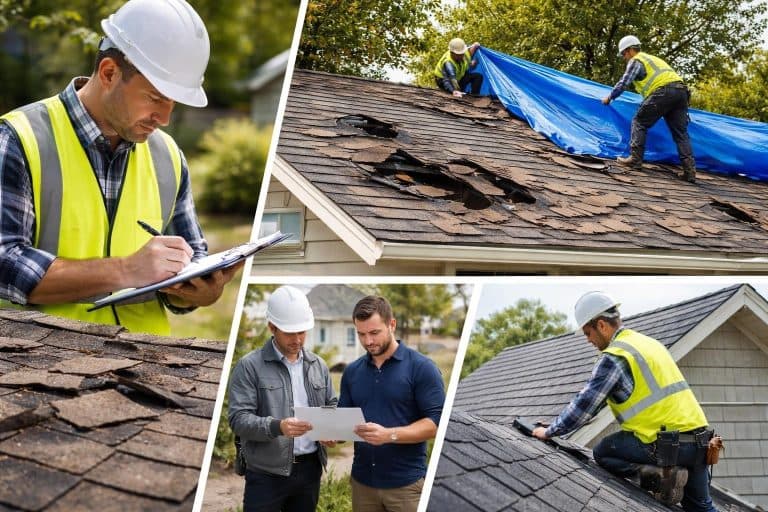
Storm damage repairs vary widely based on impact severity and affected area. Hail damage requiring scattered membrane patches across a 10,000 square foot roof might cost $4,000 to $9,000, while wind damage involving torn sections and compromised flashing could reach $8,000 to $18,000 depending on the extent of membrane replacement needed.
Drainage and Flashing Repairs
Drainage system repairs addressing clogged drains, damaged scuppers, or failed gutter connections typically range from $500 to $2,500 per location. These repairs prevent standing water that accelerates membrane deterioration and creates leak pathways. Commercial flat roof repair costs often increase when drainage problems go unaddressed, allowing water intrusion to damage insulation and structural decking.
Flashing repairs around HVAC units, skylights, vents, and parapet walls constitute another common expense category. Single penetration flashing repairs cost $250 to $800, while comprehensive flashing replacement for multiple penetrations can reach $3,000 to $7,000 on complex roofs with numerous mechanical units.
- Roof penetration flashing: $250-$800 per unit
- Parapet wall flashing: $15-$35 per linear foot
- Pipe boot replacement: $150-$400 each
- HVAC curb flashing: $400-$1,200 per unit
- Skylight flashing system: $600-$2,000 per skylight
Hidden Costs That Impact Total Project Price
Several less obvious expenses can significantly increase commercial roof repair cost beyond initial estimates. Substrate damage beneath visible membrane problems often remains undetected until contractors begin repair work.
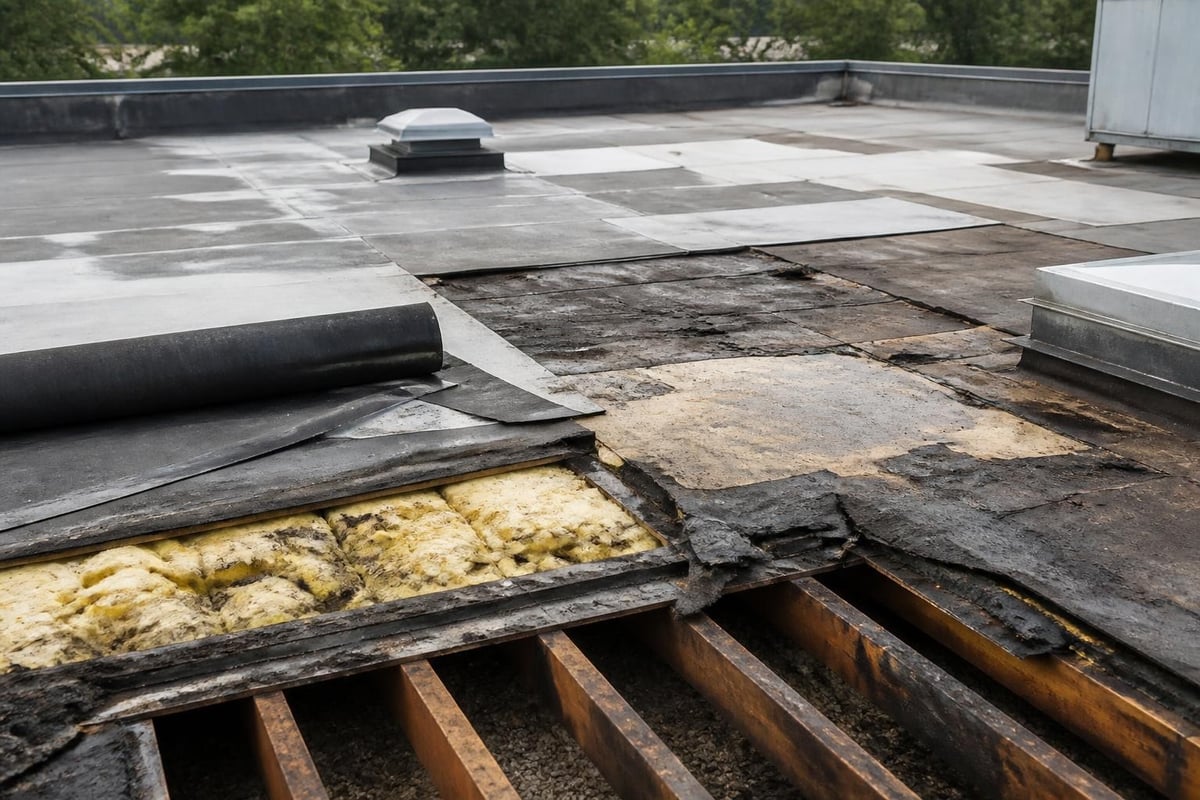
Insulation replacement adds substantial costs when water intrusion saturates the insulation layer. Polyisocyanurate insulation replacement costs $2 to $4 per square foot, while high-density EPS foam runs $1.50 to $3 per square foot. Wet insulation must be removed and replaced to restore thermal performance and prevent continued deterioration, potentially adding $2,000 to $12,000 to repair projects.
Decking repairs represent another potentially significant hidden expense. Damaged plywood or metal decking requires structural reinforcement before membrane installation. Plywood deck replacement costs $4 to $7 per square foot installed, while metal deck repair ranges from $8 to $15 per square foot depending on fastening requirements and structural modifications needed.
Permit and Compliance Expenses
Municipal permits add $150 to $800 to commercial roof repair cost in most Texas jurisdictions, depending on project scope and building valuation. Fort Worth requires permits for repairs exceeding specific square footage thresholds and any work involving structural modifications. Professional roofing contractors handle permit acquisition as part of comprehensive service, but budget-conscious property managers should account for these regulatory costs.
Building code compliance upgrades sometimes become necessary during repair projects, particularly on older structures. Bringing roof systems up to current wind resistance standards, fire ratings, or energy efficiency requirements can increase project costs by 10% to 30% but provides long-term value through improved performance and reduced insurance premiums.
How Roof Age and Condition Influence Repair Pricing
The age and overall condition of a commercial roof system directly correlate with repair costs and the viability of continued maintenance versus full replacement. Newer roofs with isolated damage typically justify cost-effective repairs, while aging systems approaching the end of their service life require careful cost-benefit analysis.
Commercial roofs under 10 years old with localized damage usually benefit from straightforward repairs costing 5% to 15% of full replacement value. These repairs restore the roof to full functionality and maintain warranty coverage from manufacturers who require proper maintenance documentation.
Roofs between 10 and 20 years old present more complex decisions. Repair costs often increase due to material deterioration, outdated product lines requiring custom fabrication, and the likelihood of discovering additional problems during repair work. According to commercial roof maintenance cost analysis, middle-aged commercial roofs frequently require repairs costing $3 to $8 per square foot annually to maintain weather-tight performance.
| Roof Age | Typical Repair Cost | Repair Viability | Replacement Threshold |
|---|---|---|---|
| 0-8 years | $2-$6 per sq ft | Highly cost-effective | Repairs over 40% of replacement cost |
| 8-15 years | $4-$9 per sq ft | Usually justified | Repairs over 50% of replacement cost |
| 15-20 years | $6-$12 per sq ft | Case-by-case analysis | Repairs over 60% of replacement cost |
| 20+ years | $8-$15 per sq ft | Often not economical | Repairs over 70% of replacement cost |
Roofs exceeding 20 years typically face diminishing returns on repair investments. Widespread deterioration, obsolete materials requiring custom fabrication, and the high probability of recurring failures often make comprehensive replacement more cost-effective than continued repairs. Property managers should request detailed condition assessments comparing five-year repair projections against replacement costs when dealing with aging roof systems.
Regional Cost Variations and Market Factors
Geographic location significantly impacts commercial roof repair cost through labor market conditions, material transportation expenses, and regional weather patterns that influence repair urgency and methodology.
Fort Worth's commercial roofing market reflects Texas's competitive contractor landscape with labor rates generally 8% to 15% below coastal metropolitan areas like Houston or Corpus Christi. However, seasonal demand fluctuations create pricing variations throughout the year. Spring and early summer following severe weather events typically see 12% to 25% price increases due to high demand and contractor scheduling constraints.
Material costs in North Texas benefit from central distribution networks and competitive wholesale suppliers. Proximity to major manufacturing facilities and transportation corridors keeps material expenses moderate compared to remote or coastal locations. However, specialized materials requiring long-distance shipping or custom fabrication still carry premium pricing regardless of geographic advantages.
Seasonal Pricing Considerations
Winter months from December through February typically offer the most competitive commercial roof repair cost due to reduced demand and contractor availability. Property managers with non-emergency repairs can often negotiate 10% to 18% discounts during slower periods. However, cold weather may limit certain repair methodologies and extend project timelines due to adhesive curing requirements.
Summer's intense heat creates optimal working conditions for most commercial roofing materials but coincides with peak demand periods. Commercial roof repair specialists often schedule multiple projects simultaneously during favorable weather, potentially extending lead times but maintaining competitive pricing through operational efficiency.
Storm season from March through June drives emergency repair demand and premium pricing for immediate response. Property managers facing active leaks during peak periods may pay 20% to 40% premiums for same-day service compared to scheduled maintenance repairs completed during slower periods.
Preventive Maintenance Impact on Long-Term Costs
Proactive maintenance programs dramatically reduce long-term commercial roof repair cost by identifying minor issues before they escalate into major failures requiring expensive emergency repairs.
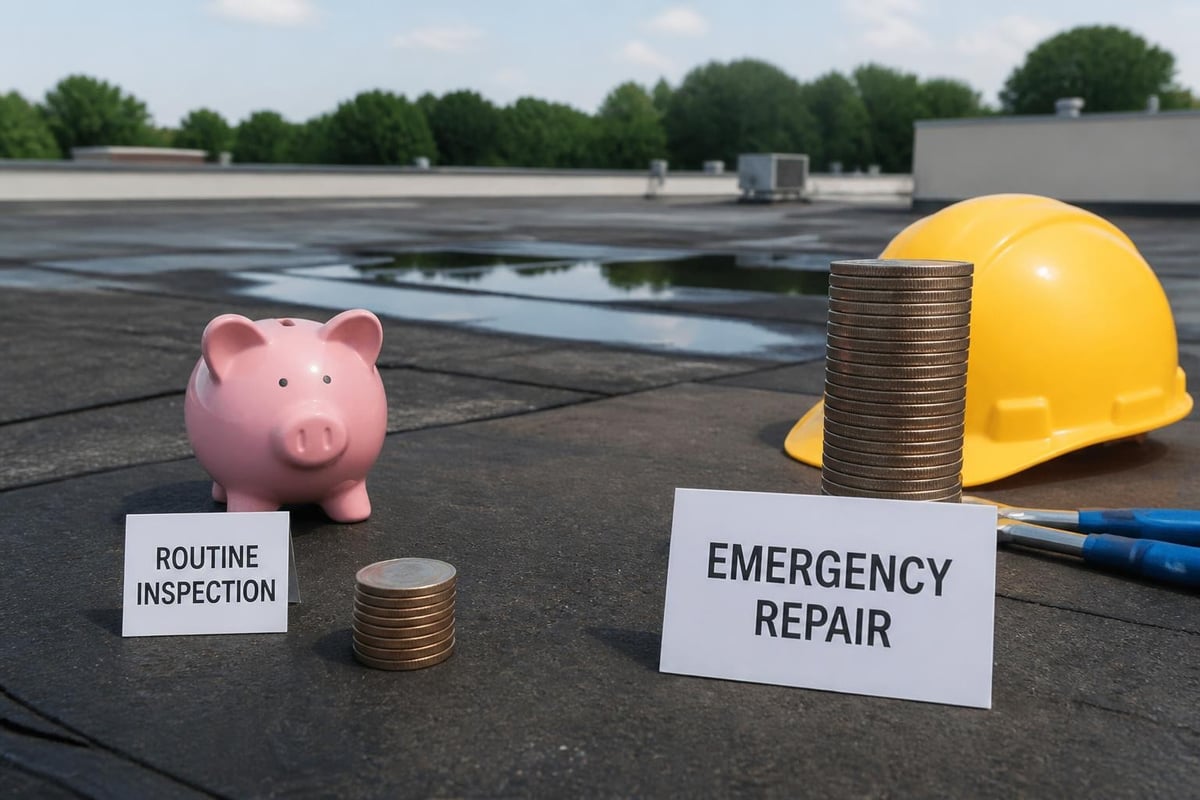
Annual maintenance inspections costing $300 to $800 typically identify problems requiring $500 to $2,000 in preventive repairs rather than waiting for failures that generate $5,000 to $15,000 emergency repair bills. This 3:1 to 7:1 cost ratio makes routine maintenance one of the most valuable investments property managers can make in commercial roofing assets.
Comprehensive maintenance programs include:
- Biannual inspections documenting roof conditions
- Immediate minor repairs addressing small issues
- Drain cleaning and debris removal
- Flashing inspection and sealant maintenance
- Documentation supporting warranty compliance
According to spring maintenance planning recommendations, scheduled roof inspections before severe weather season prevent emergency situations and allow property managers to budget repair expenses rather than facing unexpected capital outlays.
Warranty Protection and Documentation Requirements
Manufacturer warranties on commercial roofing systems require documented maintenance to remain valid. Missing a single required inspection can void warranties worth tens of thousands of dollars. Property managers should maintain detailed service records including:
- Inspection reports with photographic documentation
- Repair invoices and material specifications
- Contractor certifications and insurance verification
- Maintenance activity logs with dates and findings
Companies like Texcore Construction provide comprehensive documentation supporting both warranty compliance and insurance claim preparation, ensuring property owners have the records needed to protect their roofing investments and support damage assessments when necessary.
Budgeting Strategies for Commercial Roof Repairs
Effective budget planning for commercial roof repair cost requires understanding both immediate repair needs and projected long-term expenses. Property managers should develop multi-year capital plans that account for predictable deterioration patterns and potential emergency scenarios.
Reserve funding represents the most financially prudent approach to commercial roofing expenses. Industry guidelines suggest setting aside $0.15 to $0.40 per square foot annually for commercial roof repairs and maintenance on buildings with roofs under 15 years old. This reserve funding accumulates resources for both routine maintenance and unexpected repair needs without disrupting operational budgets.
Older roofs approaching replacement thresholds require higher annual reserves of $0.50 to $1.20 per square foot to address increased repair frequency and prepare for eventual replacement costs. This graduated reserve strategy prevents budget shocks when major expenditures become necessary.
Financing Options and Cost Management
Several financing mechanisms help property managers address commercial roof repair cost without depleting capital reserves or disrupting cash flow:
- Equipment financing: 3-7 year terms at 6%-10% interest for major repairs
- Operating leases: Spread costs over repair service life with predictable payments
- Line of credit: Flexible funding for emergency repairs with variable rates
- Capital improvement budgets: Dedicated annual allocations from property income
Property managers should evaluate total cost of financing against the urgency of repairs and available cash reserves. Emergency repairs addressing active leaks justify higher financing costs to prevent extensive interior damage, while scheduled maintenance repairs benefit from competitive bidding and flexible payment terms.
Comparing Repair Costs Across Different Roof Systems
Different commercial roofing systems present distinct repair cost profiles based on material characteristics, installation methods, and typical failure modes. Understanding these differences helps property managers make informed decisions about both immediate repairs and long-term roof system selection.
Single-ply membrane systems like TPO and EPDM offer relatively economical repair costs ranging from $4 to $8 per square foot for typical damage scenarios. These systems use heat welding or adhesive bonding for repairs, creating strong seams without extensive surface preparation. Minor punctures and tears often cost $300 to $900 to repair, making these systems maintenance-friendly for properties with moderate foot traffic or occasional mechanical work.
Modified bitumen systems require torch application or cold adhesives for repairs, with costs ranging from $5 to $10 per square foot. These multi-ply systems provide excellent durability but demand more intensive labor for proper repairs. Surface granule degradation and seam failures represent common issues costing $1,200 to $3,500 to address depending on affected area.
| Roof System | Minor Repair Cost | Moderate Repair Cost | Major Repair Cost | Average Per Sq Ft |
|---|---|---|---|---|
| TPO Membrane | $300-$800 | $1,500-$4,000 | $6,000-$12,000 | $4-$8 |
| EPDM Rubber | $350-$900 | $1,400-$3,800 | $5,500-$11,500 | $4-$7 |
| Modified Bitumen | $450-$1,100 | $2,000-$5,000 | $8,000-$15,000 | $5-$10 |
| Built-Up Roofing | $500-$1,300 | $2,500-$6,500 | $10,000-$20,000 | $7-$15 |
| Metal Roofing | $400-$1,000 | $2,200-$5,500 | $9,000-$18,000 | $6-$12 |
Metal roofing systems present unique repair considerations. According to metal roof restoration cost analysis, addressing fastener failures, panel replacements, and coating applications ranges from $6 to $12 per square foot. While individual panel replacement costs $400 to $1,000 per section, metal roofs often justify these expenses through 40-50 year service lives exceeding membrane systems by 15-25 years.
When Repairs Become Uneconomical
Property managers must recognize the threshold where continued commercial roof repair cost exceeds the value delivered, signaling the need for comprehensive replacement rather than ongoing maintenance investments.
The 50% rule provides useful guidance: when cumulative repair costs within a three-year period exceed 50% of full replacement value, replacement typically delivers better long-term economics than continued repairs. A 20,000 square foot roof with a $140,000 replacement cost ($7 per square foot) should trigger replacement consideration when repair expenses exceed $70,000 over three years.
Multiple repair cycles addressing recurring problems indicate systemic failures rather than isolated issues. Property managers facing the third or fourth repair addressing similar locations or failure modes should request comprehensive roof assessments comparing replacement economics against projected repair trajectories. Commercial roof repair cost considerations emphasize life-cycle analysis over simple repair versus replacement comparisons.
Calculating Total Cost of Ownership
Comprehensive financial analysis should include:
- Projected repair costs over remaining roof life
- Energy efficiency differences affecting operating costs
- Insurance premium variations based on roof condition
- Warranty coverage value and remaining duration
- Tax depreciation benefits of replacement versus repair capitalization
A roof requiring $8,000 in annual repairs with 5-7 years of remaining service life faces $40,000 to $56,000 in projected costs. Replacement costing $140,000 but delivering 20-25 years of warranty-backed performance with minimal repairs presents compelling economics despite the higher initial investment.
Insurance Claim Considerations for Storm Damage
Storm-damaged commercial roofs generate complex repair cost scenarios involving insurance coverage, deductibles, and documentation requirements. Understanding the insurance claim process helps property managers maximize coverage while maintaining realistic cost expectations.
Property insurance policies typically cover sudden, accidental damage from wind, hail, and storm events but exclude gradual deterioration and maintenance-related failures. Determining coverage eligibility requires thorough damage documentation distinguishing storm impact from pre-existing conditions. Companies specializing in roof damage documentation provide detailed inspection reports property owners submit to their insurance adjusters, supporting claim evaluation without making coverage determinations.
Commercial property deductibles typically range from $2,500 to $25,000 depending on policy structure and building value. Property managers must fund repairs below deductible thresholds from operating budgets or capital reserves. Insurance claim documentation specialists measure and photograph damage thoroughly, providing property owners with professional assessment reports their insurance companies evaluate during the claims process.
Documentation Requirements
Comprehensive storm damage documentation should include:
- Pre-storm roof condition reports when available
- Detailed photographs of all damaged areas with measurements
- Material specifications for proper replacement matching
- Cost estimates itemizing materials, labor, and related expenses
- Timeline documentation correlating damage to specific weather events
Professional documentation supporting insurance evaluation costs $400 to $1,200 depending on roof size and complexity but provides property owners with detailed evidence supporting their claim submissions. This investment typically delivers significant returns when insurance coverage reimburses substantial repair expenses beyond policy deductibles.
Contractor Selection Impact on Final Costs
Choosing qualified commercial roofing contractors significantly influences both immediate commercial roof repair cost and long-term repair performance. Low-bid contractors often deliver substandard work requiring costly remediation, while experienced professionals provide durable repairs backed by meaningful warranties.
In-house crews versus subcontractor models create substantial quality and accountability differences. Contractors employing dedicated roofing crews maintain consistent quality standards, clear communication channels, and direct supervision throughout projects. Subcontractor-dependent companies introduce variable quality, coordination challenges, and accountability gaps that frequently result in callbacks and warranty issues.
Qualification verification should examine:
- Manufacturer certifications for specific roofing systems
- Insurance coverage including general liability and workers compensation
- References from similar commercial projects completed recently
- Warranty terms covering both materials and labor
- Documentation practices supporting property owner needs
According to commercial roof leak repair guidance, professional leak detection services using infrared thermography and moisture meters identify problems precisely, preventing unnecessary repair expenses while ensuring complete damage remediation. These diagnostic services cost $400 to $1,200 but often save thousands by targeting repairs accurately rather than using trial-and-error approaches.
Warranty Coverage and Long-Term Value
Labor warranty duration directly correlates with contractor confidence in workmanship quality. Standard one-year warranties provide minimal protection, while five-year labor warranties demonstrate commitment to installation quality and long-term customer relationships. Extended warranties add negligible immediate cost but deliver substantial value when unexpected failures occur during the coverage period.
Material warranties from roofing manufacturers require proper installation by certified contractors following specific procedures. Warranty violations during repairs can void coverage worth thousands of dollars, making contractor certification verification essential before authorizing work. Property managers should request written warranty confirmation identifying coverage terms, duration, and any exclusions affecting future claims.
Understanding commercial roof repair cost empowers property managers to budget effectively, respond appropriately to damage, and make informed decisions balancing immediate expenses against long-term value. By considering material types, damage severity, building characteristics, and contractor qualifications, you can anticipate costs accurately and invest maintenance dollars wisely. When your commercial property needs professional roofing expertise backed by detailed documentation, in-house crews, and transparent recommendations, Texcore Construction delivers dependable solutions with five-year labor warranties and same-day emergency response throughout the Fort Worth area.