
Sheet Metal Roofing Near Me: Complete Local Guide
When property owners search for sheet metal roofing near me, they're often looking for a durable, long-lasting solution that can withstand harsh weather conditions while providing excellent energy efficiency. Sheet metal roofing has become increasingly popular across Fort Worth and surrounding areas due to its exceptional lifespan, low maintenance requirements, and modern aesthetic appeal. Understanding the various types of metal roofing systems, local contractor qualifications, pricing structures, and installation considerations helps homeowners and business owners make informed decisions about this significant investment in their property's protection.
Understanding Sheet Metal Roofing Materials and Types
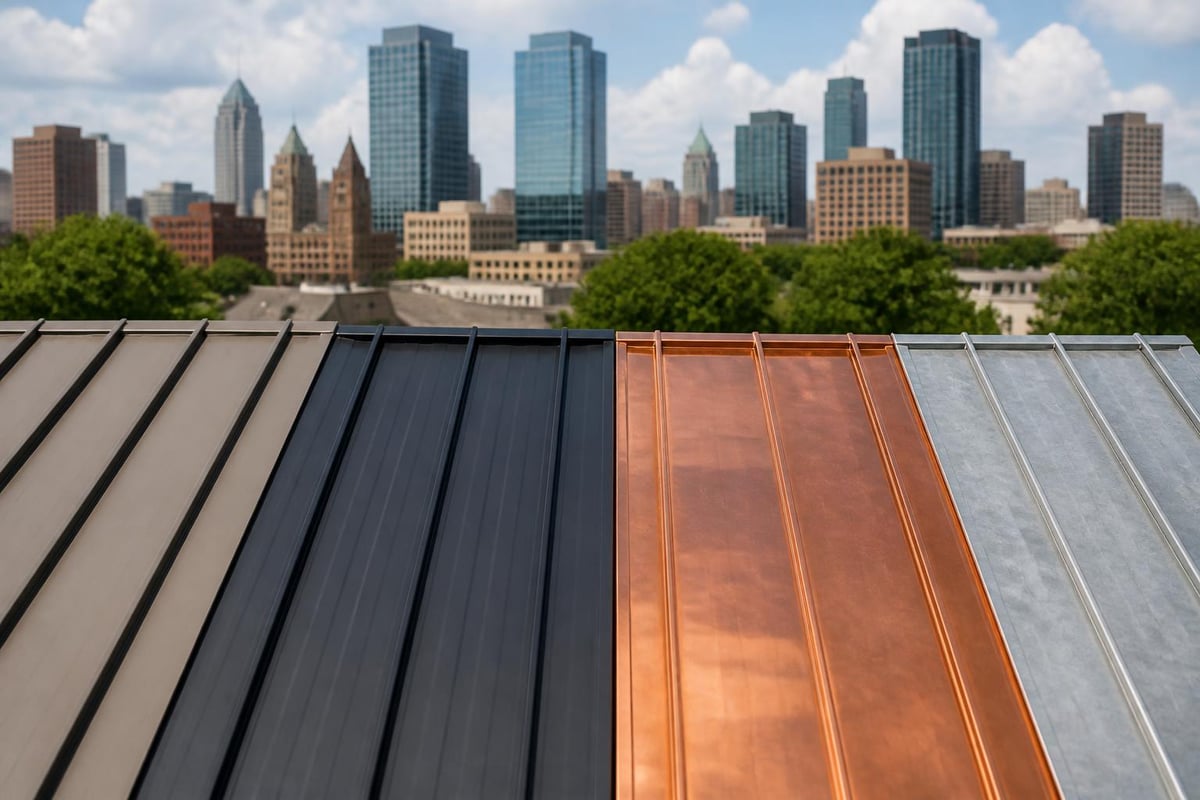
Sheet metal roofing encompasses several distinct materials, each offering unique benefits and performance characteristics. The most common options available through local contractors include steel, aluminum, copper, and zinc roofing systems.
Steel roofing dominates the residential and commercial market due to its strength, affordability, and versatility. Galvanized steel features a protective zinc coating that prevents rust, while Galvalume steel combines zinc and aluminum for enhanced corrosion resistance. Stone-coated steel adds a textured finish that mimics traditional roofing materials.
Material Comparison for Local Climates
The Fort Worth climate presents specific challenges that influence material selection. Extreme temperature fluctuations, severe thunderstorms, and occasional hail events require roofing materials that can expand and contract without degrading.
| Material | Lifespan | Weight | Cost Range | Best Application |
|---|---|---|---|---|
| Steel | 40-70 years | Medium | $$ | Commercial and residential |
| Aluminum | 50+ years | Light | $$$ | Coastal or humid areas |
| Copper | 70-100+ years | Medium | $$$$ | Premium residential |
| Zinc | 60-100 years | Medium | $$$$ | Architectural projects |
Corrugated metal roofing represents one of the most recognizable styles, featuring wavy panels that provide excellent water runoff and structural rigidity. Standing seam systems offer a sleeker, contemporary appearance with concealed fasteners that reduce leak potential and enhance weather resistance.
Panel Profiles and Design Options
Standing seam panels feature vertical legs with a flat area between them, creating raised seams that interlock and allow for thermal expansion. This design eliminates exposed fasteners, significantly reducing maintenance needs and potential leak points.
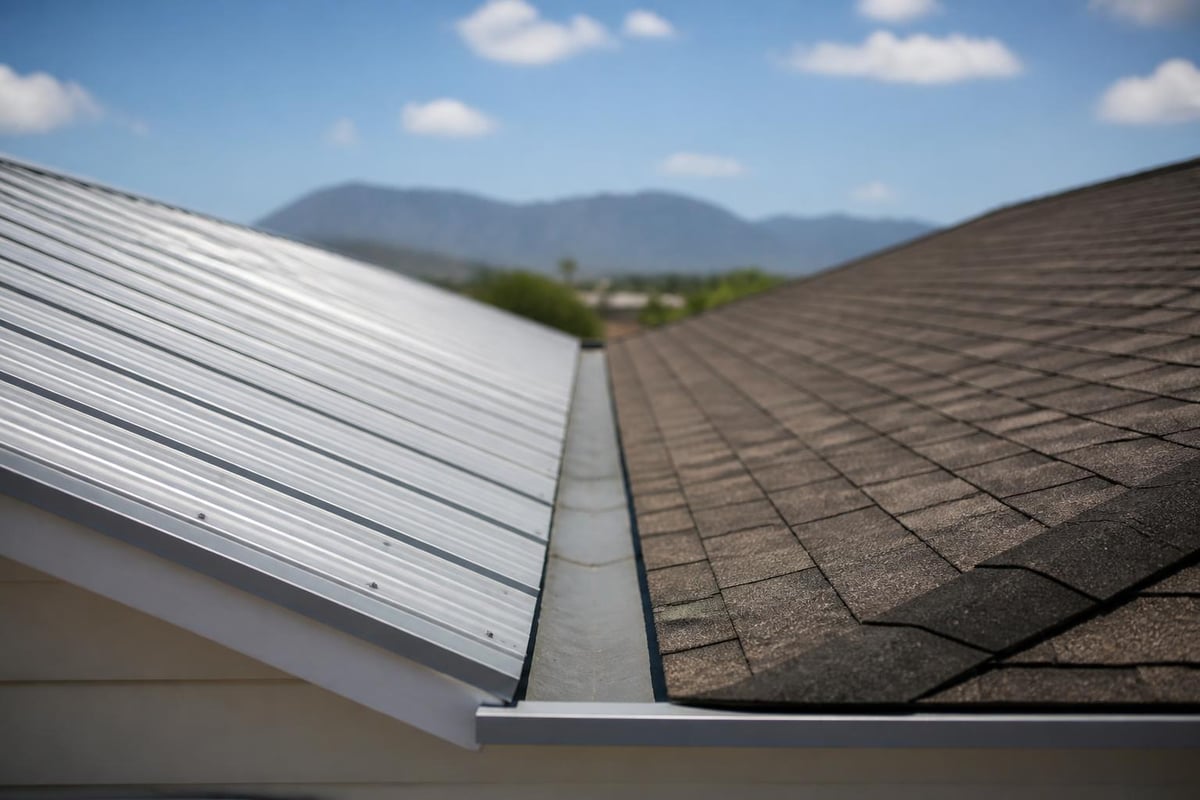
Corrugated and ribbed panels provide cost-effective coverage with excellent strength-to-weight ratios. These panels work well for agricultural buildings, warehouses, and budget-conscious residential projects. The exposed fastener system requires periodic inspection and maintenance but offers easier repairs when needed.
Architectural panels combine aesthetic appeal with functional performance. These systems include stone-coated steel shingles, metal tiles, and specialty profiles that replicate traditional roofing materials while delivering metal roofing's superior durability.
Finding Qualified Local Sheet Metal Roofing Contractors
Searching for sheet metal roofing near me requires careful vetting to identify contractors with specific metal roofing expertise. Not all roofing companies possess the specialized knowledge and equipment necessary for proper metal roof installation.
Licensing and insurance verification represents the first critical step. Texas requires roofing contractors to maintain proper licensing, general liability insurance, and workers' compensation coverage. Request documentation and verify credentials directly with insurance providers rather than relying solely on contractor representations.
Contractor Evaluation Criteria
- Metal roofing specialization: Years of experience specifically with metal systems
- Manufacturer certifications: Training and approval from metal roofing manufacturers
- In-house crews vs. subcontractors: Direct employee oversight ensures quality control
- Portfolio and references: Recent local projects similar to your needs
- Warranty offerings: Both material and labor warranty terms
Quality contractors provide detailed written estimates that break down material specifications, labor costs, removal and disposal fees, and any additional structural work required. Vague or incomplete estimates often signal inexperienced contractors or potential change orders later.
The types of metal roofing materials available through local suppliers influence both performance and pricing. Contractors with established relationships with regional distributors often secure better pricing and faster material delivery, particularly important when weather windows dictate installation schedules.
Sheet Metal Roofing Installation Considerations
Proper installation determines whether a metal roof achieves its expected lifespan or fails prematurely. Sheet metal roofing systems require specific installation techniques that differ significantly from asphalt shingle application.
Roof deck preparation begins with thorough inspection of the existing structure. Metal roofing can often be installed over existing shingles in residential applications, reducing removal costs and landfill waste. However, commercial projects and roofs with multiple shingle layers typically require complete tear-off to address any underlying deck damage.
Critical Installation Steps
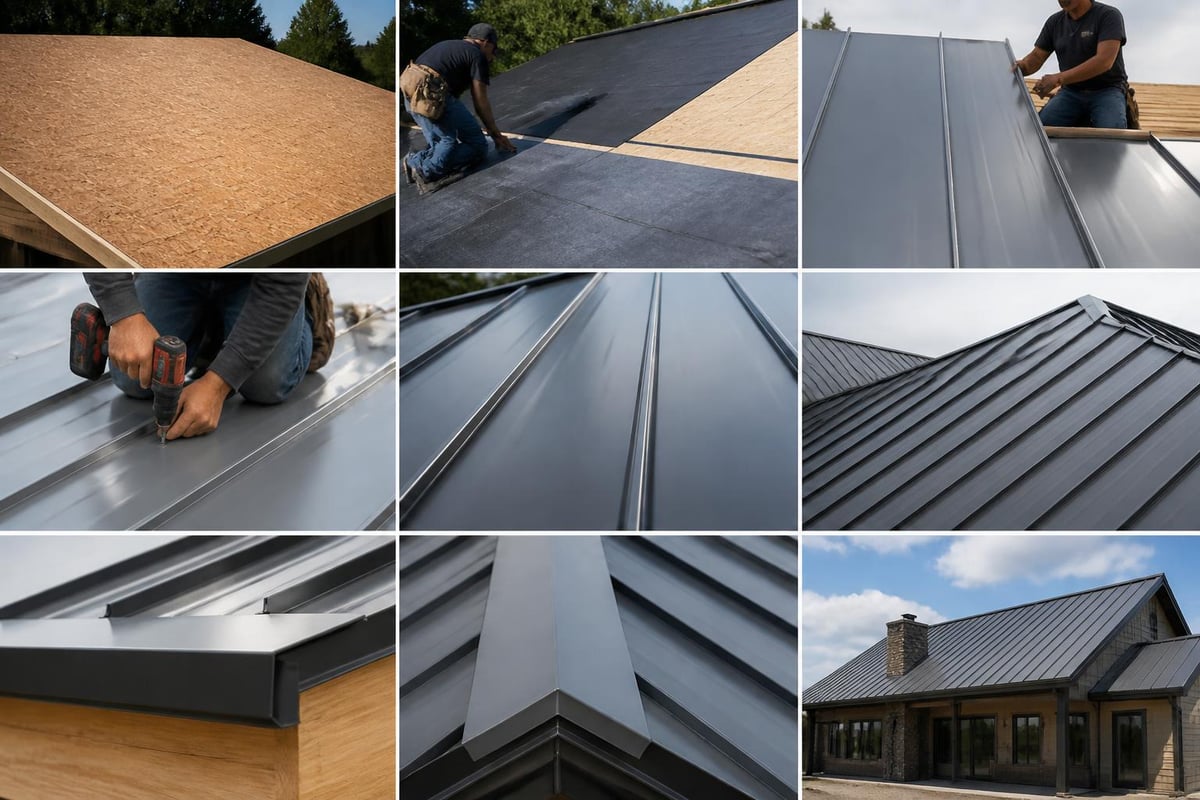
The installation sequence follows a precise pattern that ensures proper water management and structural integrity:
- Underlayment application: High-temperature synthetic underlayment protects against ice dams and provides secondary water resistance
- Trim and flashing installation: Custom-fabricated edge trim, valley flashing, and penetration boots installed before panels
- Panel alignment and fastening: Panels positioned with proper overlap and fastened according to manufacturer specifications
- Seam engagement: Standing seam panels mechanically seamed using specialized equipment for watertight connections
- Ridge cap and finishing: Final trim pieces installed to complete weather-tight envelope
Thermal movement accommodation requires specific fastening patterns and techniques. Metal expands and contracts significantly with temperature changes, and fasteners must allow this movement while maintaining secure attachment. Rigid fastening leads to panel buckling, seam failure, and premature system degradation.
For property owners working with insurance claims after storm damage, companies like Texcore Construction provide detailed documentation and scope of work development that helps supporting your insurance claim with thorough documentation and minimize out-of-pocket costs.
Cost Analysis and Budget Planning
Sheet metal roofing near me searches often reveal significant price variations among contractors. Understanding cost components helps identify fair pricing versus low-ball estimates that sacrifice quality or exclude necessary work.
Material costs fluctuate based on metal type, gauge thickness, panel profile, and finish options. Steel roofing generally ranges from $4 to $8 per square foot for materials, while premium options like copper can exceed $15 per square foot. These prices reflect raw materials only, not installation labor or additional components.
Complete Project Cost Breakdown
| Cost Component | Percentage of Total | Notes |
|---|---|---|
| Metal panels and trim | 40-50% | Varies by material selection |
| Labor and installation | 30-40% | Includes crew, equipment, supervision |
| Underlayment and deck repair | 10-15% | Depends on existing condition |
| Removal and disposal | 5-10% | If tear-off required |
| Permits and fees | 2-5% | Local jurisdiction requirements |
Hidden costs often emerge during projects when contractors discover unexpected deck damage, inadequate ventilation, or structural deficiencies that require correction before metal installation. Experienced contractors identify these issues during initial inspections and include contingency allowances in their estimates.
The investment value of metal roofs extends beyond initial installation costs. Reduced cooling expenses, minimal maintenance requirements, and extended lifespan make metal roofing economically competitive with traditional materials over the roof's lifetime.
Energy Efficiency and Environmental Benefits
Property owners increasingly prioritize energy performance when searching for sheet metal roofing near me. Metal roofing delivers measurable energy savings through reflective properties that reduce heat absorption and lower cooling costs during hot Texas summers.
Cool roof technology incorporates special pigmented coatings that reflect solar radiation rather than absorbing it. Standard asphalt shingles can reach surface temperatures exceeding 170°F on summer days, while reflective metal roofing typically stays 50-60°F cooler under identical conditions. This temperature reduction translates directly to lower attic temperatures and reduced air conditioning loads.
Sustainability Advantages
- Recycled content: Most metal roofing contains 25-95% recycled material
- Complete recyclability: Metal roofs can be fully recycled at end of service life
- Longevity: 50+ year lifespans reduce replacement frequency and construction waste
- Energy reduction: Lower cooling costs decrease fossil fuel consumption
Metal roofing’s energy savings potential varies based on color selection, panel profile, and installation details. Light-colored finishes provide maximum solar reflectance, while darker colors absorb more heat but may better suit aesthetic preferences or HOA requirements.
The environmental impact of metal roofing extends beyond energy performance to include reduced urban heat island effects, improved stormwater management, and sustainable material sourcing. These factors increasingly influence commercial property decisions where LEED certification or green building standards apply.
Maintenance Requirements and Long-Term Performance
Despite metal roofing's reputation for low maintenance, proper care ensures systems reach their full lifespan potential. Understanding maintenance needs helps property owners budget appropriately and schedule routine inspections.
Annual inspections should examine fasteners, seams, flashing details, and coating condition. Exposed fastener systems require periodic tightening as thermal cycling loosens connections over time. Standing seam systems need inspection of seam integrity and clip attachment, though issues occur less frequently.
Maintenance Schedule Recommendations
- Annual visual inspection: Check for loose panels, damaged coating, debris accumulation
- Semi-annual gutter cleaning: Prevent water backup and ice dam formation
- Bi-annual fastener inspection: Tighten exposed fasteners as needed (exposed fastener systems)
- Five-year professional assessment: Detailed inspection by qualified metal roofing contractor
- Twenty-year coating evaluation: Assess need for recoating to extend service life
Storm damage assessment becomes particularly important after severe weather events. Hail can dent panels, high winds may loosen seams or fasteners, and falling debris can puncture or crease metal surfaces. Prompt repairs prevent small issues from escalating into significant water intrusion problems. For businesses requiring commercial roof repairs after storm events, working with contractors experienced in metal systems ensures proper repair techniques that maintain warranty coverage.
The pros and cons of sheet metal roofing include consideration of maintenance accessibility. Complex roof geometries with multiple penetrations, valleys, and dormers require more frequent inspection and maintenance than simple gable or hip roof designs.
Weather Performance in Local Conditions
Fort Worth's weather patterns create specific challenges that sheet metal roofing addresses effectively. Understanding how metal systems perform during extreme weather helps property owners set appropriate expectations and appreciate the value of quality installation.
Wind resistance represents a critical performance metric. Properly installed standing seam systems can withstand winds exceeding 120 mph without failure. The interlocking seam design and concealed fastening system create continuous attachment that distributes wind loads across the entire roof rather than concentrating stress at individual fastener points.
Storm Performance Characteristics
Hail resistance varies by metal type, gauge thickness, and panel profile. Thicker gauge metals (22-24 gauge) resist denting better than thinner alternatives, though even dented panels continue providing complete weather protection. Stone-coated steel systems show dent marks less obviously than smooth finishes due to their textured surface.
Thermal cycling tolerance allows metal roofing to expand and contract through Texas temperature swings without degrading. Summer roof surface temperatures can exceed 160°F, while winter nights may drop below freezing. Metal roofing systems accommodate this movement through proper fastening techniques and expansion details that prevent panel buckling or fastener withdrawal.
Lightning strike considerations often arise when discussing metal roofing. While metal roofs don't attract lightning, they safely conduct electrical current to the ground if struck, reducing fire risk compared to combustible roofing materials. Proper grounding ensures safe electrical dissipation.
Warranty Coverage and Protection Plans
Understanding warranty terms proves essential when investing in sheet metal roofing. Most installations include both manufacturer material warranties and contractor labor warranties, each covering different potential issues.
Manufacturer warranties typically cover coating degradation, panel perforation, and material defects. Premium finishes may include 40-year fade and chalk warranties, while structural warranties guarantee against panel perforation for 50 years or longer. These warranties often include specific maintenance requirements and installation standards that void coverage if not followed.
| Warranty Type | Typical Coverage | Duration | Common Exclusions |
|---|---|---|---|
| Coating/Finish | Fade and chalk resistance | 25-40 years | Coastal installations, pollution |
| Panel Perforation | Rust-through protection | 30-50 years | Dissimilar metal contact, damage |
| Labor | Installation defects | 1-10 years | Storm damage, maintenance neglect |
| Weathertightness | Leak-free performance | 2-25 years | Improper maintenance, alterations |
Labor warranties from contractors cover installation defects, leak repairs, and workmanship issues. Quality contractors offer minimum five-year labor warranties, with some extending to 10 years or more for premium installations. These warranties should specify response times for leak claims and clearly define covered versus excluded conditions.
Transferability affects property resale value. Many manufacturer warranties transfer to subsequent owners with simple notification, maintaining the roof's value proposition for potential buyers. Labor warranties may or may not transfer depending on contractor policy, making this an important consideration when selecting a roofing company.
Making the Final Decision on Local Contractors
After researching sheet metal roofing near me and identifying potential contractors, the final selection requires careful evaluation of proposals, communication quality, and overall professionalism. The cheapest bid rarely delivers the best value, while the highest price doesn't guarantee superior quality.
Written proposals should include detailed specifications for every component: exact metal type and gauge, finish manufacturer and color, underlayment brand and weight, fastener type and spacing, trim profile, and ventilation components. Vague descriptions like "standard metal roofing" or "contractor-grade materials" indicate insufficient planning and increase the likelihood of disputes or disappointments.
Red Flags in Contractor Selection
- Pressure for immediate deposit or decision
- Unwillingness to provide references or proof of insurance
- Significant price variations from other comparable estimates
- Inability to explain material choices or installation methods
- Poor communication or difficulty scheduling appointments
- No physical business address or local presence
Timeline expectations should reflect realistic scheduling based on weather, material lead times, and crew availability. Be wary of contractors who promise immediate starts unless they maintain dedicated crews and material inventory. Quality installations require proper planning, material ordering, and crew scheduling rather than rushed execution.
Communication protocols established during the estimate process typically continue throughout the project. Contractors who respond promptly to questions, provide clear explanations, and document discussions professionally usually deliver projects matching those same standards. Those difficult to reach or vague in responses often create frustration during actual construction.
Sheet metal roofing delivers exceptional performance, longevity, and value for Fort Worth property owners willing to invest in quality materials and professional installation. Selecting the right local contractor ensures your metal roof achieves its full potential while avoiding common installation pitfalls that compromise performance. Texcore Construction brings specialized metal roofing expertise, in-house crews, and transparent communication to every project, backed by detailed documentation and a five-year labor warranty that protects your investment for years to come.